Turkey
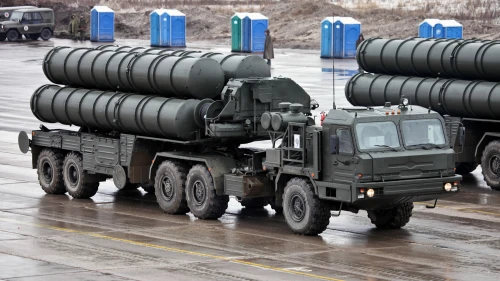
The United States has already blocked its sale of the F-35 in response to Turkey’s plan to receive the S-400.
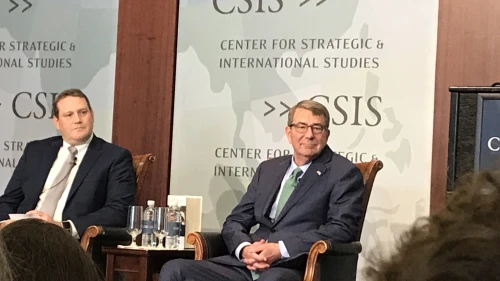
“The president hasn’t shown a lot of inclination to put himself on a very risky course with respect to Iran,” said former U.S. Defense Secretary Ash Carter. But “I do worry about us getting into a tangle because we’re so wound up.”

Acting U.S. Defense Secretary Patrick Shanahan told his Turkish counterpart in a June 6 letter that the pilots must leave the United States by July 31, and that training for new students will be halted.
“This shouldn’t surprise anyone following the Turkish purchase of the Russian defense systems,” said Diliman Abdulkader, director of the Kurdish Project at the Endowment for Middle East Truth. “The U.S. warned Turkey time and time again to cancel the purchase and abide by its NATO obligations. Turkey is choosing to play hardball.”

The growing standoff between Turkey and Cyprus over energy resources in the Eastern Mediterranean runs the risk of turning into a regional conflict.
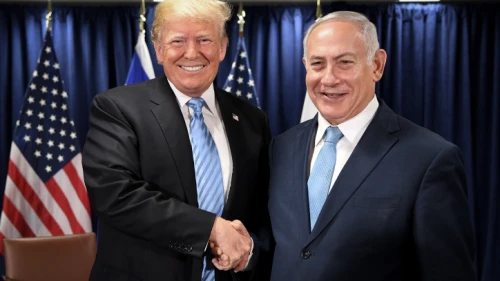
U.S. President Donald Trump told reporters that while the results have yet to be final, “it looks like Bibi has won that race … I think we’ll see some pretty good action in terms of peace.”

A man threw a Molotov cocktail onto the sidewalk outside Beth Israel Synagogue; no damage was reported.
An F-35 jet meant for Turkey was sent to Luke Air Force base in Arizona, where Turkish pilots will be trained. Another is on the way.
The United States has halted all F-35 aircraft shipments to Turkey, announced the Pentagon, due to the latter planning to acquire a Russian missile-defense system.
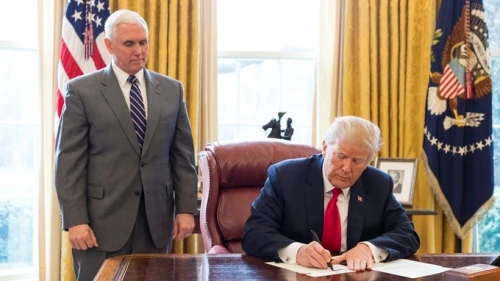
“At this point, [Turkish President Recep Tayyip] Erdoğan seems to be strongly committed to his deepening partnership with [Russian President Vladimir] Putin, and is unlikely to be swayed by Washington’s positive or negative incentives.”

The particular motive behind this Turkish clandestine interference has been assisting militant groups belonging to the Muslim Brotherhood and other radical organizations to destabilize political rivals.
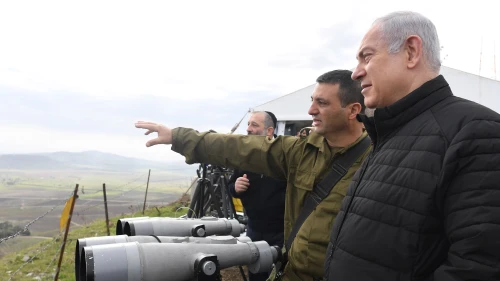
The Arab Spring period featured large-scale civil wars, uprisings and the involvement of external elements in failed states, as old orders fell apart. But new developments depict a different scenario, according to an ex-senior intelligence officer.