Newsletter
Newsletter Support JNS

US criticizes European court ruling requiring labeling of certain products

“Circumstances surrounding the labeling requirement in the specific facts presented to the court are suggestive of anti-Israel bias,” said U.S. State Department spokesperson Morgan Ortagus.

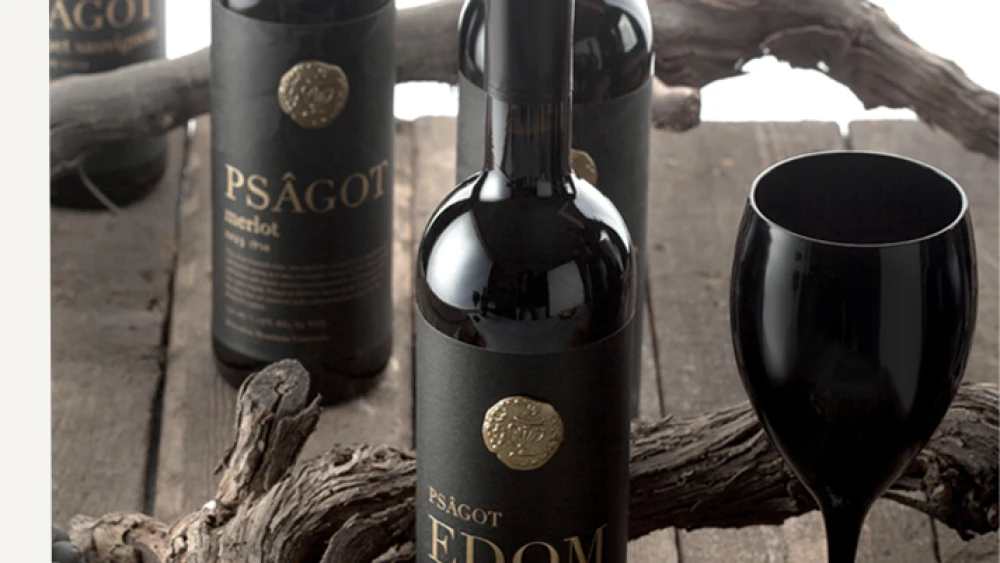
Psagot Winery lables. Credit: Psagotwines.com.

The United States on Wednesday faulted the Tuesday ruling by the European Court of Justice that disallows products coming from the West Bank, eastern Jerusalem and the Golan Heights to be labeled “made in Israel.”

Specifically, it noted the Psagot Winery case.

“The United States is deeply concerned by the E.U. requirement identified in the decision issued yesterday by the Court of Justice of the European Union (CJEU) in the Psagot Case,” said U.S. State Department spokesperson Morgan Ortagus. “The circumstances surrounding the labeling requirement in the specific facts presented to the court are suggestive of anti-Israel bias.”

“This requirement serves only to encourage, facilitate and promote BDS against Israel,” she continued. “The United States unequivocally opposes any effort to engage in BDS, or to otherwise economically pressure, isolate or otherwise delegitimize Israel.”

She added that the path towards resolving the Israel-Palestinian conflict is “through direct negotiations. America stands with Israel against efforts to economically pressure, isolate or delegitimize it.”

Jewish and pro-Israel groups slammed the court’s decision.

The former U.N. ambassador and senior Likud member said he is focused on “significant decisions.”
Police suspect that the tunnel was recently excavated with the intention of carrying out terror attacks and the smuggling of Palestinians into Israel.
The former manager of Green Technology Investments allegedly shared confidential information and software with an associate connected to a competing company in Taiwan.
The former IDF officer and public diplomacy strategist will serve under National Public Diplomacy Directorate head Tzipi Hotovely.
The Israeli prime minister called the ordeal “10 years of hell.”
The Islamic Republic forced Washington to “retreat both on the battlefield and at the negotiating table,” said Mohammad Bagher Ghalibaf.
Benny Gantz, JNS editor-in-chief Jonathan S. Tobin, Gilad Erdan, Mosab Hassan Yousef, Nissim Black and leading voices in security, diplomacy, media, law and Jewish communal affairs headline the summit’s third day in Jerusalem.

