The Trump administration criticized the controversial extension of the tenure of an antisemitic United Nations official.
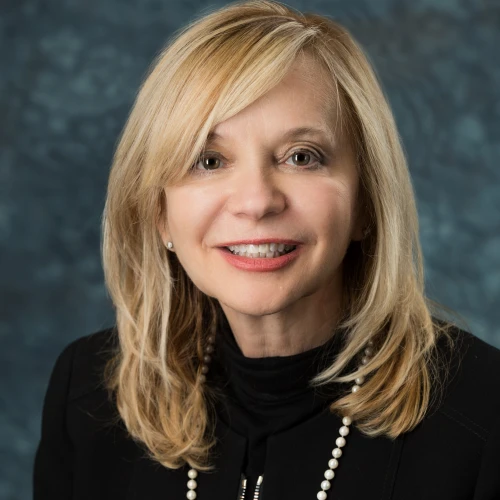
The U.S. Mission to the United Nations “continues to strongly denounce” the tenure of Francesca Albanese, the U.N. special rapporteur for Palestinian rights, whose term was extended by three years in an opaque process earlier this month under the auspices of the U.N. Human Rights Council, Washington said on Tuesday.
A vocal critic of Israel with a documented history of antisemitic remarks, Albanese will remain in her position through 2028.
Her reappointment was confirmed during a council session in Geneva on April 4.
“The Human Rights Council’s support for Ms. Albanese offers yet another example of why President Trump ordered the United States to cease all participation in the HRC,” the U.S. mission stated.
“Ms. Albanese’s actions also make clear the United Nations tolerates antisemitic hatred, bias against Israel and the legitimization of terrorism,” it added.
Albanese has repeatedly made inflammatory statements about Israel and the Jewish people, drawing widespread condemnation. She has referred to Israel’s actions in Gaza as “genocide” and has called for Israel’s suspension from the United Nations.
She has also been accused of echoing Hamas propaganda and promoting antisemitic conspiracy theories.
Governments, including those of the United States, Canada, France, Germany and Israel, have expressed serious concerns over her rhetoric and conduct.
In a previous letter to U.N. Secretary-General António Guterres, the U.S. Mission to the United Nations stated that Albanese “demonizes Israel and supports Hamas” and that she was “unfit for her role.”
The council declined to take up the complaints, allowing her to remain in office.
Earlier this month, the U.S. State Department censured the Human Rights Council for a series of anti-Israel actions.
The council passed its annual Israel-focused Agenda Item 7 resolution, along with a resolution calling for an Israeli arms embargo, plus the Albanese extension, all within a matter of days.
The council “consistently demonstrates virulently antisemitic bias against Israel, targeting it unfairly and disproportionately in council proceedings, through the Commission of Inquiry, and by its appointment of Special Rapporteur Francesca Albanese,” a State Department spokesperson told JNS.