As families across Israel prepare for Chanukah, Jewish philanthropists Debbie and Michael Flacks have announced a matching campaign of $3 million for Colel Chabad, the oldest continuously operating charity network in Israel. Every donation made through Chanukah will be matched dollar-for-dollar by the Flacks Family Foundation, doubling the impact of every gift during the “Festival of Lights.”
“We view tzedakah as a ‘team sport’ or a group effort,” said Debbie Flacks. “Our gift is a matching contribution because we want to encourage others to give during this crucial time for those in need across Israel.”
Colel Chabad is the oldest continuously operating charity network in Israel, in operation since 1788. Since its inception, it has provided aid for those suffering from poverty, illness or disaster-related destruction. Post-Oct. 7, the organization has been a critical lifeline for those displaced by the war, as well as widows, orphans and others who lost loved ones due to war and terrorism.
“At this fraught time for Israel and the Jewish people, rather than simply returning to pre-war operations, Colel Chabad is committed to expanding our services going forward,” said Rabbi Zalman Duchman, development director of Colel Chabad. “We are not going back to our baseline; we are ramping up our capacity to help people in need.”
This forward momentum is exemplified by the Flacks Chesed Tower, a 44,000-square-foot, 10-story center in the heart of Jerusalem, also sponsored by the Flacks family. Just steps from the vibrant Machane Yehuda open-air market along Jaffa Street, the tower is currently under construction and will house a variety of charity programs, including an art studio for individuals with severe physical disabilities; a soup kitchen and day center for the elderly; a synagogue; a lone soldiers center; and affordable housing.
While Colel Chabad serves communities throughout the year, their Chanukah programs include:
• Gifts for Orphaned Children: Providing toys and moments of joy to children who have lost a parent
• Chanukah Widows and Orphans Retreat: A three-day respite offering meals, activities, and community connection for widows and their children
• Gifts for Hospitalized Children: Bringing light to brave children facing illness with toys, treats and holiday cheer
• Holiday Food Security: Ensuring families have the means to celebrate through soup kitchens, household groceries, Meals-on-Wheels and special holiday provisions
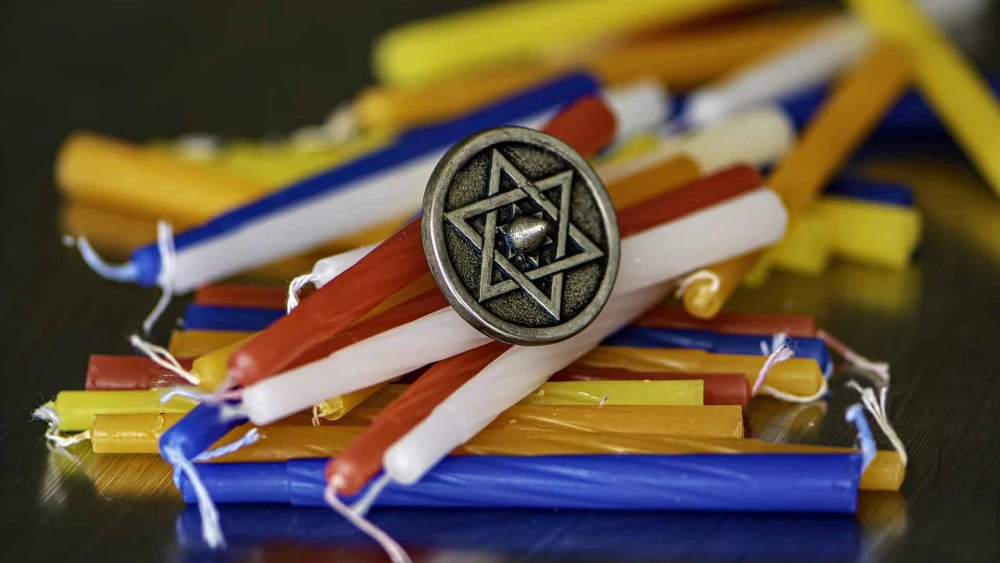
“Chanukah is a story of the victory of light over darkness, and celebrates the resilience of the Jewish people,” noted Rabbi Sholom Duchman, executive director of Colel Chabad. “In the spirit of Chanukah, we invite everyone to increase their acts of goodness and kindness, and spread light to those who need it.”
Donations to Colel Chabad made through Chanukah 2025 will be matched dollar-for-dollar by the Flacks Family Foundation, up to $3 million. Visit: www.colelchabad.org.