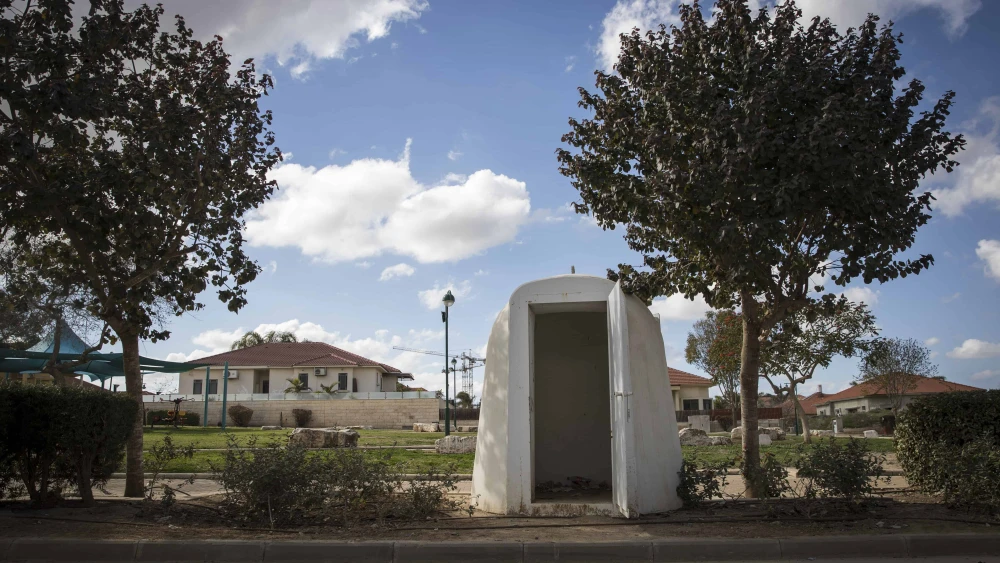
As the security situation in Israel continues to escalate, forcing thousands of families into reinforced rooms and public shelters at all hours, ELI-Israel Association for Child Protection is issuing critical guidance to help parents safeguard their children’s emotional and physical well-being.
Eran Zimrin, CEO of ELI, reports that while Israeli children are showing profound resilience, the cumulative stress of the current conflict is creating significant psychological strain. With families frequently awakened in the early-morning hours to seek safety, the organization warns that even normal routines are now veiled with potential trauma.
A primary focus of the new guidelines is the maintenance of “balanced safety” within the home. ELI emphasizes that parental presence is the most vital tool for child stabilization. By remaining physically present and projecting a sense of calm, parents signal to their children that the situation is being managed by capable adults. This emotional mirroring is essential, as children instinctively adopt the anxiety levels of the caregivers around them.
In addition to emotional regulation, ELI advises parents to actively mediate the sensory experiences of war. When loud explosions or interceptions occur, providing confident, age-appropriate explanations, such as identifying the sound as an Iron Dome interceptor, helps children frame the noise as a sign of protection rather than an abstract threat. This proactive communication assists in preventing the onset of acute stress disorders.
The organization also highlights the risks associated with shared living spaces. During periods of prolonged stays in safe rooms or public shelters, the healthy boundaries between family members and neighbors often become blurred. ELI urges parents to remain vigilant regarding physical boundaries and the “separateness” of family members, ensuring that the pressure of the crisis does not lead to lapses in child safety or privacy.
For those utilizing public shelters, ELI notes that the risk of hidden abuse can increase when victims are forced into confined spaces with potential perpetrators.
The organization encourages the community to “open their eyes and ears” to signs of distress that may be overshadowed by the broader national emergency. The trauma of the current war follows closely on the heels of the pandemic and previous conflicts, leaving many children with a diminished capacity to cope with further stress.
“Our mission since 1979 has been to break the silence surrounding child abuse,” said Zimrin. “In times of war, that silence can become even deeper as people focus solely on external threats. We must ensure that our children’s internal safety remains a national priority.”