Newsletter
Newsletter Support JNS

Jihadists say killing of UN peacekeepers from Chad retribution for ties with Israel

An attack by an Islamic terror group killed 10 U.N. peacekeepers from Chad and wounded at least 25 others in Mali on Sunday in what the attackers said was a response to Chadian President Idriss Déby’s renewed diplomatic relations with the Jewish state.

Chad's President Idriss Déby during a visit at the Yad Vashem Holocaust memorial museum in Jerusalem on Nov. 26, 2018. Photo by Yonatan SIndel/Flash90.
Chad’s President Idriss Déby during a visit at the Yad Vashem Holocaust memorial museum in Jerusalem on Nov. 26, 2018. Photo by Yonatan SIndel/Flash90.

A major attack by an Islamic terror group killed 10 U.N. peacekeepers from Chad and wounded at least 25 others in Mali on Sunday in what the attackers said was a response to Chadian President Idriss Déby’s renewed diplomatic relations with the Jewish state.

Israeli Prime Minister Benjamin Netanyahu arrived in Chad on Sunday, formally rebooting the diplomatic ties which had been severed in 1972.

Assailants in armed vehicles from the Al-Qaeda-linked Nusrat al-Islam wal Muslimeen group arrived at the U.N. peacekeeping mission in Mali and attacked.

While peacekeepers succeeded in pushing the jihadists back, numerous casualties were reported.

U.N. peacekeepers are present in Mali to ward of jihadist and separatist attacks, but have only proved to be moderately successful in recent years.
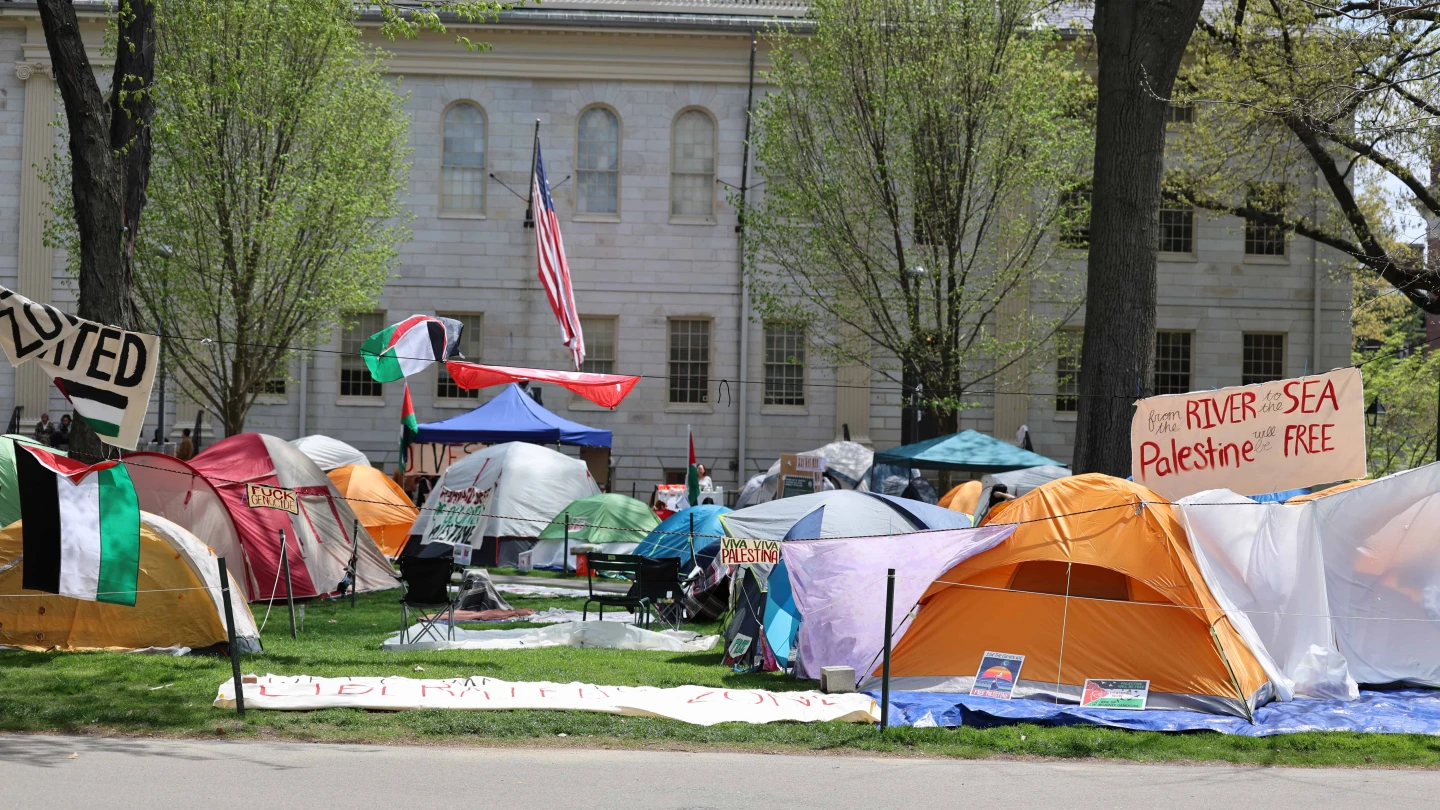
“This political environment could discourage congressional committee staff and federal agency personnel from pursuing investigations or enforcement actions involving antisemitism,” Karen Paikin Barall of the Brandeis Center told JNS.
The Nachala Movement says 1,500 families are waiting to move into the Strip, as supporters call for the renewal of communities dismantled in 2005.
Q&A
In a wide-ranging pre-election interview with JNS, Israeli Prime Minister Benjamin Netanyahu discusses his alliance with U.S. President Donald Trump; the necessity to act against Iran; expand the Abraham Accords; tackle domestic challenges, including reintroducing judicial reforms; and further strengthening the Israeli economy.
The U.S. envoy also said antisemitism “didn’t exist” during his upbringing and warned of an unintended clash between Israel and Turkey.