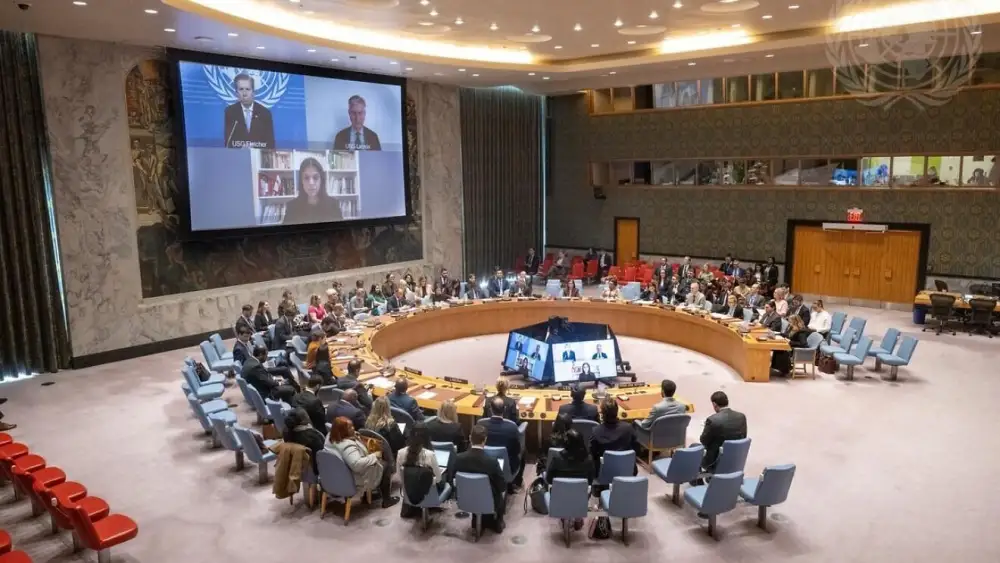
The 15-member United Nations Security Council on Wednesday condemned Iran’s “egregious attacks” against its neighbors by a vote of 13 in favor with none against. China and Russia abstained.
The Council strongly condemned Iran’s attacks on Bahrain, Kuwait, Oman, Qatar, Saudi Arabia, the United Arab Emirates and Jordan, expressing firm support for those countries’ sovereignty, territorial integrity and political independence.
It specifically denounced strikes on residential areas and civilian infrastructure, demanding they stop immediately. The Council also called on Iran to cease its threats, provocations, maritime trade interference and support for proxy groups in the region.
Bahrain, which this week suffered Iranian attacks that killed one and injured at least 38, introduced the resolution.
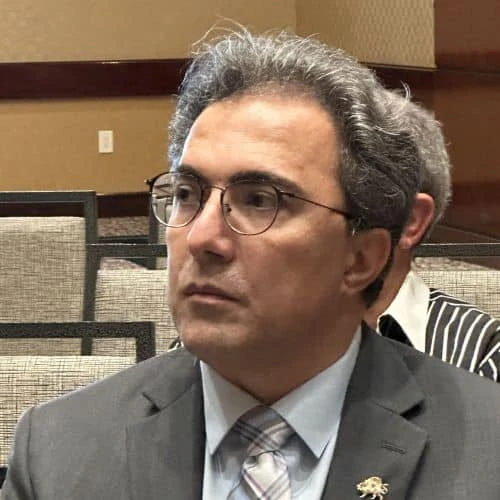
“The message is clear,” said Bahrain’s representative, Ambassador
Jamal Al-Ruwaie, according to a U.N. statement. “The international community is resolute in rejecting these Iranian unjust, hostile acts that are targeting sovereign countries and that threaten the stability of their peoples.”
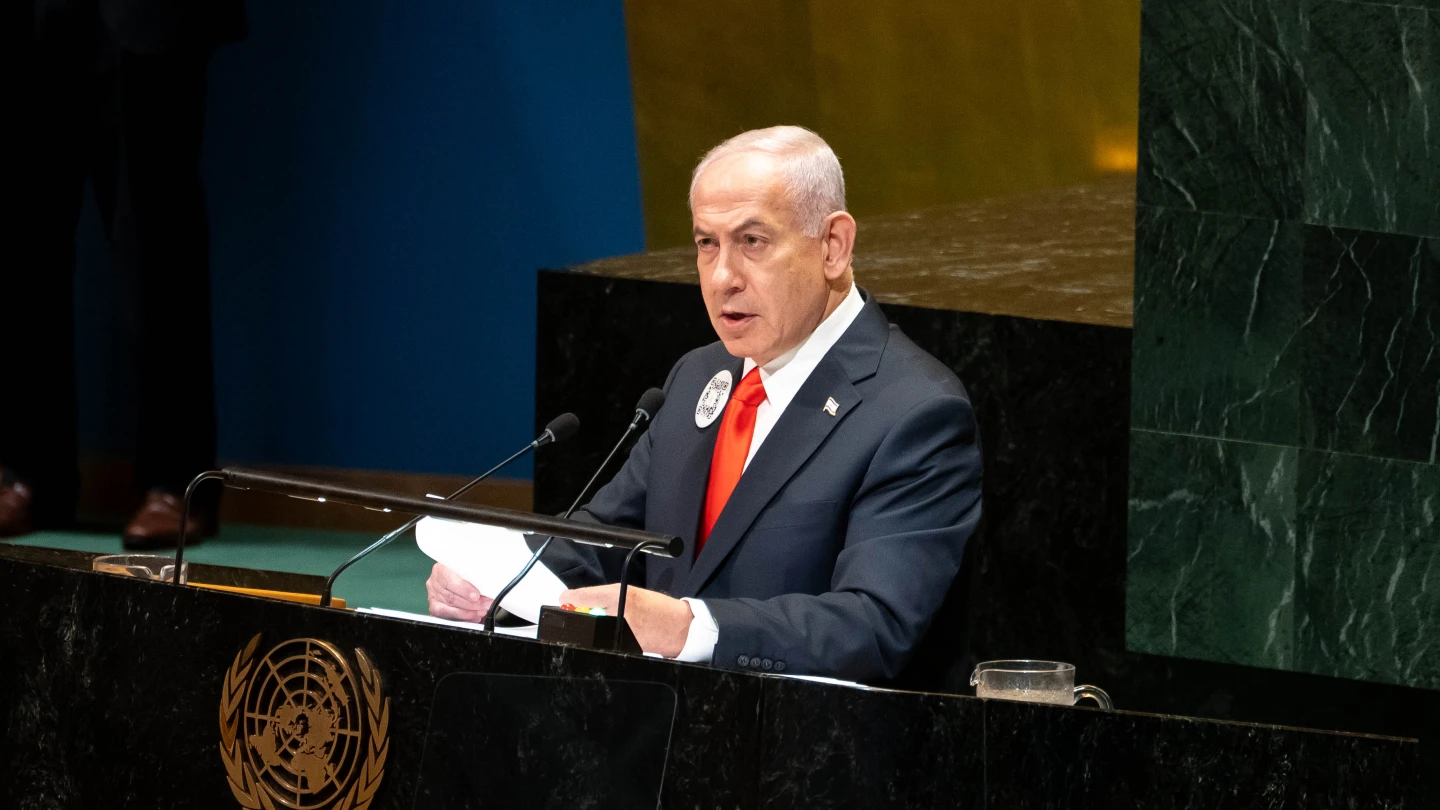
Israeli Ambassador to the U.N. Danny Danon also welcomed the
Council’s resolution. “Targeting civilians is wrong, targeting cities is wrong, and Iran must stop,” he said. Iran used diplomacy as cover while it “fortified” its nuclear program, Danon added. “Facilities were placed deep underground.”
Iran has fired hundreds of drones and missiles at Israel and neighboring countries in the Persian Gulf as the war nears the two-week mark. It has also launched drones and missiles at Cyprus, Azerbaijan and Turkey.
“Iran shoots in all directions,” said U.S. Ambassador to the U.N. Mike Waltz, serving as Council president this month.
A competing resolution, tabled by Russia was rejected because it adopted a “general tone” and included “nothing about the overwhelming responsibility borne by Iran in the current escalation.”
“To our deep regret, the resolution that just passed is expressed […] in a biased and one-sided tone,” said Moscow’s representative, Ambassador Vasily Nebenzya.
China’s representative, Ambassador Fu Cong, blamed Israel and the United States for starting hostilities and said they must halt their actions immediately.
In January, China, Russia and Iran signed a trilateral strategic pact to deepen military and economic cooperation and create a united front against U.S. efforts to curb Iran’s nuclear ambitions.