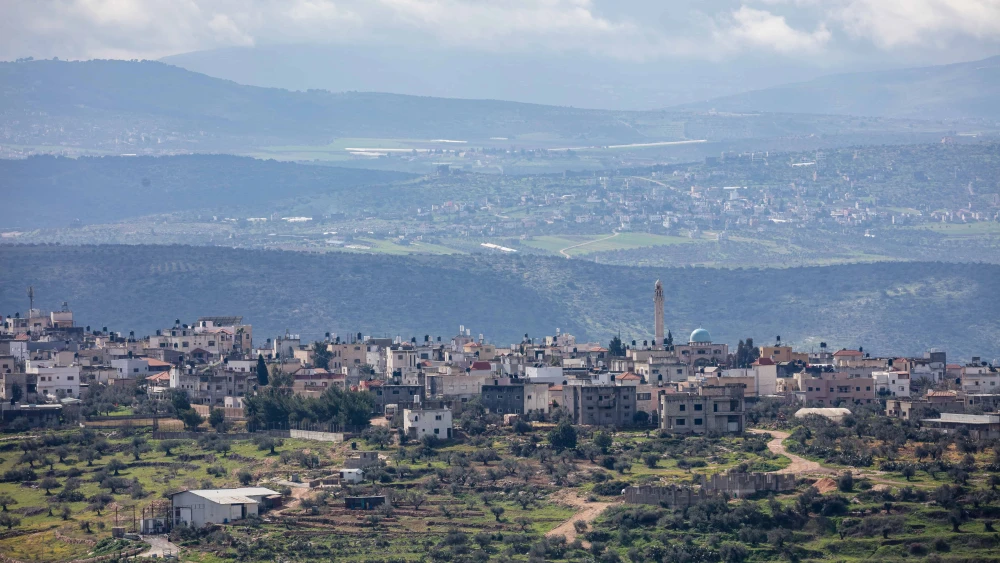
Some 250,000 Israelis living in communities along the Samaria security barrier are facing an escalating environmental and health emergency from Palestinian waste fires, Channel 12 News reported on Thursday.
Tens of thousands in Emek Hefer, Menashe and Shoham and nearby towns have reported sleepless nights, strong odors and respiratory issues, a Knesset Interior Committee hearing revealed on Wednesday.
At the meeting, residents shared testimony of nights when “you simply cannot breathe,” while government representatives blamed the lack of enforcement and insufficient infrastructure across Judea and Samaria.
“We are trapped inside our home because of the severe air pollution from waste burning beyond the Green Line. The children experience breathing difficulties, and some parents keep them home,” Talia, a resident of Shoham and mother of two, told Channel 12.
“Sealing the house creates humidity and mold, and people wake up at night from the infiltration of pollutants,” she added. “We even have to buy air purifiers with our own money. This is a reality combining immediate health danger with constant stress.”
Galit Shaul, head of the Hefer Valley Regional Council, told the Hebrew news broadcaster that she was considering legal action against the state.
The waste fires “harm quality of life and cause severe environmental and health damage,” the regional leader stated. “In addition to the fires, the Alexander River is polluted by large amounts of Palestinian sewage.”
After “a long struggle, the state allocated about 250 million shekels [$76 million] for a new purification facility, but the fires must stop,” she said.
Otzma Yehudit Party lawmaker Yitzhak Kroizer, who heads the Knesset Health Committee, during Wednesday’s hearing urged the government to immediately advance a plan to address the issue, which he described as “environmental terrorism.”
The Ministry of Environmental Protection said that while it was “deeply concerned” and had launched a strategic plan that includes the boosting of enforcement, the Defense Ministry has slow-walked the changes.
The major Israeli city of Modi’in, some 18 miles west of Jerusalem, has also been suffering from increased air pollution due to the repeated burning of waste by Palestinians, outlet Ynet reported on Nov. 3.
Nonprofit association Clean Air Israel registered 2,763 complaints of odor and smoke hazards in October, out of which 1,034 complaints (37%) came from residents of Modi’in, the Ynet report said.
Ynet reported that the mayor of Modi’in, Haim Bibas, had recently appealed to Israeli Defense Minister Israel Katz to take immediate action against the toxic waste fires in the Na’alin area of Samaria.
He called on Katz to instruct the Israel Defense Forces to act decisively to extinguish the fires and enforce Israeli law.