Newsletter
Newsletter Support JNS
Israel Kasnett

Israel Kasnett

Israel Kasnett, editor at the Jerusalem Center for Security and Foreign Affairs, offers expert analysis on Israeli politics, society and regional developments at JNS.org. With a deep understanding of the region, he delivers insightful commentary that challenges media bias and provides a clear perspective on Israel.

“There’s a growing awareness among Gulf states that Israel will be a good partner and ally for them to bolster regional security against the persistent Iranian threat,” says Varsha Koduvayur, a senior research analyst at the Foundation for Defense of Democracies in Washington, D.C.
Emily Landau, a senior research fellow at the Institute for National Security Studies, warns that America must stand firm and “not relent,” saying the Trump administration needs to understand how the regime can “twist things, making it seem there are concessions when there are absolutely no concessions at all.”
“The maximum pressure campaign is working,” said Mark Dubowitz, CEO of the Foundation for Defense of Democracies. “It’s always good to weaken your enemy—not strengthen them.” The question is whether Tehran will test that theory.
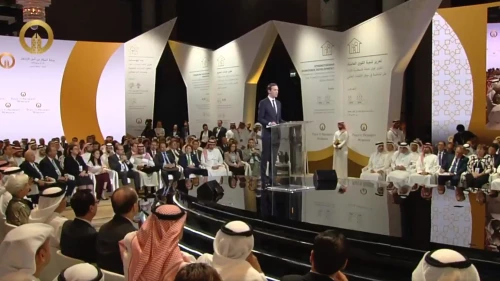
The Bahrain economic conference, which seeks to be the first step in the Trump administration’s efforts to bring peace between the Israelis and Palestinians, has been vilified by the Palestinians, who called the Trump plan “dead on arrival” and have boycotted the summit.
“This is a very detailed peace vision. You cannot have a successful peace agreement without a successful economic plan. We are worried about the days, weeks, months and years after,” stated U.S. special envoy to the Middle East Jason Greenblatt.
While the hope is that Tehran will be deterred from its ongoing aggression, some are warning that war could still erupt. And where does that leave Israel?
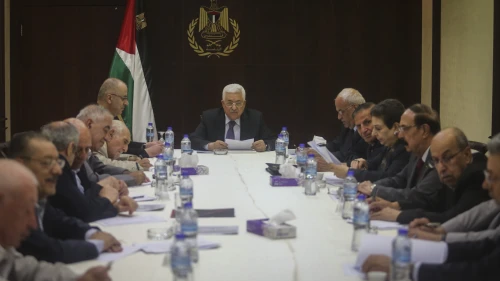
The general feeling in the United States and Israel at this point is that this plan is “dead on arrival,” especially since the Palestinian leadership has already rejected it out of hand and refused to attend the summit in Bahrain. Nevertheless, “Phase 1” is in motion.
This has nothing to do with ultra-Orthodox conscription and everything to do with legislation over immunity, according to Jonathan Rynhold, deputy head of the department of Political Studies at Bar-Ilan University.
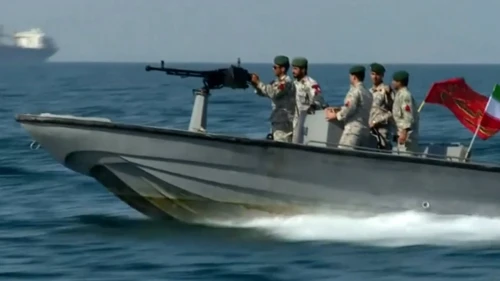
As sanctions cripple the Iranian economy and the Trump administration ends oil waivers for certain countries, Tehran is lashing back, including with threats of closing the Strait of Hormuz.
Jordan is wary of the Mideast peace plan expected to be presented by the White House in June, after the Muslim month of Ramadan.
“The IDF concept of using accurate intelligence for pinpoint airstrikes has proven deficient. A land incursion may be needed to convince Israel’s enemies that we are ready to pay a price in casualties in order to secure the well-being of our citizens,” said Efraim Inbar, president of the Jerusalem Institute for Strategy and Security.
Will the Palestinian Authority really continue to prioritize paying terrorist salaries over providing basic government services to its own people?