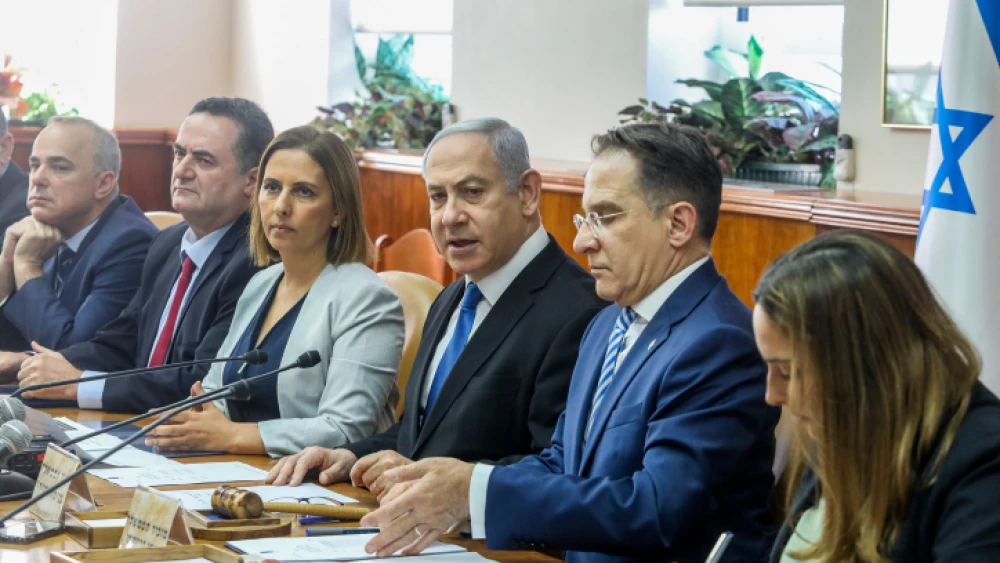
Israel’s Diplomatic Security Cabinet is set to debate on Sunday and review the details of a proposed long-term ceasefire with Hamas, the terrorist group that controls the Gaza Strip.
According to Channel 12 News, National Security Adviser Meir Ben-Shabbat will brief the ministers on the details of the possible arrangement.
Among the Israeli gestures to be discussed will be an increase in the number of permits granted to Gazans to enter Israel for trade purposes, an additional widening of the fishing zone off the Strip’s coast, which currently stands at 14 nautical miles (26 kilometers), advancing construction of a natural-gas pipeline and increased medical assistance for hospitals.
The cabinet will also debate new permits for Gaza workers to enter Israel, although the Shin Bet security agency is said to oppose the move over the potential security threat it could harbor.
Hamas official Suhail al-Hindi denied the report, telling Lebanon’s Al Mayadeen television station that “Israeli media reports about Israel easing measures for Gaza in exchange for Hamas ceasing fire of projectiles is not true.”
The ministers are also expected to debate a proposal by Defense Minister Naftali Bennett to cut a further 159 million shekels ($46 million) from tax funds Israel collected for the Palestinian Authority in 2018, over Ramallah’s payments to terrorists and their families.
The P.A.’s “pay-for-slay” scheme to pay terrorists sitting in Israeli prisons is a widely condemned practice that takes a growing cut of its budget—funded by donor countries in the West and the Arab world—every year.
Earlier this year, ministers approved cuts amounting to 502 million shekels ($145 million) in P.A. tax revenues, the amount Israeli officials said the P.A. paid out in stipends to terrorists and their families in 2018.
Bennett’s proposal is in accordance with the law passed last year that stipulates slashing tax transfers to the P.A. unless welfare payments to convicted terrorists and their families are stopped.
This article first appeared in Israel Hayom.