The Chief Rabbinate of Israel on Monday called on the public to pray for rain, in the first joint ruling issued since Kalman Ber and David Yosef were voted in as the country’s Ashkenazi and Sephardi chief rabbis, respectively.
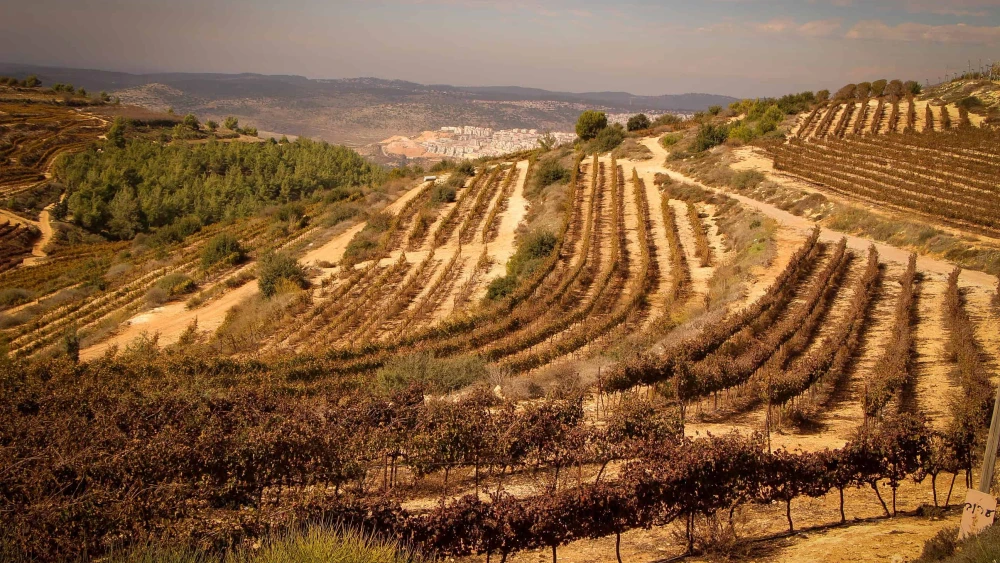
“We are in the midst of the month of Kislev and have not yet received the rains of blessing,” the rabbis wrote. “The people in the fields and crops of the land are desperate for water and, unfortunately, there is none.”
“We call on the public in every location to pray and beg Him who blesses the years to have mercy on His people and His land and answer us and rain down upon us dew and rain for blessing,” added Ber and Yosef.
According to their ruling, Sephardim will recite the prayer “God of life, open Thy heavenly treasures” on Shabbat, during the opening of the Torah ark, as well as on Mondays and Thursdays if this is possible for congregants.
Meanwhile, Ashkenazi Jews are called upon to add the words, “Answer us, Creator of the universe,” to the 16th blessing of the Amidah “Standing Prayer.”
Ber and Yosef also called upon all Jewish communities to continue the recitation of chapters of Psalms and the Acheinu (“Our Brothers”) prayer, which calls for the release of captives.
Ber, regarded as a moderate rabbi with many supporters from Orthodox-Zionist communities as well as haredi ones, was elected as chief rabbi on Oct. 31, in a run-off vote against a hardliner, Rabbi Micha Halevi.
Yosef, whose late father, Ovadia, co-founded the Shas Party and became its spiritual leader after serving as chief Sephardic rabbi for 11 years, was elected on Sept. 29 to succeed his older brother Yitzhak as the Sephardic chief rabbi.
The elections, which were initially expected to take place in spring, was repeatedly delayed because of a dispute involving the Chief Rabbinate, the Religious Services Ministry and the High Court of Justice.