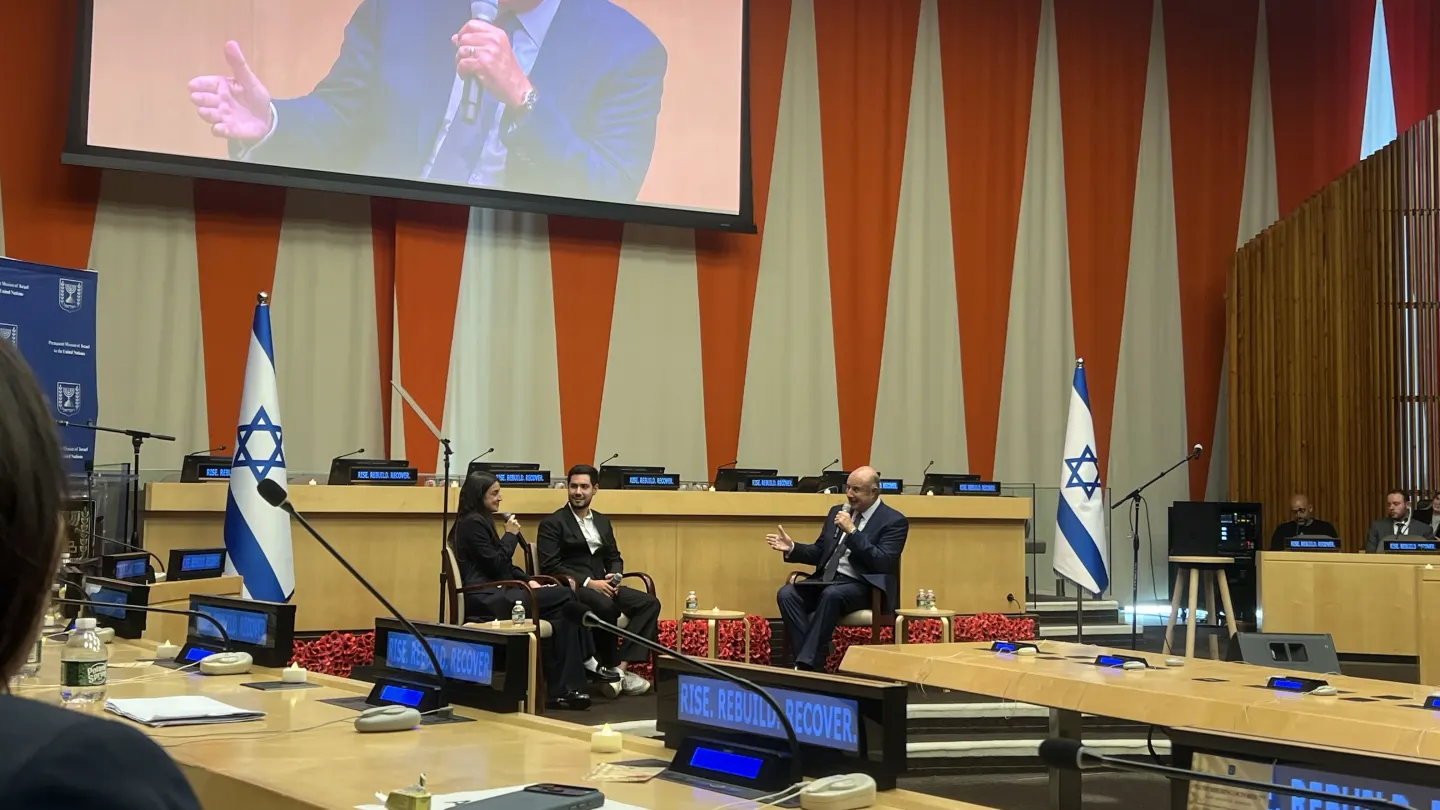
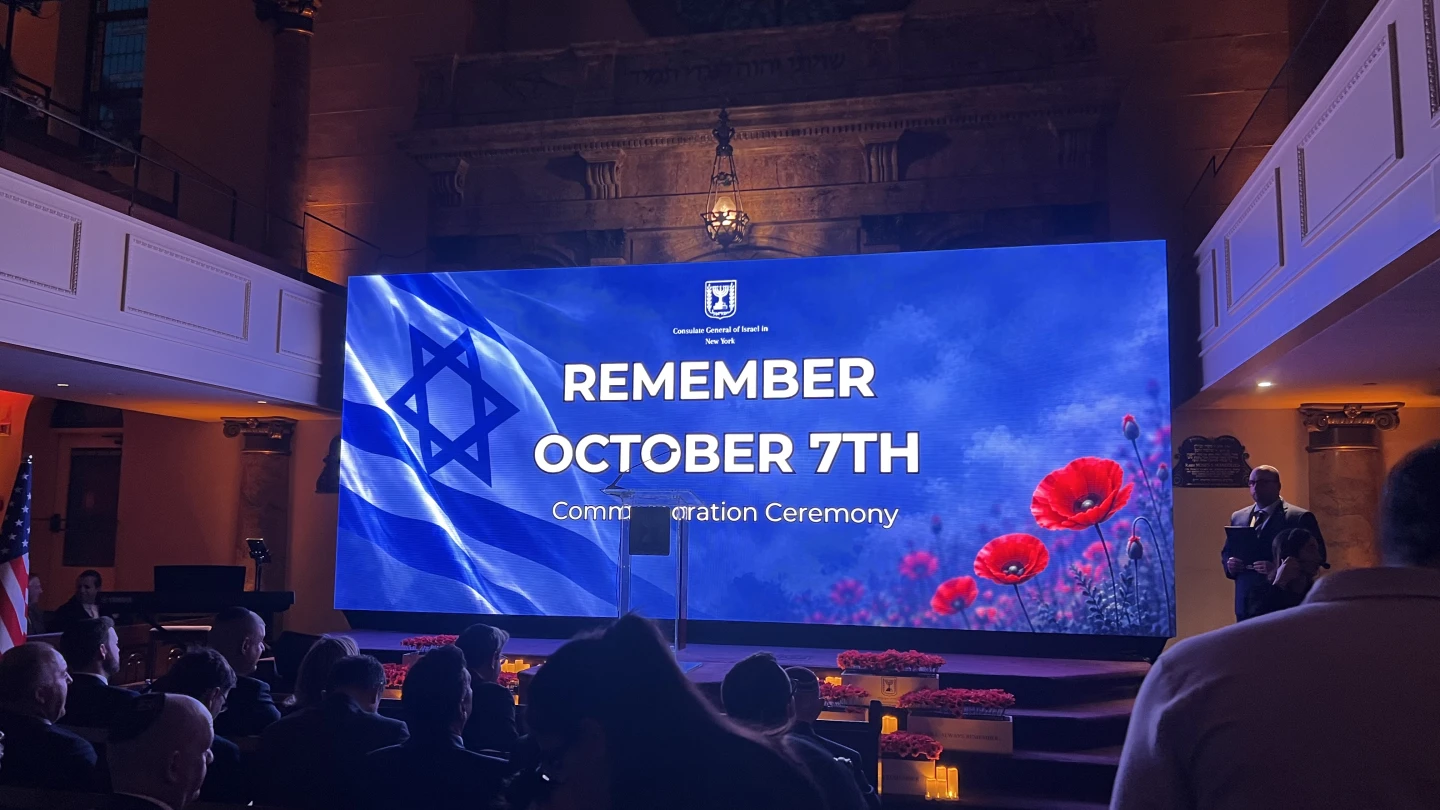
This week in the New York offices of the Conference of Presidents of Major American Jewish Organizations, we experienced something we will never forget. Former hostages walked through our doors, many accompanied by the family members who had only recently embraced them after they emerged from the tunnels of Gaza. They stood before us: present, breathing, still recovering, but standing before us with a courage that humbled us all.
For two years, we prayed for this moment without knowing if it would ever come. As we told them that afternoon, they never left our hearts. Not for a day. Not for an hour.
They saw how our community mobilized out of a commitment to human dignity, to the Jewish people and to the conviction that “never again” must mean something.
They stood in the offices where their families gathered with us during moments too heavy for words. They met Jewish leaders who carried their names into meetings with senators, ambassadors, and world leaders across the country and around the world. They entered the spaces where we strategized, pleaded, mourned and insisted that their plight remain central to the conscience of our nation. They learned about the rally of more than 300,000 people—the largest pro-Israel gathering in American history, where our community stood as one voice and refused to let the world forget them.
We shared meals. We cried. And when language felt too fragile, we blessed one another. As they had only been freed weeks ago, their families were still relearning the rhythm of life with them. To sit beside them felt overwhelming.
In those conversations, the former hostages trusted us with accounts of what they endured. They described deprivation, fear, brutality and the long hours in the darkness that stretched into weeks and then months. They also described faith, grit and the quiet resolve that carried them through hundreds of days underground. We watched their parents as they listened. We saw relief and love on their faces, set against the pain of hearing firsthand what their children survived. That tension filled the room.
Their families carried a different weight, and we want to honor it. For two years, these parents, spouses and children suspended their own lives. They stepped far outside their comfort zones. They became advocates—sometimes under intense scrutiny—to make sure that their loved ones were not lost amid shifting headlines and geopolitical noise. They briefed officials, stood on stages, traveled constantly and told their stories because they understood that silence could cost lives.
As emotional as the testimonies were, something else defined the day. We came expecting to hug them and thank them. Instead, they hugged us as tightly as we hugged them, and they thanked us as fully as we thanked them. In those shared embraces, we felt a release of emotional weight that had built over two long years. The moment made clear that we are closer as a Jewish people today than we were on Oct. 6. That nearness is real, lived and earned.
Our joy this week was real, but it was not complete. As we told the families, even as we rejoiced, we continue to pray and wait for the return of Ran Gvili, Dror Or and Sudthisak Rinthalak, whose bodies remain in Gaza. Their absence shadowed every moment.
Still, something sacred occurred. The presence of these former hostages affirmed that Jewish unity is not an aspiration. It is a responsibility. It is demanded of us at moments of deepest trial. Their return is a blessing. Their courage will remain with us. And the communal effort that sustained their families through advocacy, vigils, sleepless nights and relentless insistence on their humanity was an act of love that reached across oceans and generations.
When the families left our offices, the embraces lingered. So did the tears. What stayed with us most was a renewed and unshakeable sense of purpose. We told the former hostages and their families, out loud and without hesitation, that we pledge to stand with them as they recover and reintegrate into society. We were there for them yesterday. We are here for them today. And we will be here for them tomorrow.
Their resilience strengthens our resolve to confront rising antisemitism, the delegitimization of Israel, and the threats we face on the global stage. Their strength gives us renewed faith as we take on these challenges together, side by side, as one people. Moments like this remind us who we are and what we owe one another.
The American Jewish community will not rest until every hostage comes home. We will not allow fatigue or distraction to dull our determination. And we will not let the unity we built through pain and courage fade.