“I visited Turkey nearly 40 times. On Oct. 8, I felt unwelcome and it was probably the first time since I started traveling that I decided to hide my identity,” Avi Gold told JNS.
“There is a big amount of hatred there towards Israel from the people on the street,” he added.
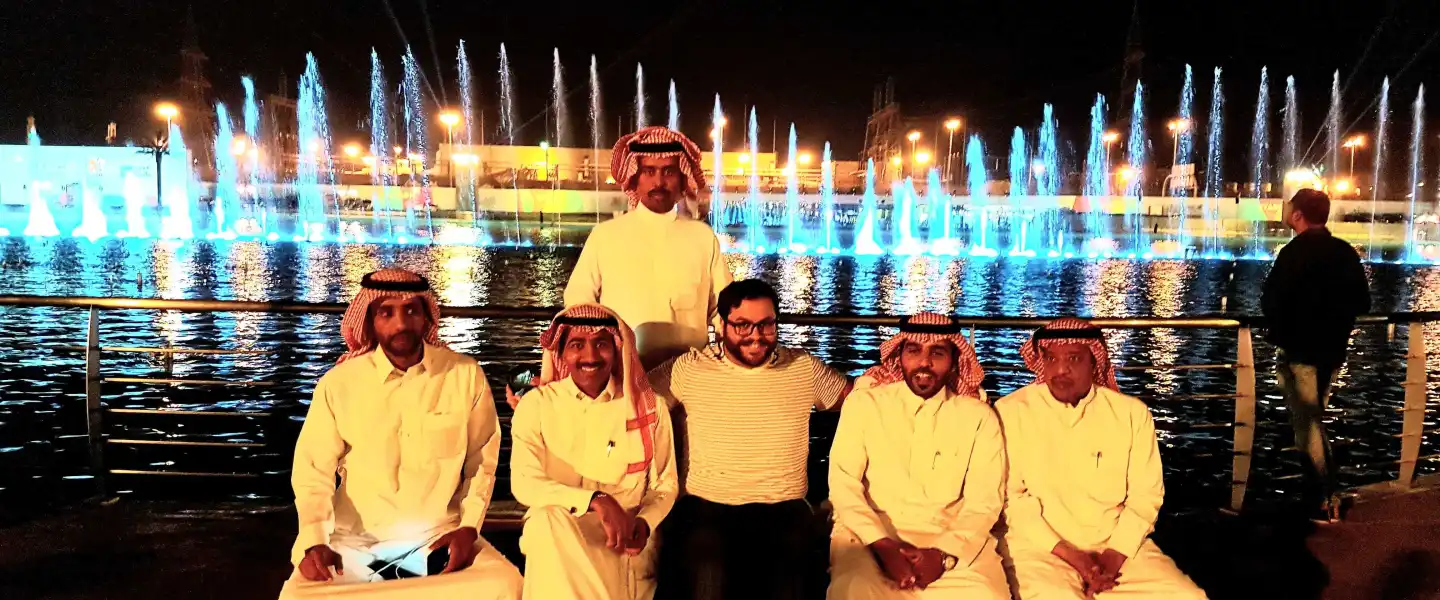
Fourteen years ago, Gold, an ultra-Orthodox Jew, made it his mission to visit every country in the world, including those with no diplomatic relations with Israel, such as Iraq, Pakistan, Saudi Arabia, Qatar, Somalia, Indonesia and Kuwait.

“Wherever I meet people, I always try to make sure they know that I’m Jewish and Israeli because I’m proud to be both. I put out positive vibes and that’s what I usually get in return” said Gold.
“I have payot [sidelocks] and I wear a kippah. So sometimes, I give off my identity before I even start talking,” he added.
Gold has visited 129 countries. He holds dual citizenship, allowing him to visit places that bar entry to Israelis, but asked that his other nationality not be disclosed.
Throughout his travels, he has had to contend with longstanding stereotypes, forcing him to become an unexpected advocate for Israel.
“There are still many people around the world who today believe that Jews are rich, control the world and have long noses,” explained Gold. “When I say I’m Jewish, I’m told I don’t have a Jewish face, and then I’m shown stereotypical pictures from Europe in 1940,” he said.
“Even though most people have access to information, they’re still being brainwashed. I could go to a coffee shop in an enemy country and meet somebody who tells me that Muslims are not allowed to enter Israel,” he continued. “Once I prove to them that a big portion of Israelis are Muslims, that they live like Jews, go to universities, shop at supermarkets—and that most pharmacists in Israel are Muslims and Arabs—they’re shocked. I open their minds and they realize that everything they hear in the media cannot be trusted.”
He told JNS that he felt in danger only once during his escapades, and that was 10 years ago while visiting Egypt. There, a group of people he met became hostile and even threatened to kill him when he told them he was Jewish. Gold said he addressed their misconceptions, ultimately proving them wrong and saving his life.
On Instagram, Gold shared pictures of himself in Iraq speaking Hebrew while visiting such historical sites as the grave of the prophet Ezekiel, sacred to Shia Muslims and Jews alike; the Meir Taweig Synagogue, the only Jewish house of worship still active in Baghdad; and a Jewish cemetery in the Iraqi capital, replete with cracked tombstones engraved in Hebrew and Aramaic.
An observant Jew, Gold has had to overcome many challenges during his journey.
“Obviously, I don’t always have access to Jewish communities wherever I go. But Shabbat is between you and God. If you decide to keep it, you can do it anywhere in the world, even in your hotel room,” he said. “When it comes to keeping kosher, I quickly realized that I would have to give up eating cooked food or meat. When I travel, I live off snacks and canned food because that’s easy to access. And if not, I will carry it in my luggage.”
‘They live freely’
Gold has become well known among fellow travelers and now rarely flies solo.
“Israelis can easily go to Amsterdam, London, Paris and New York. But many want to travel to conflict zones—countries that don’t have diplomatic relations with Israel or remote places in Africa, so they come with me,” Gold said. “Haredim make up 60%-70% of those who do,” he said.
More than the thrill of visiting forbidden places, Gold said that those who accompany him are passionate about traveling and that every Israeli has dreamed of visiting neighboring countries.
“Israelis want to see the other side of the border and get to know other cultures,” Gold said. “When the Abraham Accords were formalized, many flew to the UAE and Bahrain. The day Saudi Arabia makes peace with Israel, I can guarantee that flights to the kingdom will be fully booked.”
Gold started traveling to the United Arab Emirates long before the signing of the Abraham Accords, and is well-acquainted with the Jewish community there.
“Before the accords, they were very discreet,” he said. “Now, they obviously aren’t anymore; they live freely.”
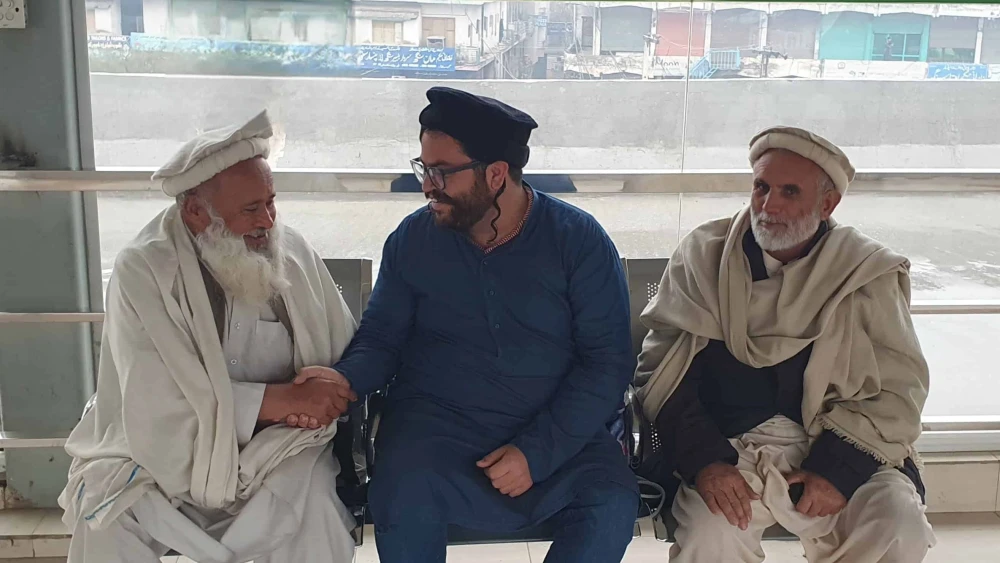
While he has not met many Jews from largely extinct communities in Muslim nations, he did meet citizens in Pakistan who consider themselves descendants of the lost tribes of Israel.
“They are Jewish by descent, but they practice Islam,” he said. “They’re from the tribes of Israel but identify as Muslims.”
Despite the deterioration of relations with neighboring countries since Hamas’s Oct. 7 massacre, Gold remains hopeful.
“Peace is possible and will happen,” he assures. “The messiah will come. We will live in harmony. We hope it will be in our generation or the next generation for our children to see. But it will definitely happen; it’s only a matter of time.
“To the world, my message is: Don’t believe what anybody says. Come see things for yourself.”