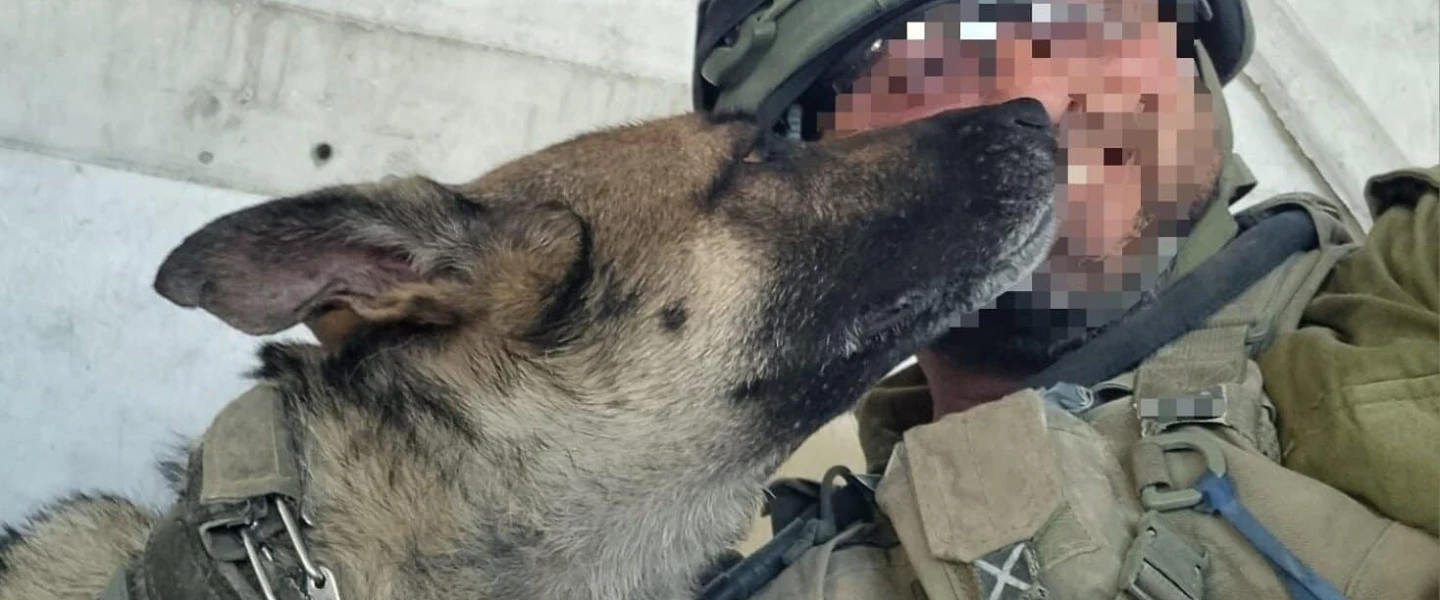
They are sworn to serve and protect Israel’s citizens. For hundreds of police officers, that oath doesn’t end with their shift. When called to duty, they trade their blue uniforms for the olive-green fatigues of the Israel Defense Forces, but their mission remains the same: protecting the citizens of Israel.
As Israel fights to defeat Hamas and bring home the remaining hostages, these officers are doing “double duty"—guarding the streets as cops and joining combat missions on the battlefield as soldiers on reserve duty.
“The goal is always the same: our citizens must feel safe,” Sgt. Maj. Eyal, a 14-year Israel Police veteran currently serving as a reservist in the north, told JNS. “It doesn’t matter whether I’m holding a police radio in Tel Aviv or a rifle on the border. We don’t get to choose where we serve.”
First responders on Oct. 7
Israel’s police force has long been both guardian of the streets and a frontline defense against terror. On Oct. 7, 2023, police officers were the first to confront Hamas gunmen in southern communities, often engaging terrorists before IDF reinforcements arrived.
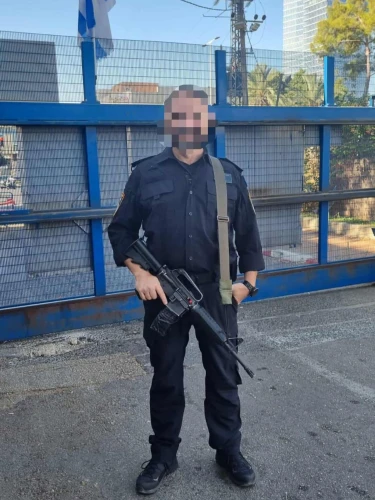
Two years later, many of those same officers continue to balance police duties with reserve combat roles.
One of them is “O,” head of the murder investigation team in the Sharon region of central Israel and a combat medic in the IDF. He had been preparing for his bar exams when Hamas launched its massacre on southern Israel. His phone flooded with alerts, and he rushed to his police station. Though no longer obligated to serve in the reserves due to his age and police service, “O” decided to rejoin his unit.
“When choosing between personal interest and the interest of the country, the country always wins,” he told JNS.
“O” eventually passed his bar exams, saying he found the transition between uniforms seamless. “The most important thing is to protect the citizens of the country. That is why I went back into the reserves.”

‘We live the dichotomy’
Another officer, “Z,” who is nearly 30, serves as an investigator in the Jordan Police Station in the Kinneret Subdistrict and as a commander in the IDF’s operations division. On Oct. 7, she received simultaneous alerts from her police program and the army.
“Where to go first? That is the dichotomy of serving in both branches of Israel’s security forces,” she said.
Driving to her military base, she heard civilians on the radio pleading desperately for help from both the police and the army. “I could hear the hysteria in their voices,” she recalled.
Her police colleagues marked 400 days of reserve service by surprising her with a small celebration. “It was quite emotional to receive this honor,” she said.
Like “O,” she is also studying—pursuing a degree in Management and Economics at Tel-Hai College before her planned officer’s course.
For the families of police officers, the double burden is particularly heavy.
“My kids ask why their father has to go again and again,” said Shira, whose husband patrols their town by day and serves in Gaza on reserve duty. “First, he leaves every morning to patrol our streets, and then he’s called to the battlefield. I tell them: This is Israel. Everyone does their part.”
Her 10-year-old daughter wrote a note she keeps in her father’s vest: “Come back safe, Abba. We love you.”
Officers acknowledge the toll. “I can tell my wife everything and she listens and advises. She is everything to me,” said “O.” “I also know who I am helping and why I am doing it. That makes it worthwhile.”
Former Police Commissioner Kobi Shabtai praised the force: “These officers fight crime and terror on our streets, then carry the same courage into the field. They embody the spirit of Israel—never backing down, never giving up.”
Unsung heroes
On buses, in marketplaces and at checkpoints, ordinary Israelis often stop officers to thank them. “They protect us here, and they protect us there. Without them, Israel would not survive,” said a Jerusalem shopkeeper.
From Tel Aviv to Gaza, from Tulkarem to the Lebanese border, police officers stand guard in two uniforms, bridging the home front and the battlefield.
“They will fight until Hamas is defeated and the hostages are home,” said one commander. “That is their oath. That is their promise. And in Israel, promises are kept.”
One officer who had just returned from two weeks of reserve duty in Gaza was back in his patrol car within 24 hours. “When I wear green, I’m fighting Hamas. When I wear blue, I’m protecting my neighbors,” he said. “Either way, it’s the same mission—to make sure our people can live safely.”
For Israel’s police officers, the uniform may change—but the commitment never does.