Newsletter
Newsletter Support JNS

Snapshots of Sukkot

During ancient times, Sukkot was one of three pilgrimage festivals, where Jews were commanded to ascend to the Temple.

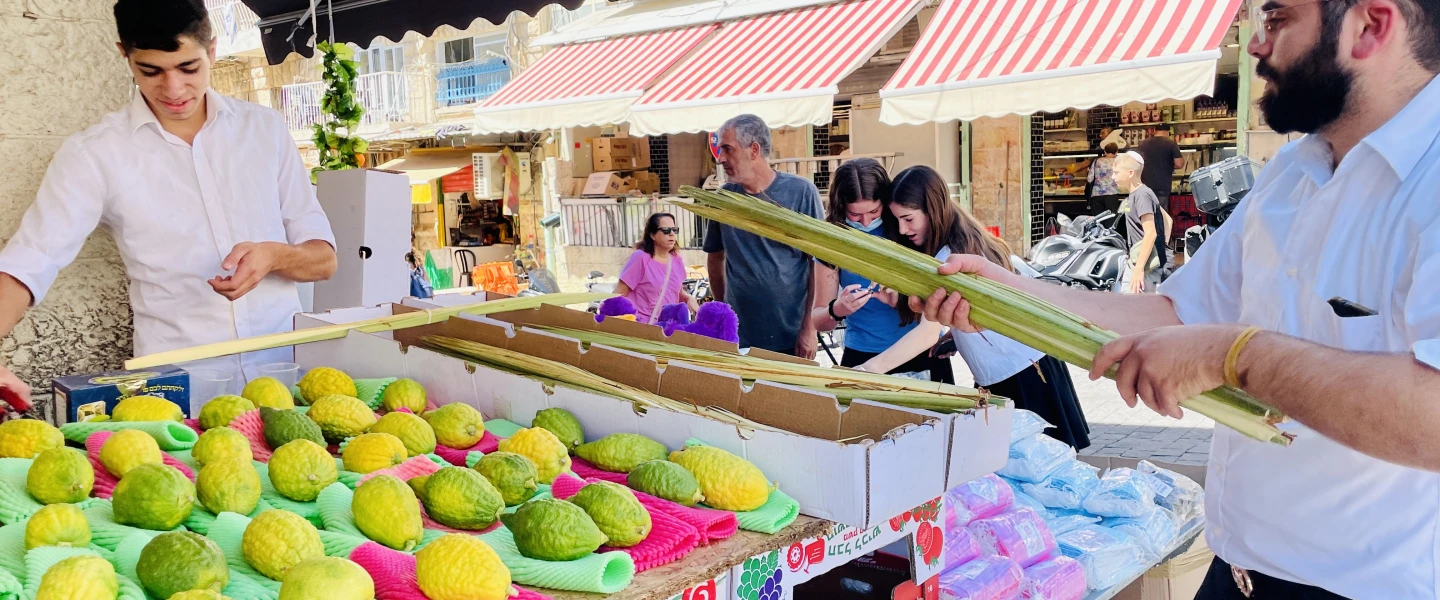
The Machane Yehuda outdoor market in Jerusalem was bustling as Israelis prepared for the upcoming Sukkot holiday on Sept. 20, 2021. Photo by Eliana Rudee.

Sukkot is a week-long holiday in Israel (as opposed to eight days in the Diaspora), with the first and last days as Yom Tov and national holidays in which businesses are closed. This year, the holiday starts at sundown on Sept. 20.

Sukkot is the “Festival of Booths,” and its emblem is the sukkah, a temporary dwelling built outside with a roof made of organic material, often palm or tree leaves, known as sechach. Meals are eaten there, and some people even sleep in the sukkah. In Israel, most kosher restaurants and even some non-kosher ones have a sukkah for their guests during the holiday. On each day during Sukkot, Jews are commanded to perform a ceremony with the “Four Species” or “Four Kinds”: the lulav (palm frond), hadas (myrtle), arava (willow) and etrog (citron fruit), which are mentioned in the Torah (Leviticus 23:40). They are first carefully inspected to ensure that they are kosher for use. During ancient times, Sukkot was one of three pilgrimage festivals, where Jews were commanded to ascend to the Temple. It represents the end of the harvest time as well as a commemoration of the people of Israel’s dependence on God, as described in Exodus and Leviticus. Here are some snapshots of the Machane Yehuda open-air market in Jerusalem as Israelis prepared for the holiday.
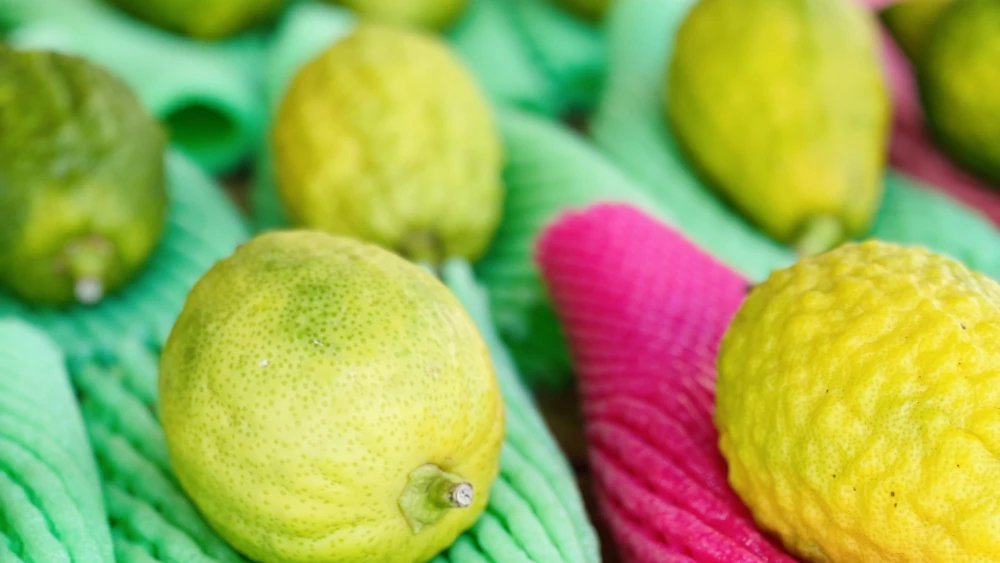
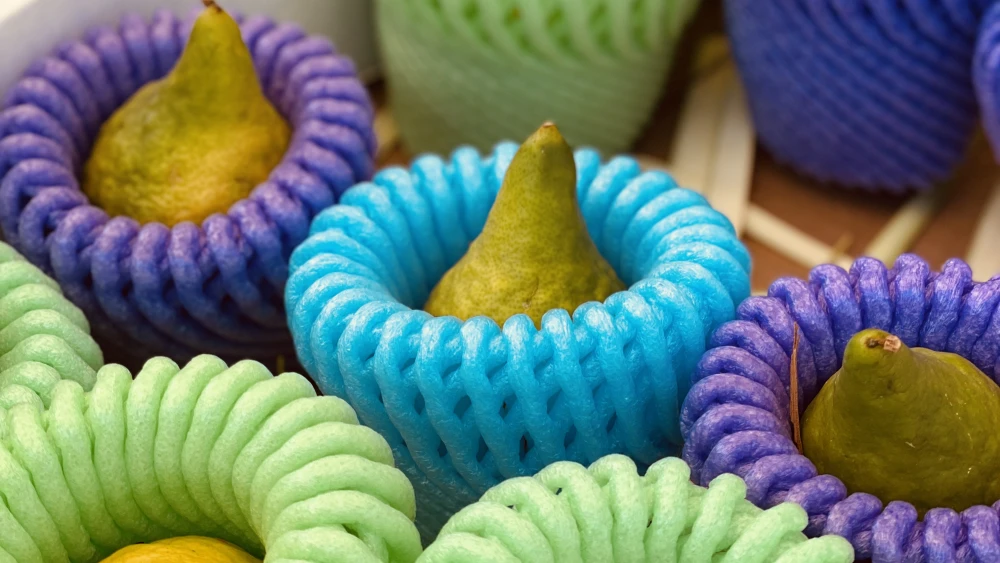
Etrogs on sale at Machane Yehuda outdoor market in Jerusalem, September 2021. Photo by Eliana Rudee.
Etrogs on sale at Machane Yehudah outdoor market in Jerusalem, September 2021. Photo by Eliana Rudee.

Etrogs on sale at Machane Yehuda outdoor market in Jerusalem, September 2021. Photo by Eliana Rudee.
Etrogs on sale at Machane Yehudah outdoor market in Jerusalem, September 2021. Photo by Eliana Rudee.

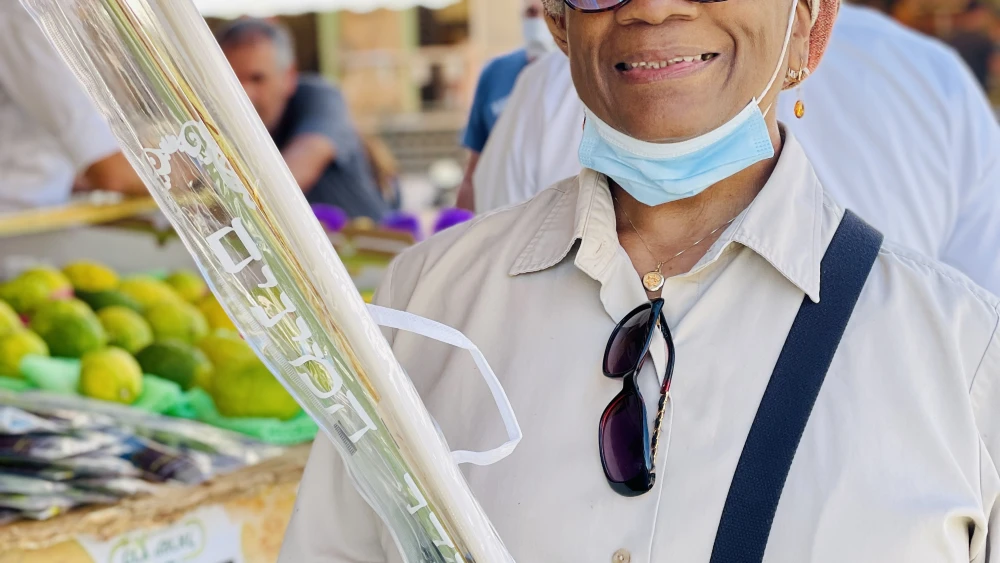
On each day during Sukkot, Jews are commanded to perform a ceremony with the lulav and etrog, which are mentioned in the Torah (Leviticus 23:40). Photo by Eliana Rudee.

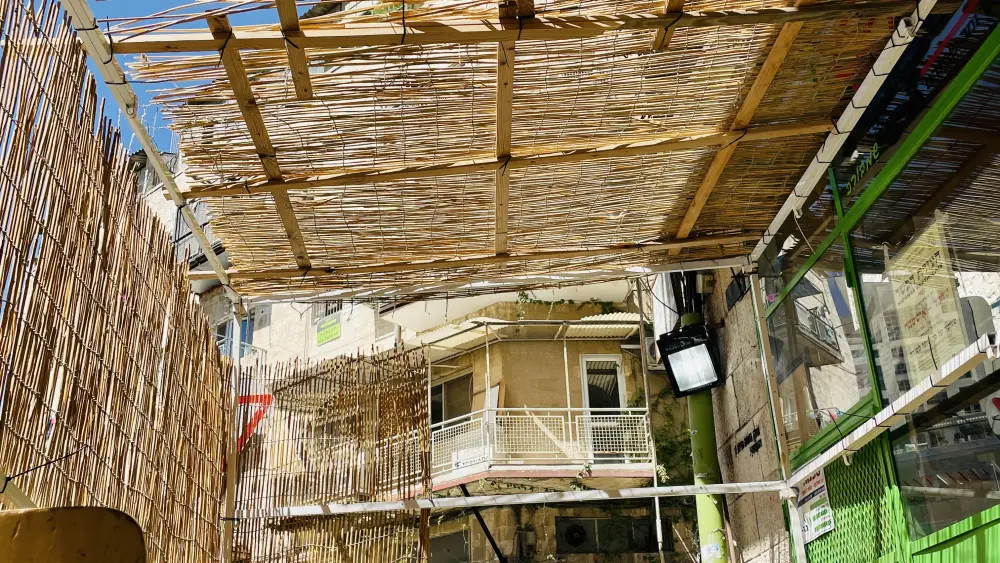
Sukkot is the "Festival of Booths," and the emblem of Sukkot is the sukkah, a temporary dwelling built outside with a roof made of organic material, often palm or tree leaves, known as "sechach." Photo by Eliana Rudee.
Sukkot is the “Festival of Booths,” and the emblem of Sukkot is the sukkah, a temporary dwelling built outside with a roof made of organic material, often palm or tree leaves, known as “sechach.” Photo by Eliana Rudee.

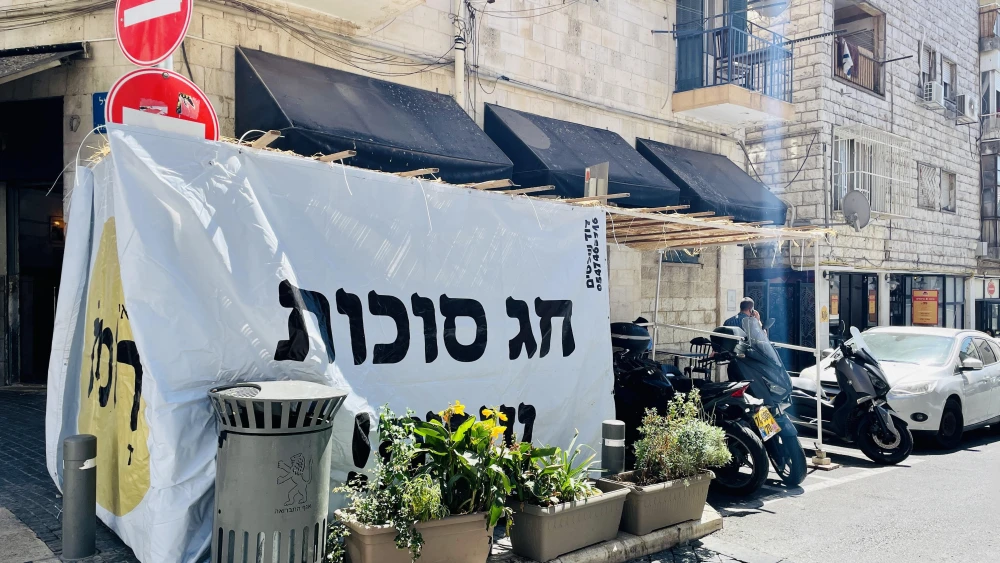
During Sukkot, meals are eaten in the Sukkah. In Israel, most kosher restaurants, and even some non-kosher ones, have a sukkah for their guests during the holiday. Photo by Eliana Rudee.

The New York City mayor said that he is “grateful that Leqaa has been released this evening from ICE custody after more than a year in detention for speaking up for Palestinian rights.”
“I hope all the folks from Temple Israel know that we’re praying for them,” the U.S. vice president said. “We’re thinking about them.”
The co-author of the K-12 law told JNS that “this attempt to undermine crucial safety protections for Jewish children at a time when antisemitic hate and violence is rampant and rising is breathtaking.”
The measure has drawn opposition from civil-liberties groups, including the state’s ACLU.

Israel Airports Authority confirmed that the planes were empty and no injuries were reported.

The victims suffered light blast wounds and were listed in good condition at Beilinson Hospital.