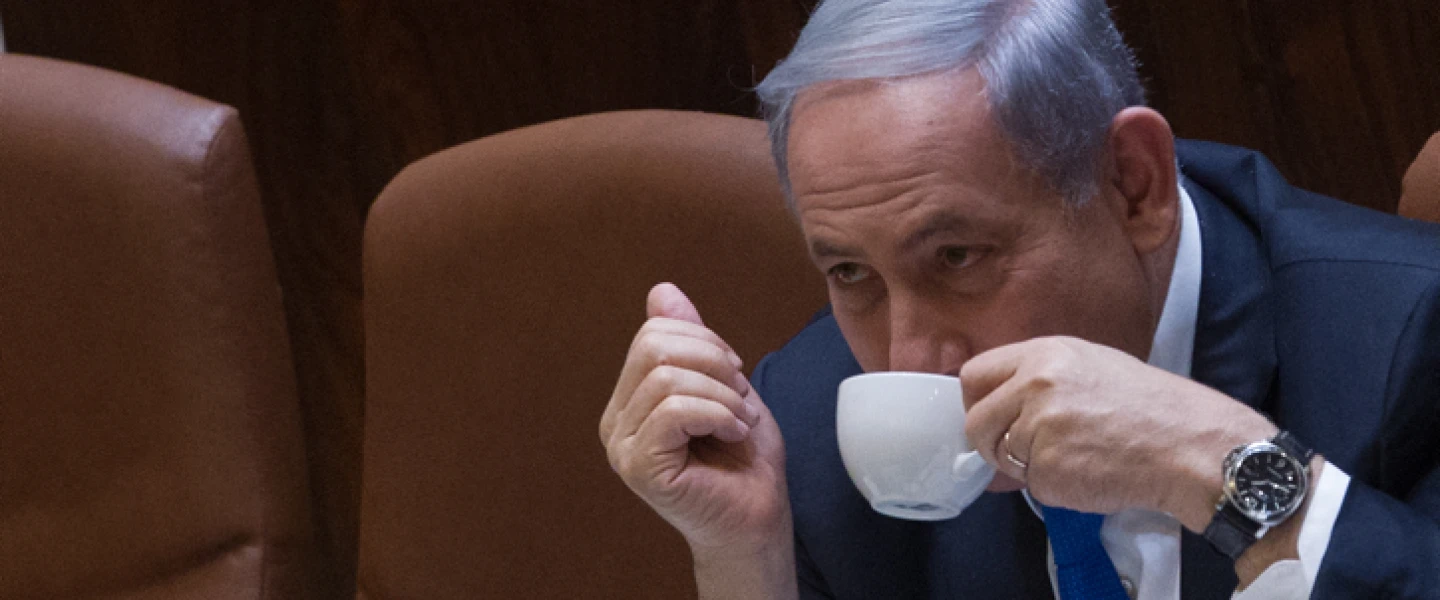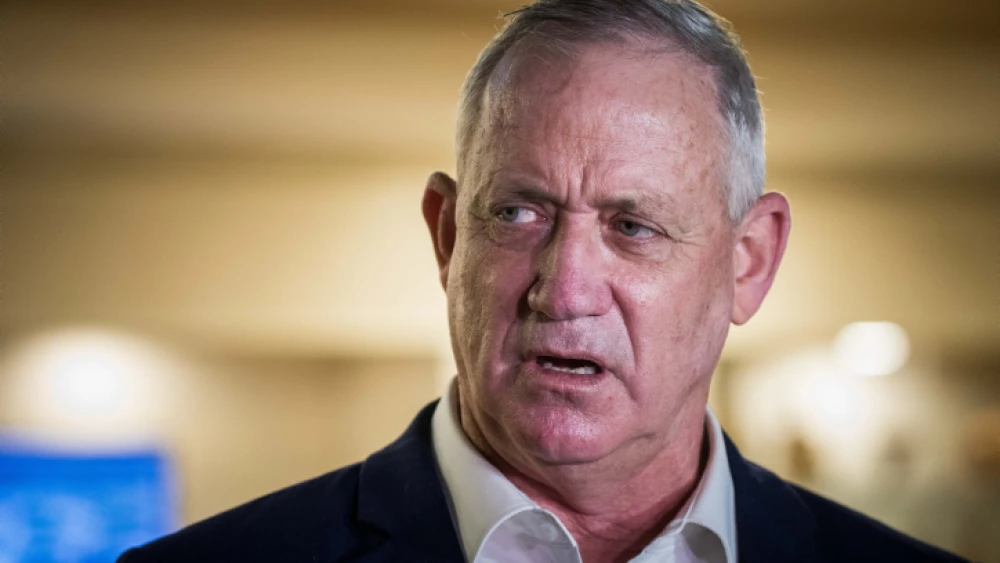
Benny Gantz, currently serving as part of Israel’s War Cabinet, has said in private conversations that the idea of replacing Prime Minister Benjamin Netanyahu in the middle of the war is “nothing less than hallucinatory.”
The former IDF chief of staff and head of the opposition National Unity Party said that there will come a time to have such conversations and investigate who bears responsibility for the security failure on Oct. 7, Kan Reshet Bet radio reported on Monday.
Netanyahu has ignored demands that he take responsibility for the disaster, most recently, skirting a question from CNN‘s Dana Bash on Sunday as to whether he would do so, only indicating that such questions need to be asked, but at a future date.
“Right now, I think what we have to do is unite the country for one purpose: to achieve victory,” he said.
Netanyahu has repeatedly questions of responsibility are “going to be resolved after the war.”
The prime minister himself received blowback after attempting to pin the blame on the security establishment in a tweet last month, saying he’d never received a warning of an impending attack. He deleted the tweet and apologized.
Since the war began, Netanyahu has acted decisively, setting the war’s goals as the military and political destruction of Hamas and Palestinian Islamic Jihad, attempting to rescue Israeli hostages, shoring up international support and resisting calls for a ceasefire.
He has said Israel will maintain security control over Gaza after defeating Hamas.