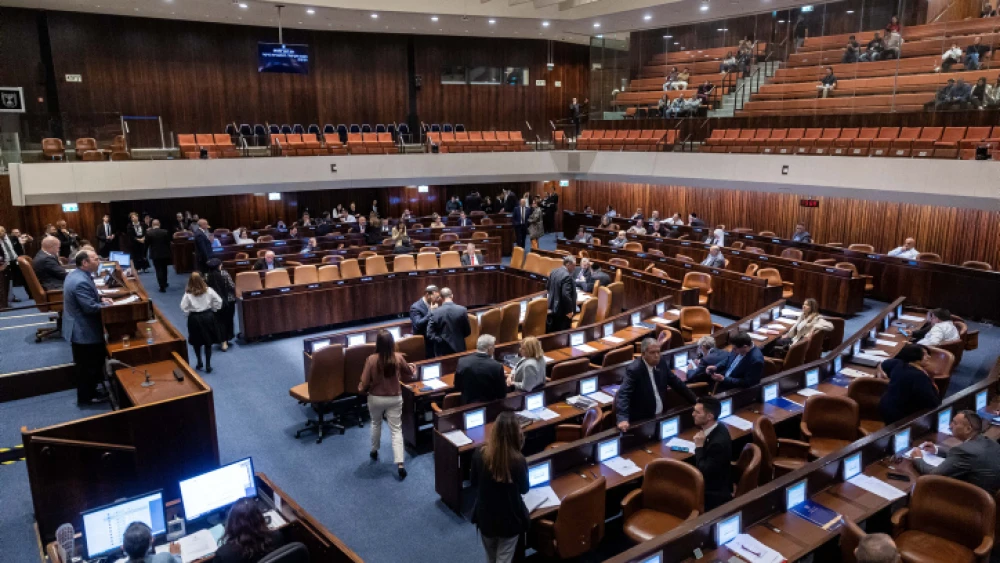
The Knesset plenum on Wednesday approved in a preliminary reading a bill allowing victims of terrorism to file tort claims against those who provide remuneration for committing acts of terrorism.
This proposed legislation takes on the Palestinian Authority’s “pay for slay” policy in which it pays monthly stipends to terrorists and the families of slain terrorists.
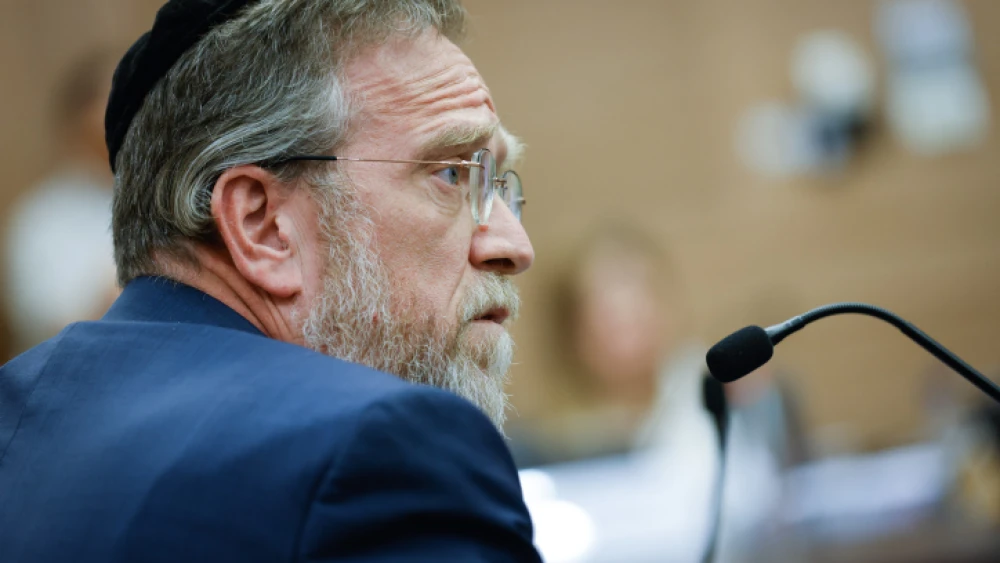
The proposal introduced by United Torah Judaism MK Yitzhak Pindrus passed in a 24-8 vote. The legislation now heads to the Knesset Foreign Affairs and Defense Committee.
The proposal stipulates that the compensation to the victims of terrorism will not be offset against the monies the State of Israel pays to citizens affected by terrorist attacks.
Victims will also be able to pursue financial compensation from any assets belonging to those funding terrorism, including tax and tariff payments Israel transfers to the P.A.
“Civil tort claims by victims of terrorism are an effective and efficient tool in many countries to combat terrorist financing since they harm the resources of those involved in terrorist financing and create financial deterrence,” the draft law states.
“However, Israeli law places many barriers before victims of terrorism who wish to file these claims, in a way that a considerable [number] of the victims refrained from submitting them. Thus, the State of Israel loses a cheap and effective means of combating terrorism and another injustice is caused to the victims of terrorism who do not receive adequate compensation,” it continues.
In February, the Knesset passed legislation stripping Israeli citizenship or residency rights from persons who receive stipends from the Palestinian Authority as part of its “pay for slay” policy.
The law, which drew support from opposition MKs, applies to Israeli citizens and permanent residents convicted of terrorism, aiding terrorism, inciting war or aiding an enemy. It gives the interior minister authority to revoke citizenship and resident status after a mandatory hearing and, if citizenship is revoked, deny entry to Israel to those deported from the country.
Rev. Al Sharpton expressed shock after hearing about the P.A.’s “pay-for-slay” policy in a meeting last month with Mort Klein, national president of the Zionist Organization of America.
Sharpton told Klein—and has posted on Twitter and Instagram—that he will contact U.S. House of Representatives Minority Leader Hakeem Jeffries (D-N.Y.) and the leadership of the Congressional Black Caucus to find out more about the policy and what can be done about it.