


Former high-ranking U.N. officials have signed on to lead a new aid delivery mechanism to the Gaza Strip that aims to avoid Hamas looting. But António Guterres, the world body’s secretary-general, said again on Friday that the global body “will not take part in any scheme that fails to respect international law and the humanitarian principles of humanity, impartiality, independence and neutrality.”
Guterres told reporters that Gazans “are enduring what may be the cruelest phase of this cruel conflict,” as Israel implements a military campaign to centralize Gazan citizenry and to isolate and eliminate remaining Hamas terrorists.
“Today, 80% of Gaza has been either designated an Israeli-militarized zone or an area where people have been ordered to leave,” Guterres said. “In other words, four-fifths of the territory of Gaza is a no-go zone for the people of Gaza.”
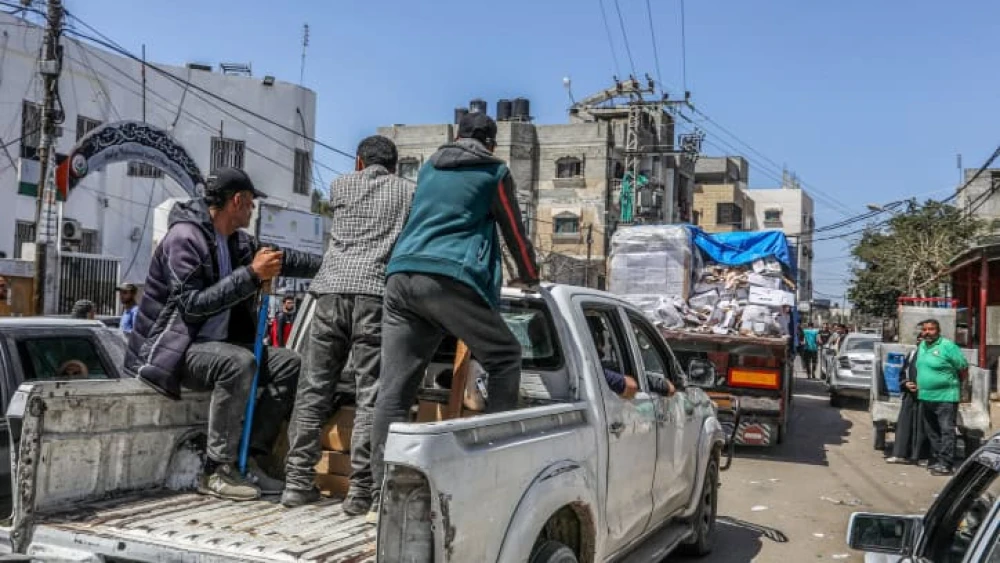
On Sunday, Israel ended its 11-week blockade on aid delivery to pressure Hamas to release more hostages. Guterres criticized the Jewish state’s methods, even as U.N. agencies have struggled to deliver the limited amount of aid that entered the Strip this week.
“In recent days, almost 400 trucks were cleared for entry to Gaza through the Kerem Shalom crossing, but supplies from only 115 trucks have been able to be collected,” Guterres said.
The U.N. chief gave no indication of why the United Nations, which consistently saw massive backlogs of trucks waiting for delivery earlier in the war, hasn’t yet collected all of the deliveries this week.
Without safety and security mitigation measures in place for our convoys, and with a low supply of aid, “the risk of security incidents and looting remains high,” he said.
U.N. data shows that Palestinian terrorists looted hundreds of trucks during the war, when aid was flowing into the enclave regularly. The United Nations has declined to let Israel protect the routes and convoys.



