The Israel Defense Forces confirmed on Wednesday afternoon that a drone discovered outside of the Jewish town of Yitzhar in Samaria earlier in the day was rigged with a pipe bomb.
Soldiers and bomb disposal experts neutralized the drone and sent it for investigation.
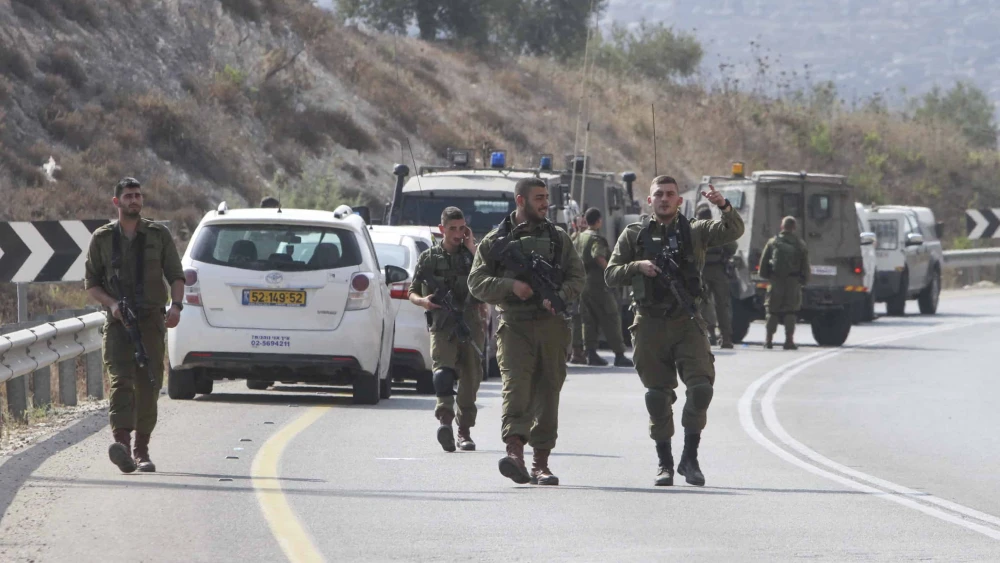
A military spokesperson told JNS earlier that the IDF responded to reports of a possible armed drone. Troops were called to the scene after residents found “a suspicious object in the form of a drone,” the IDF spokesperson confirmed.
Soldiers closed the area until bomb disposal experts could come disarm the object, according to the military.
According to Israel Hayom, the incident marked the second time a suspicious drone has been found in the vicinity of Yitzhar. The previous drone was found to be carrying a mock bomb, residents said.
Locals told the paper that the drone discovered on Wednesday appeared to have been launched from the Palestinian village of Madama, less than a mile north of Yitzhar.
A drone carrying an IED fell next to Yitzhar in Samaria.
— Daniel | דניאל 𓉱 (@DanitheSett) January 22, 2025
Bomb squad is on the way to see if it's real or a fake test bomb.
This is a very serious threat to all Jewish towns in J&S. https://t.co/1SNGIJnPdR
Fighting for Life, which organizes protests against terrorism in Samaria, said that the only explanation for the incident was that terrorists were training for another Oct. 7-style attack.
“It starts with failed attempts, but even the first rockets were flying tubes that we laughed at, and the enemy learned,” the group stated. “What started as rock-throwing terror from the village on the nearby road quickly turned into explosive drones—and who knows what else the enemy is planning.”
The organization called on the military to enter the villages surrounding Yitzhar, to “evacuate the terrorist population and to ensure that no infrastructure that terrorists could one day use is left standing.”
On Tuesday, the IDF launched “Operation Iron Wall” against Iranian-backed Palestinian terror organizations in Jenin in northern Samaria.
Israeli Defense Minister Israel Katz vowed that Jerusalem would “not allow the arms of the Iranian octopus and radical Sunni Islam to endanger” Israeli lives “and establish an eastern terrorist front.”
The operation is initially focused on the terrorist hub of Jenin, an unnamed senior security force told the Channel 14 News broadcaster on Tuesday evening that the large-scale campaign could last months.
“When it ends, the terror camps will cease to exist. What we did in Gaza, we will do to them as well,” the source said. “We will leave them in ruins.”