Iranian ballistic missiles appear to have scored direct hits on five Israel Defense Forces bases during last month’s 12-day war with the Islamic Republic, the British Telegraph reported on Saturday, citing radar data.
The Israeli military did not comment on the claims to The Telegraph or when asked by JNS on Sunday, stating only that “all relevant units maintained functional continuity throughout the operation.”
The radar data was shared with The Telegraph by academics at Oregon State University who specialize in assessing battle damage, the daily said, noting the report was based on initial findings.
The researchers suggested that five IDF facilities were hit by six Iranian missile barrages targeting Israel’s north, south and center, including a major air base, an intelligence gathering center and a logistics base.
The alleged damage to IDF bases has not been shared with the Israeli public by Jerusalem and cannot be reported on freely from within the Jewish state because of military censorship laws, The Telegraph said.
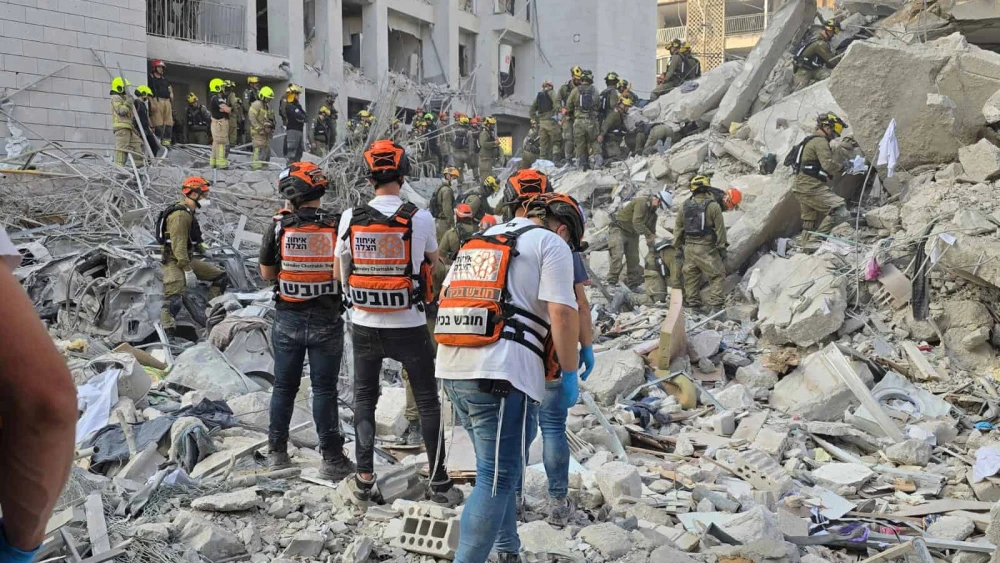
In addition to these impacts, 36 other Iranian rockets are known to have penetrated Israeli and U.S. air defenses during the war, causing widespread destruction and killing 27 civilians and an off-duty IDF soldier.
The Telegraph‘s data analysis showed that air defense systems failed to down some 16% of missiles by day seven of the war, roughly corresponding to Jerusalem’s official interception rate of 86%.
The British newspaper claimed that the proportion of missiles that got through grew “steadily” over the first eight days of the 12-day conflict.
Experts told The Telegraph that while the reasons for this were unclear, they could include rationing of a limited stock of interceptor missiles, as well as improved Iranian tactics and the use of sophisticated projectiles.
During the 12 days after Jerusalem launched “Operation Rising Lion” against the Iranian regime’s nuclear and ballistic missile programs early on June 13, the regime fired nearly 1,000 missiles and drones at the Jewish state, mainly targeting Israeli civilians in major population centers.