


The governmental Israel Institute for Biological Research (IIBR) has approval from the Israeli Health Ministry and the Helsinki Committee to begin testing its SARS-CoV-2 vaccine, BriLife, on Nov. 1.
The IIBR has prepared 25,000 doses and has recruited the first volunteers in an 80-person clinical trial, 40 at Hadassah University Medical Center in Jerusalem and 40 at Sheba Medical Center in Ramat Gan.
Each volunteer, aged 18 to 55, will receive an injection (vaccine or placebo). After a few hours of supervision he/she will be discharged and monitored for three weeks for any possible side effects and for the development of antibodies to the virus in response to the vaccine.
The second phase will include extensive safety tests on 960 healthy volunteers, to begin in December in several medical centers across Israel. In this phase, scientists aim to complete vaccine safety precautions, determine effective dosage, and further determine the vaccine’s effectiveness.
The third and final phase is a large-scale trial to test the vaccine’s effectiveness, with the participation of up to 30,000 volunteers. Subject to the success of the first two phases, this phase is scheduled to begin in April or May. If it is successful, the vaccine may be approved for mass use.
On June 21, ISRAEL21c reported that a single dose of the IIBR’s recombinant VSV-∆G-spike vaccine had resulted “in rapid and potent induction of neutralizing antibodies against SARS-CoV-2” in Syrian golden hamsters in a successful preclinical trial. It was also tested successfully in mice, rabbits and pigs, paving the way for human trials.
“Our final goal is 15 million doses for the residents of the State of Israel and for our close neighbors,” said professor Shmuel Shapira, director of the IIBR.
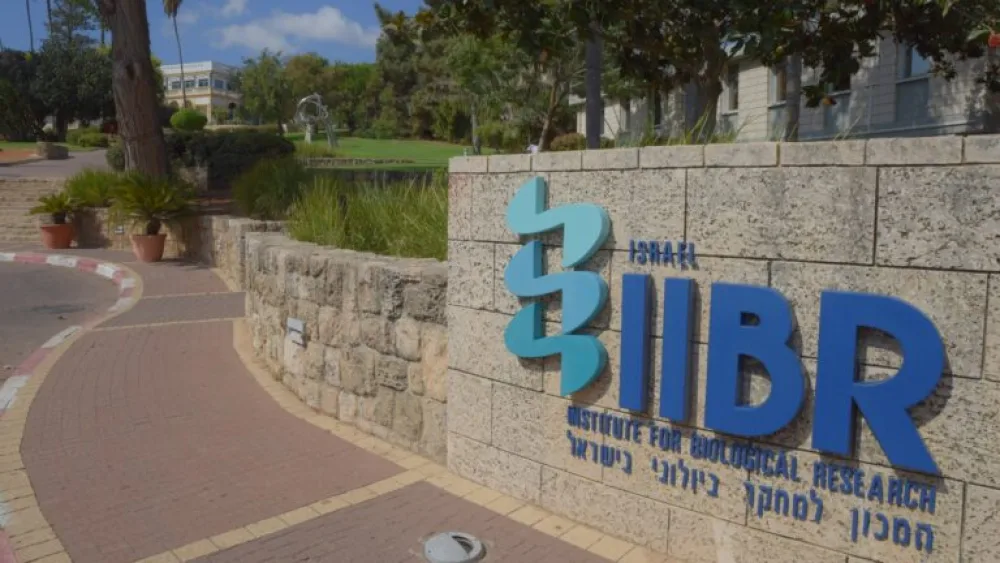
The research institute in Ness Ziona, which is part of the Defense Ministry, has been directing all its efforts in the past few months toward novel coronavirus research.
In collaboration with several partners, the IIBR also is developing an antibody-based COVID-19 treatment and a new method to detect the virus through breath analysis.
Shapira said the name BriLife combines the Hebrew word for health, briut, with “il” for Israel and “life.”
This article was first published by Israel21c.


