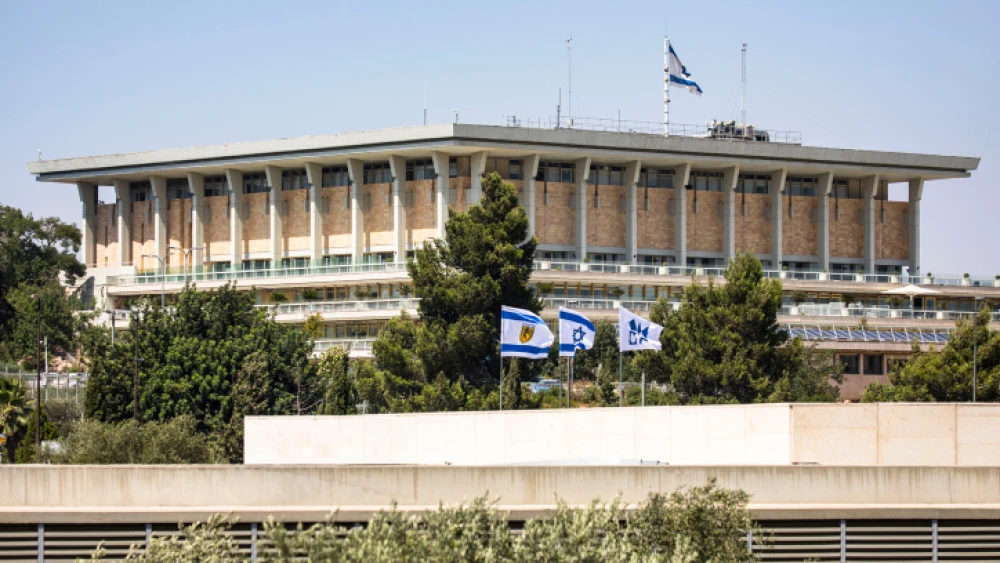
Israel’s Knesset overwhelmingly approved the Abraham Accords it officially brokered with the United States and signed in Washington on Sept. 15 with the United Arab Emirates and the Kingdom of Bahrain.
The tally, 80-13, followed a unanimous Cabinet vote on Oct. 12.
The 13 opposed came from the Joint Arab List, which believes that no Arab country should make peace with Israel until the Palestinians have a state.
These were the first agreements between Israel and other Mideast nations since Israel’s peace deal with Egypt in 1979 and with Jordan in 1994. The UAE and Bahrain are the first Gulf countries to normalize ties with the Jewish state.
Under the Israel-UAE deal, the two countries agreed to sign bilateral agreements on security, tourism, direct flights, investment, telecommunications, technology, health care, reciprocal embassies, culture, energy and the environment.
They also agreed to increase and fasten cooperation in developing a vaccine for COVID-19.
Under the deal, however, Israel agreed to suspend applying sovereignty to parts of the West Bank, also known as Judea and Samaria—a part of the deal Nahyan touted in his Tuesday remarks in that it would allow Abu Dhabi to “continue to stand by the Palestinians.”