Newsletter
Newsletter Support JNS

Most schools reopen for evacuated students in northern Israel

Sixty-four percent of the 16,000 pupils evacuated are now back in their original schools.

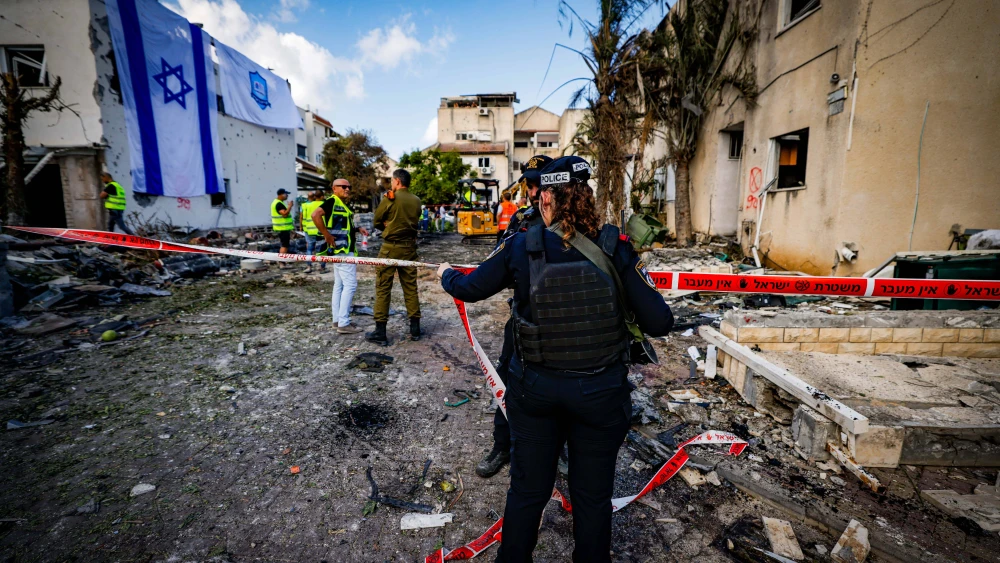
Israeli security and rescue forces at the site where a Hezbollah rocket fired from Lebanon hit homes and cars in the Haifa suburb of Kiryat Bialik, Sept. 22, 2024. Photo by Chaim Goldberg/Flash90.

Nearly two-thirds of Israeli school children who were evacuated from their homes in the north due to the war with Hezbollah have returned to their schools, the Israeli Education Ministry said on Sunday.

Sixty-four percent of the 16,000 pupils evacuated last year are back in their original schools. The ministry said that 83% percent of evacuated teachers have also returned to teach in northern Israel.

Some 113 educational institutes in northern Israel have now reopened, including 57 kindergartens, 24 daycare centers, 22 elementary schools and 10 high schools.

A ceasefire with Hezbollah took effect in November after a yearlong war.

About 60,000 evacuated residents from northern Israel have still not returned home.

The measure passed overwhelmingly, with 93 lawmakers voting in favor and none opposed.
Israel’s Foreign Ministry says Jews, under 1% of Canada’s population, suffer about 70% of religious hate crimes in the country, citing 6,800 incidents in 2025.
Israeli Minister of Transport and Road Safety Miri Regev instructed her ministry to prepare measures aimed at preventing the virus from spreading.
The Civil Commission on Oct. 7 Crimes Against Women and Children told JNS that the report “provides a prosecution-oriented framework for future investigations into war crimes, crimes against humanity and genocidal acts.”
“I would call it the weakest right now after reading the piece of garbage they sent us,” said U.S. President Donald Trump.
Planned agritourism development in Trozena has prompted false allegations, political criticism and concerns over foreign investment.