Two municipal leaders are proposing construction of a city east of Rosh HaAyin that would be home to approximately 130,000 residents, positioning the development as a security buffer for central Israel.
Yossi Dagan, head of the Samaria Regional Council, and Raz Shagya, mayor of Rosh HaAyin, on Monday jointly called on the Israeli government to approve the city on agricultural land within the Samaria council’s jurisdiction. The proposal aims to prevent another attack similar to the Oct. 7, 2023, Hamas assault down south, according to Israel National News.
The initiative builds on the “Million in Samaria” plan unveiled two years ago, which detailed expansion of the Samaria region to one million residents by 2050. Since then, dozens of agricultural communities have been established in coordination with government ministries to secure state land designated for future communities under that plan.
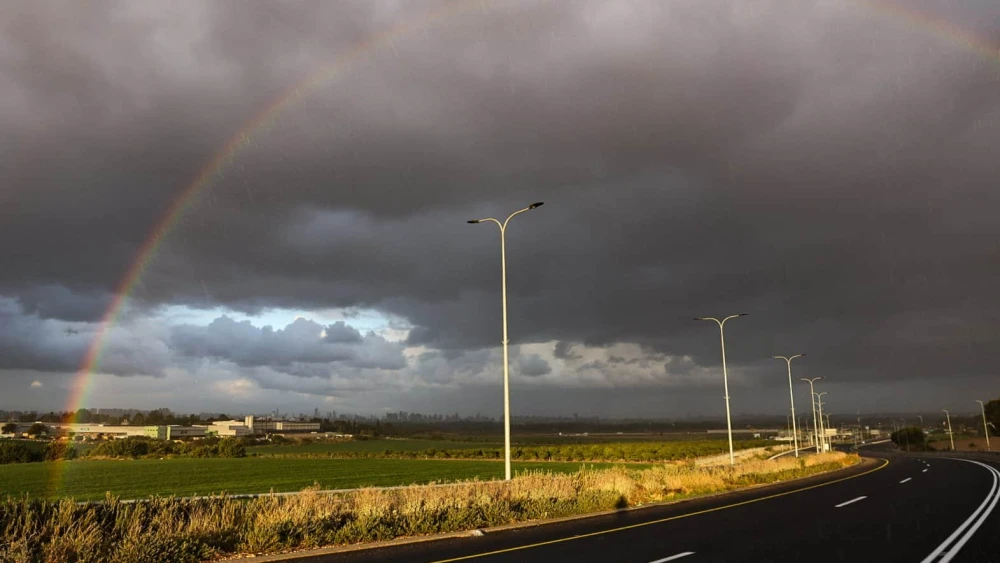
One such community, the Lerner family farm in Nahal Rabah, was established in recent months between the communities of Peduel, Leshem, Bruchin and Eli Zahav. The farm, named “Shir David” after fallen soldier David Levi, overlooks Rosh HaAyin and served as the catalyst for the joint proposal.
After visiting the community, the two leaders conducted professional assessments over two months before announcing their request to the government.
“The reality today is that hundreds of meters from Rosh HaAyin neighborhoods, Palestinian waste fires occur almost nightly—directly harming residents’ health, air quality and quality of life,” Shagya said, according to Israel National News. He described organized settlement in the area as essential to eliminating the problem and providing security for Rosh HaAyin residents.
Dagan emphasized the strategic importance of the location, noting that Rosh HaAyin buildings are clearly visible from the farm site.
“We are here together on this mission, to practice Zionism and bring security both in Samaria and in Rosh HaAyin,” Dagan said, according to the report. He called on the government to pass a resolution establishing “Rosh HaAyin East,” connecting Rosh HaAyin to Samaria.
The leaders described the proposed city as a security belt for central Israel, with Shagya calling organized settlement “a necessary condition for the health, quiet and security” of Rosh HaAyin residents.