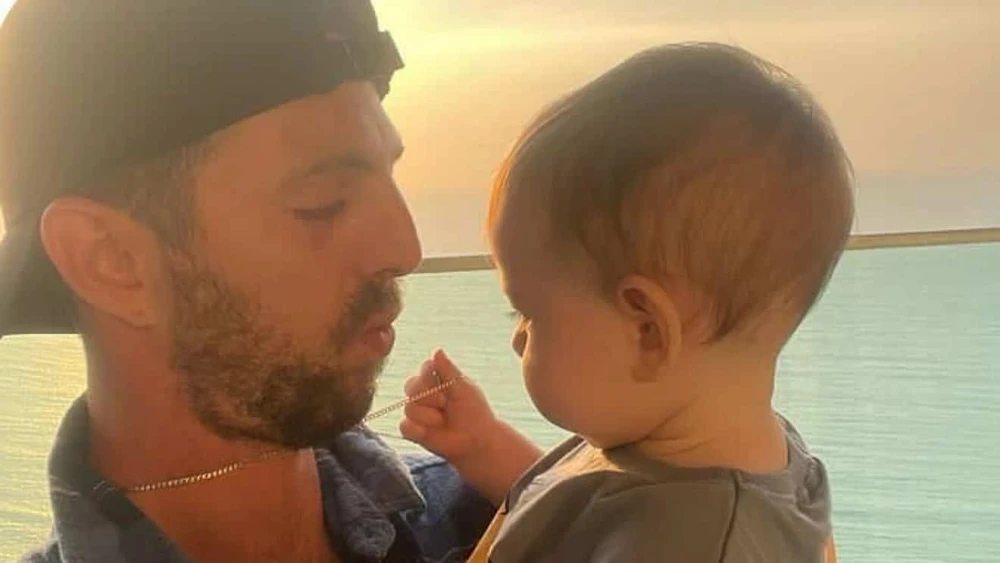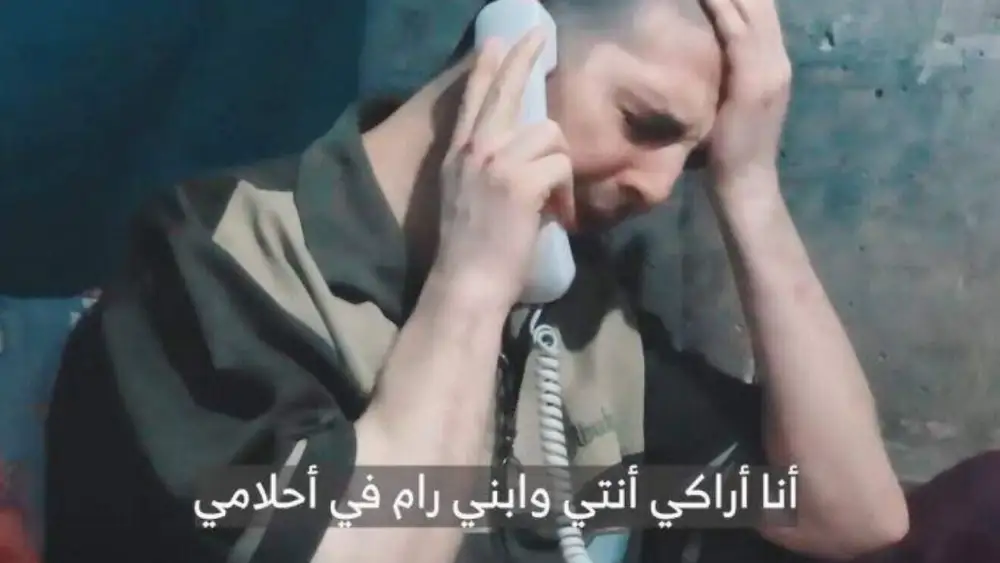
Elkana Bohbot, one of the Israelis abducted during the Oct. 7, 2023 Hamas massacre, was held in Gaza for 738 days. In an interview with Ynet on Monday, he revealed some of the horrors he endured at the hands of his captors.
Nearly two years of captivity were marked by severe physical abuse, psychological torment and fear over the fate of his family. “It was two years of suffering and uncertainty,” Bohbot told Ynet.
Throughout his captivity, Bohbot said his thoughts were consumed by his wife, Rivka, and their young son, Re’em. “What about them? Where are they? What did they tell the child? How does he cope? It was the hardest,” he said.
Before Oct. 7, Bohbot was an entrepreneur and one of the organizers of the Nova music festival, which he helped plan for six months with childhood friends and business partners Osher and Michael Vaknin. The Vaknin twins were murdered at the festival, along with 376 others.
“We waited so much for this production and worked on it a lot,” said Bohbot. “After all the difficulties Rivka and I went through, it felt like a peak moment. And then the nightmare came.”
As rocket fire began that morning of Oct. 7, 2023, Bohbot urged festivalgoers to flee. What followed, he said, was chaos. Hamas terrorists stormed the area, shooting civilians at close range and documenting the killings. They shot people who were already dead. Bohbot called them “human animals.”
Bohbot was captured and taken into Gaza. He described being beaten during the abduction, and sustaining a severe leg injury when a terrorist pressed a hot gun barrel against his leg. The wound was so deep that when he got to Gaza, his captors suspected he had been shot and attempted to treat it, but he refused.
One of the first videos released by Hamas showed wounded Israeli captives bound and lying face down. Bohbot was among them, his terrified expression described by Ynet as burned into the Israeli consciousness.
“The first thing they did to us in Gaza was beat us,” he said. At one point, he recalled praying to be shot rather than lynched. “I only thought about Re’em—about him growing up knowing his father died in a Hamas lynching.”
However, the psychological abuse often surpassed the physical violence, he said. His captors repeatedly lied to him about the fate of family members, exploiting what they identified as his greatest vulnerability.
“They told me my mother was dead, that my wife was dead,” he said. “One terrorist asked my son’s name and then said, ‘I pray that your son dies,’ and began praying in front of me.”
While Bohbot was held in underground tunnels, his wife led a relentless public campaign for his release, meeting with officials and speaking at every available forum, all while raising their son alone.
Hamas released four propaganda videos of Bohbot during his captivity. He revealed that another video—never published—was even more brutal. Captives were beaten and injured so it would appear as if they had attempted suicide, he said. “They smashed my hand for that,” he added, showing visible marks.
In the final months before his release, conditions worsened significantly. Bohbot said he and other hostages were starved, constantly harassed and forced to watch videos of Hamas attacks on Israeli soldiers.
“You’re in a booby-trapped tunnel, surrounded by terrorists and explosives,” he said. “There’s nothing you can do. It’s total helplessness.”
He also described repeated “games” in which terrorists threatened mutilation or execution, demanding that hostages choose who would be harmed. On one occasion, a captor arrived with a knife and demanded that they choose a hostage for him to cut a finger from. They begged and pleaded with him, and the threat was postponed.
Bohbot said he briefly considered escape during the first week of captivity, before being moved underground. “In a tunnel, there is no difference between you and a dead person,” he said. “You are buried alive.”
The deaths of the Vaknin twins continue to haunt him. Since his return, Bohbot said survivor’s guilt weighs heavily, resurfacing daily. “Sometimes I wake up at night and ask, ‘Why me?’”
Asked whether returning home was the most significant moment of his life, Bohbot answered without hesitation: “Yes—after my son’s birth. To come out alive after everything I saw? I still can’t digest it.”
Now recovering in Mevaseret Zion, a city on the outskirts of Jerusalem, Bohbot said everyday sounds trigger memories of captivity, and he has yet to establish a routine. “I live from hour to hour,” he said.
Reuniting with his wife and son, he added, is both a source of strength and a long process of rehabilitation. “To reconnect with Re’em after two years—it’s not simple,” he said.
At his request, the Reach Out association has launched a crowdfunding campaign to assist his recovery. “I put shame aside because I have no choice,” said Bohbot. “I just want to be a real husband and father again—to rehabilitate their souls and my own.”