Israeli Elections

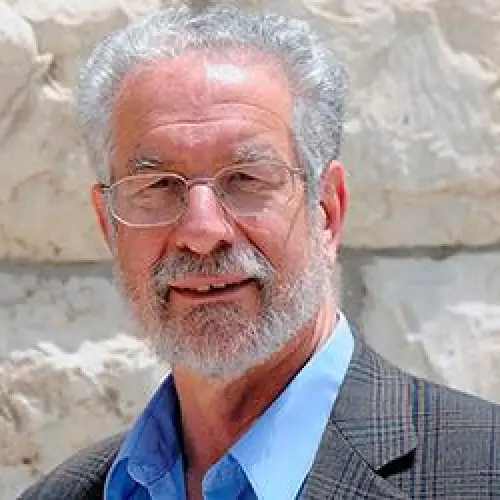
So says Mark Levin, author of “Unfreedom of the Press,” on the cusp of the second round of national elections in the Jewish state.
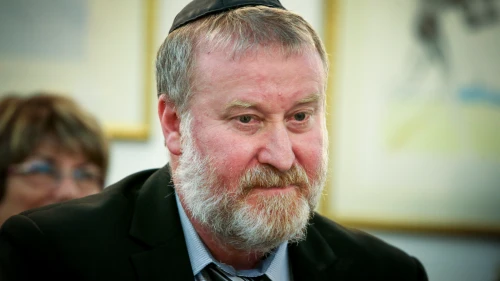
The initiative intends to combat alleged voter fraud in Arab towns by adding a “feeling of security” for workers at polling stations.
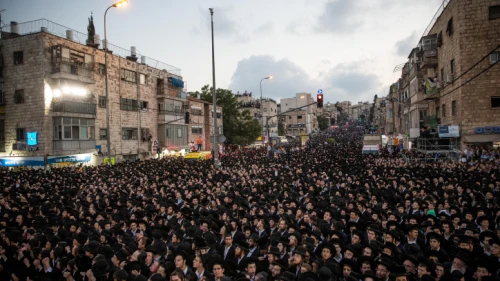
The Sept. 17 election is a struggle “over our right to be ultra-Orthodox, to observe the commandments, to lead a life of Torah and faith,” says UTJ Party leader Yaakov Litzman.
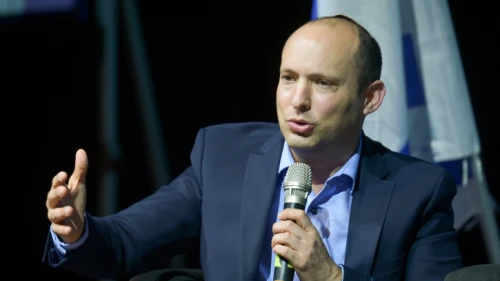
“It’s about balancing values,” says Yamina Party co-leader Naftali Bennett. “What do we do during half a year if we have rockets from Hezbollah and no prime minister? Israel is not Luxembourg.”
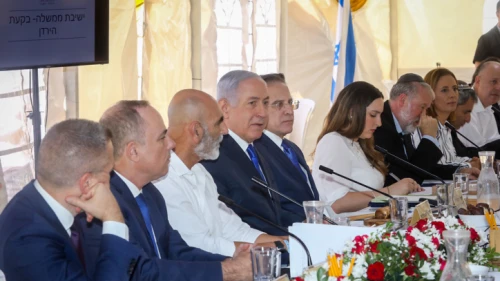
At the last weekly Cabinet meeting before national elections, Israeli Prime Minister Benjamin Netanyahu reiterated his pledge to annex the Jordan Valley, noting that the release of the Trump administration’s Mideast peace plan is imminent.
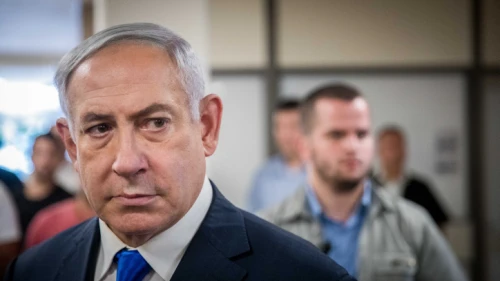
Only 32 percent of Israel’s Arab citizens intend to vote, 80.5 percent of them for the Joint List, according to a new poll. Nearly a quarter of respondents said Israeli Prime Minister Benjamin Netanyahu is most suited to lead the country.
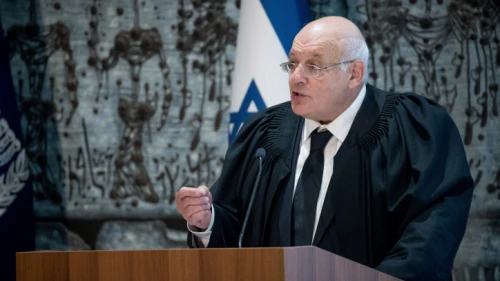
Likud says rampant Arab-sector voting fraud may have cost the party two seats in April • Gantz: Israeli Prime minister’s move is “political spin” designed to “lower voter turnout.”
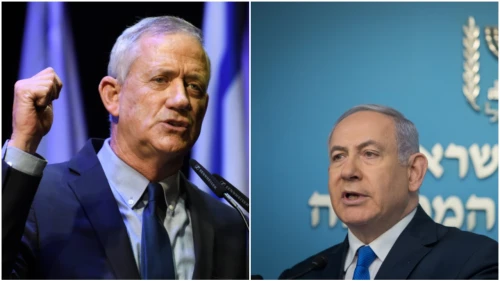
Predictions run 33 seats for the Likud and 31 for Blue and White, but show that a left-wing coalition that includes the Arab parties would win 62 seats, ensuring the right would be shut out.
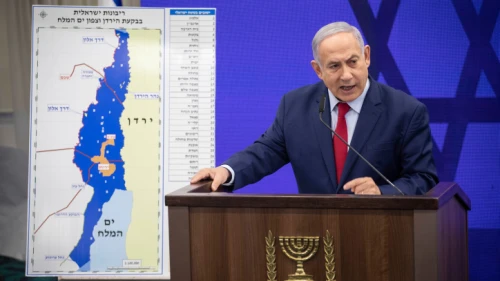
In a pre-election interview with Israel National News, Israeli Prime Minister Benjamin Netanyahu talks about annexation, Iran and the relationship with U.S. President Donald Trump.
Israeli Prime Minister Benjamin Netanyahu sits down with “Israel Hayom” for a pre-election interview that will run in full over the weekend.
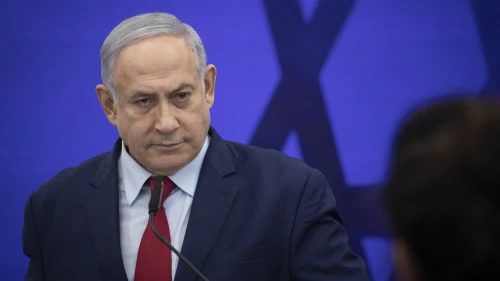
Despite the fact that many Israelis view retaining the Jordan Valley as a consensus issue, the prime minister was criticized from the right and left over the timing of the move, right ahead of the Sept. 17 elections.
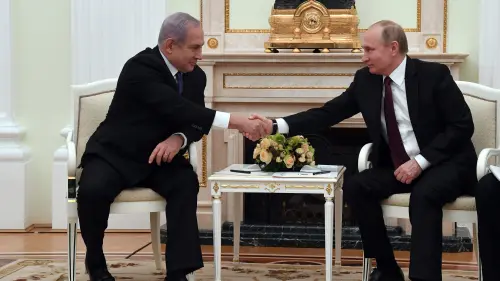
The Israeli prime minister also met with Russian President Vladimir Putin days ahead of the country’s April 9 election; it may be part of a strategy to woo voters in Israel who have Russian roots.