Israeli Elections
Kan poll shows Likud falling short of a right-wing majority, and is the second to put Blue and White ahead of Likud by a single seat.
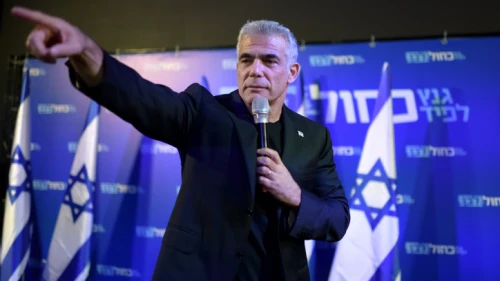
Blue and White Party No. 2 Yair Lapid calls the event “a red flag for the citizens of Israel”; Yamina leader Naftali Bennett: “Hamas has stopped fearing Israel.”
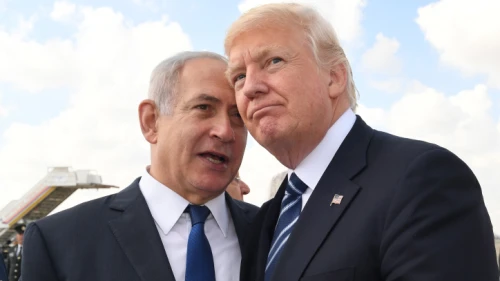
The Trump administration said that it will continue to push ahead with releasing its long-awaited Mideast peace plan after the Israeli elections.
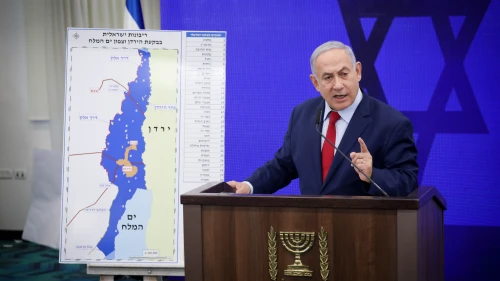
“The Prime Minister’s announcement is fully in line with Israel’s international legal rights. Because these territories were part of the British Mandate, Israel has as much legal right to them as to Tel Aviv,” said Eugene Kontorovich, director of international law at the Jerusalem-based Kohelet Policy Forum.
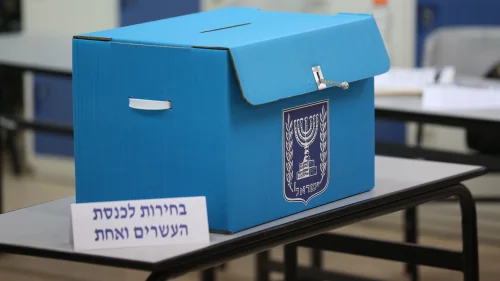
The legislation, called the Security Camera Law, was opposed by the Central Elections Committee, the Knesset’s legal adviser and Attorney General Avichai Mandelblit, who said it would undermine “the exercise of the fundamental right to vote” because voters would be scared off by the sudden appearance of filming in any form.
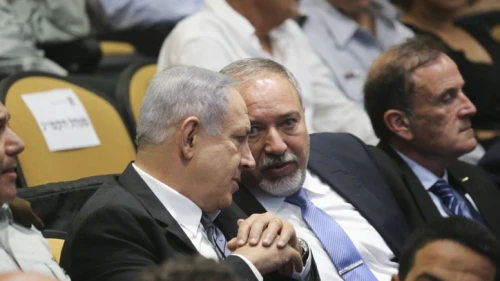
Israeli Prime Minister Benjamin Netanyahu blasts Yisrael Beiteinu leader for “joining the Arab parties” • Lieberman says “Netanyahu’s militias” were trying to “steal the elections.”
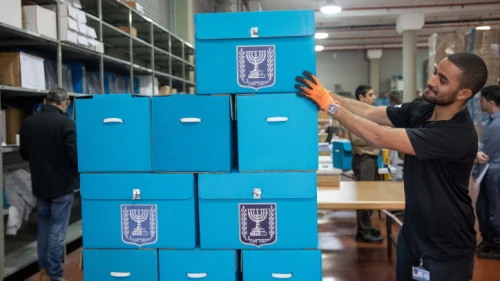
The lower turnout could be due to a number of factors, including voter fatigue and upcoming travel for the High Holidays.
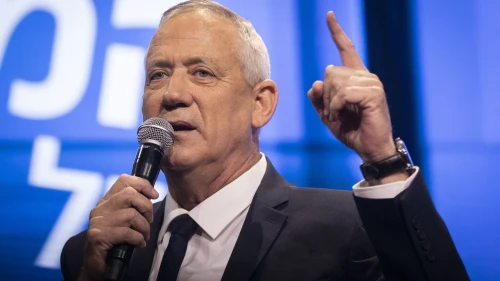
As the campaign enters its final week with parties shifting direction and messaging in their final push to win more votes, one thing remains for sure: No one knows how this election will end.
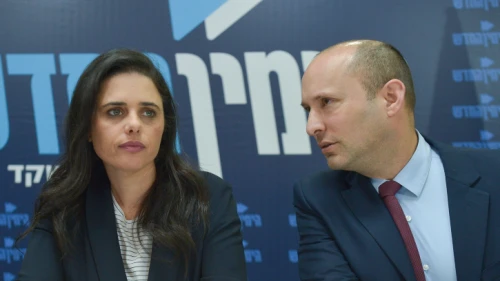
Yamina Party head Ayelet Shaked also called on Israelis not to vote for small right-wing parties that have little chance of passing the threshold and make it into the Knesset following the Sept. 17 elections.
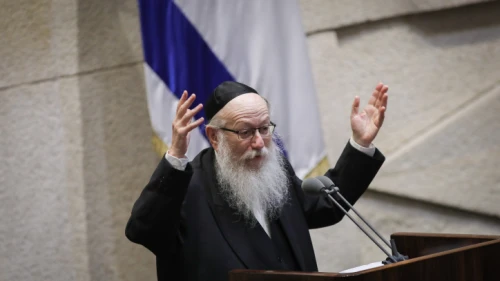
UTJ head Yaakov Litzman denounces Blue and White Party leader Benny Gantz following Gantz’s announcement that he would seek to form a “liberal” government if given the chance.
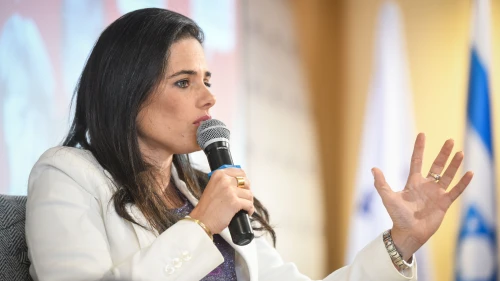
Heading a party polling consistently at 10 mandates, Shaked has been open about her nationalist vision for Israel, including the situation in Gaza, Israeli judicial reform and Jewish settlements.
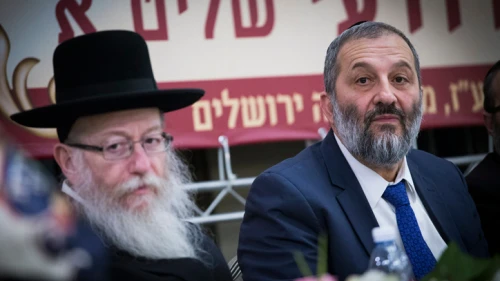
Israel’s ultra-Orthodox parties join forces to maximize their results; party leaders promise “full cooperation” in the new government.