The relationship between Moscow and Jerusalem has gone through many permutations. The Kremlin initially allied itself with PLO leader Yasser Arafat and other revolutionary groups. During the Six-Day War in June 1967, Russia allied itself with Arab states with some Sovietologists even arguing that Moscow had encouraged and escalated tensions, helping to provoke the war. In the last decade, the relationship between Israel and Russia seemed to reach a status quo. When Putin invaded Syria in 2015, he seemed to allow Israel into Syrian airspace, primarily for self-defensive operations.
When Russia invaded Ukraine in February 2022, Israel walked a very fine line, diplomatically supporting Ukraine but refusing to impose financial sanctions on Russia.
However, since Hamas’s terrorist attacks on Israel on Oct. 7, relations between Moscow and Jerusalem have been radically upended.
On Oct. 26, shortly after the Oct. 7 massacre, leading Hamas officials, including Abu Marzouk, visited Moscow. On Nov. 2, the Russian ambassador to the United Nations, Vasily Nebenzia, declared in a speech to the U.N. General Assembly that “Israel has no right to defend itself.” Since then, Israeli Prime Minister Benjamin Netanyahu has grouped Russia with Israel’s other existential enemies, including Iran, Hamas and Hezbollah.
What is Russia’s role in this new world order? What does Iran provide to Russia, and what is Russia getting out of its relationship with Iran and its proxy terrorist groups? And how is the United States to respond?
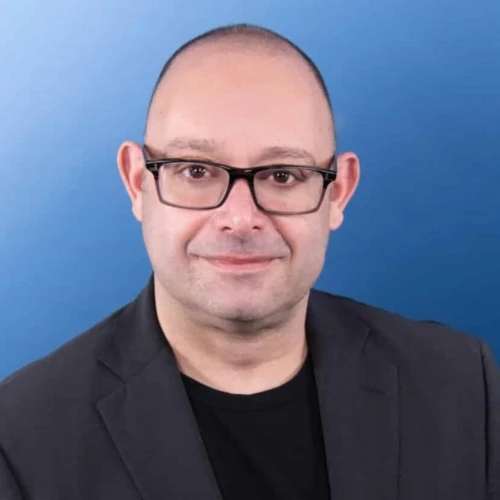
Here to discuss these questions and more is Dr. Stephen Blank.