Lebanon
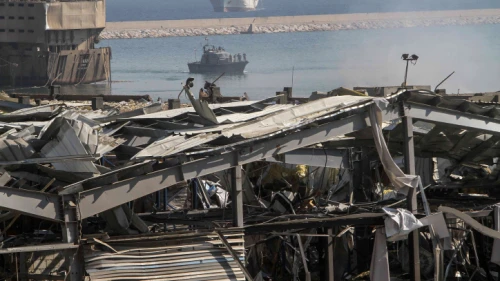
Fire breaks out in Beirut port as city recovers from Aug. 4 explosions
It comes after an earlier fire this week that was put out quickly.
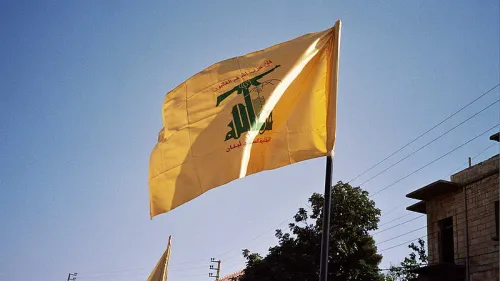
With sanctions, America seeks to leverage reform in Lebanon, including ensuring that Hezbollah no longer has a grip on the government.

“Today’s meeting is in Beirut ... tomorrow we will meet in Palestine and Al-Quds, God willing,” says Hamas leader Ismail Haniyeh.
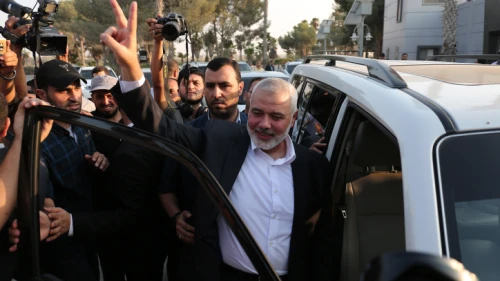
The terror groups held talks about how they can coordinate actions in light of the restrictions on movement into and out of Gaza, and the normalization deal between Israel and the United Arab Emirates.
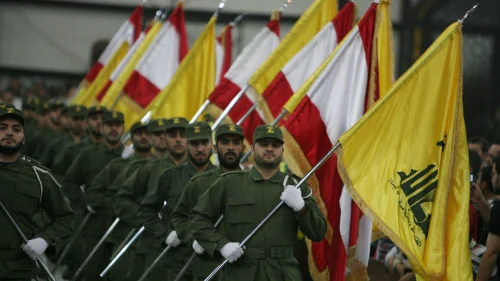
Despite no direct evidence tying Hezbollah to the explosions, Lebanon’s increased instability has the terror group scrambling to maintain the status quo and its position in the country.

An “unprecedented” media campaign is being waged against the “resistance,” says Hezbollah chief Hassan Nasrallah • U.N. Security Council reduces the size of its peacekeeping force in Lebanon, but expands the mandate.

“Our message to Hezbollah is sharp and clear: We will continue to thwart its attempts to gain achievements,” the commander of the IDF’s Galilee Division, Brig. Gen. Shlomi Binder.

The Cypriot owner of the vessel that brought the explosives to the Beirut port in 2013 is said to have taken a $4 million loan from a bank accused of laundering funds for the Lebanese terror group.
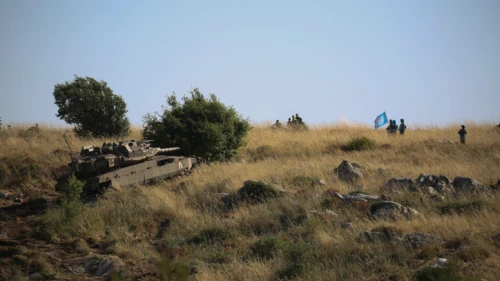
Hezbollah is “grossly violating international law” while growing in strength and arming itself with precision weapons, says IDF Chief of Staff Aviv Kochavi.

Growing claims that it has always been biased against Israel are prompting the re-evaluation of its effectiveness and even use.

Summary of ruling more than 2,600 pages • Prosecutors relied mostly on cellphone data of the accused Hezbollah members.

Israel’s Ambassador to the United Nations Gilad Erdan provided an intelligence photo showing terrorist cell’s route from Lebanon to the Mount Dov area in Israel.