


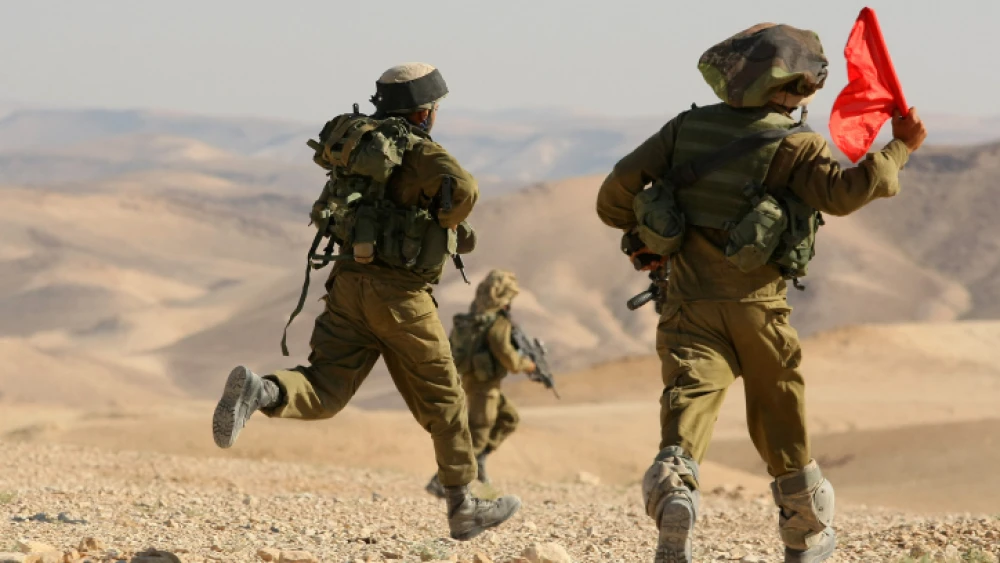
Dozens of Israeli soldiers left their base on Thursday in protest after commanders ordered the removal of signs and symbols associated with the unit’s internal traditions.
The soldiers serve in the Tsabar (“Cactus”) Battalion of the IDF’s Givati Infantry Brigade. The battalion has participated in numerous combat operations, including during the ongoing war against Hamas in Gaza and operations on Israel’s northern border.
The dispute reportedly centered on memorial displays and symbolic items inside the battalion’s companies, including flags and objects commemorating fallen soldiers and past military operations. Soldiers and their families argued that the removal process was handled insensitively, particularly after the fighters had recently returned from an extended deployment in Southern Lebanon.
Videos circulating on social media showed soldiers leaving the Sde Teiman base, located in the northwestern Negev, about six miles northwest of Beersheva, while chanting criticism of their commanders. The footage received significant attention online.
The IDF Spokesperson’s Unit said that soldiers from a combat battalion left their base without authorization after the battalion commander ordered the removal of signs connected to “non-normative events” related to the battalion’s “young-veteran” tradition.
“The incident is being investigated and handled by the commanders,” the IDF said in a statement. “This is an event that is not in line with the values of the IDF and what is expected of its soldiers.”
Israel National News reported that anyone who returned to the base by 4 p.m. would be escape punishment. The report added that 100 soldiers had left the base, and all but one platoon returned.
The military stressed that the instigators will stand trial before the commander of the Givati Brigade and will face appropriate punishment.
The soldiers, however, disputed the military’s description of the incident. According to reports, they said the symbols represented the battalion’s heritage and had accompanied them during fighting in Gaza and Lebanon. Some soldiers alleged that commanders destroyed some of the signs, including using a hammer, though the claim was not independently verified.
The Givati Brigade recently completed operations against Hezbollah infrastructure in Southern Lebanon, including missions near areas such as Beaufort Ridge and Bint Jbeil. IDF commanders praised the brigade’s performance.
Israeli media reported that brigade leadership has recently sought to address disciplinary issues and practices it considered inappropriate. Commanders reportedly instructed soldiers to remove certain symbols, but negotiations failed, leading to the soldiers leaving the base.
The IDF said the incident would be investigated and handled through the military chain of command.



