


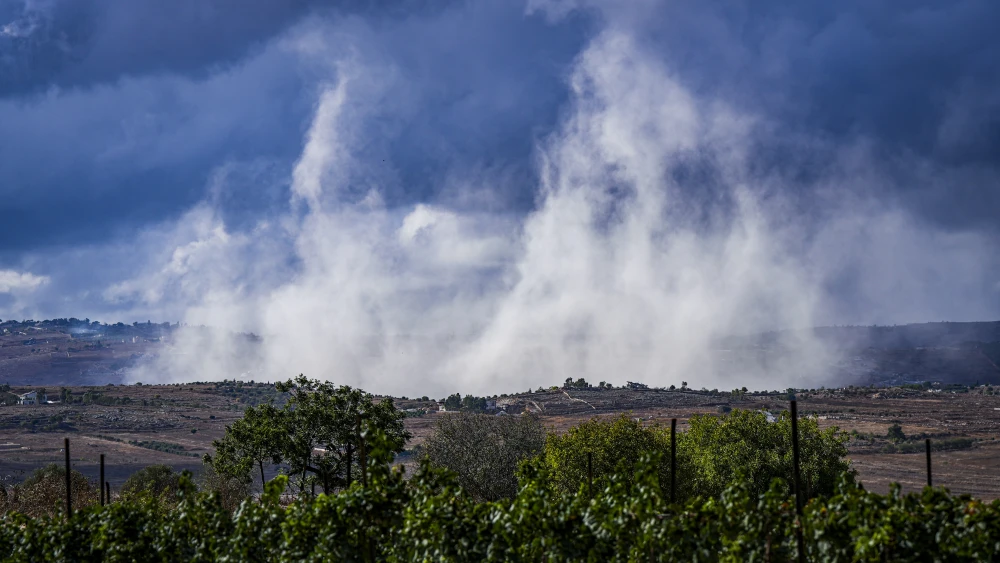
The Israel Defense Forces carried out a strike on Saturday on a Hezbollah weapons storage facility in the Sejoud area of Southern Lebanon, the military said.
The weapons stored in the facility, located in a mountain village some 7.6 miles north of Beaufort Castle, were used to target IDF soldiers operating in the Security Zone, the IDF said.
“The IDF will continue to operate to remove immediate threats,” the army continued, adding that “Any use of force from Lebanese territory in order to harm Israeli civilians or IDF soldiers will be met with a decisive response.”
Israeli forces remain deployed in the Security Zone that runs a few miles north of the Lebanese border from the Mediterranean Sea to the Mount Hermon area, in accordance with the ceasefire agreement with the Lebanese government.
Jerusalem and Beirut signed a U.S.-brokered framework agreement on June 26, aimed at disarming nongovernmental armed forces across Lebanon, as a path toward lasting peace between the two nations. Ongoing talks have focused on the technical steps to achieve this purpose, with pilot zones designated for deployment of the Lebanese army, to test its capacity to battle Hezbollah and dismantle terrorist infrastructure.
Last week, two IDF soldiers were lightly wounded when their engineering vehicle drove over an explosive device belonging to Hezbollah in Southern Lebanon.
The soldiers were evacuated for medical treatment, and their families were notified.
In response, the IDF struck Hezbollah infrastructure in several areas of Southern Lebanon, including observation posts and other sites used by the Iranian-backed terrorist group to plan and carry out attacks on Israeli soldiers.



