Keren Kayemeth LeIsrael-Jewish National Fund (KKL-JNF) has approved a 273 million shekel ($93 million) development boost for northern Israeli communities, the organization said on Sunday.
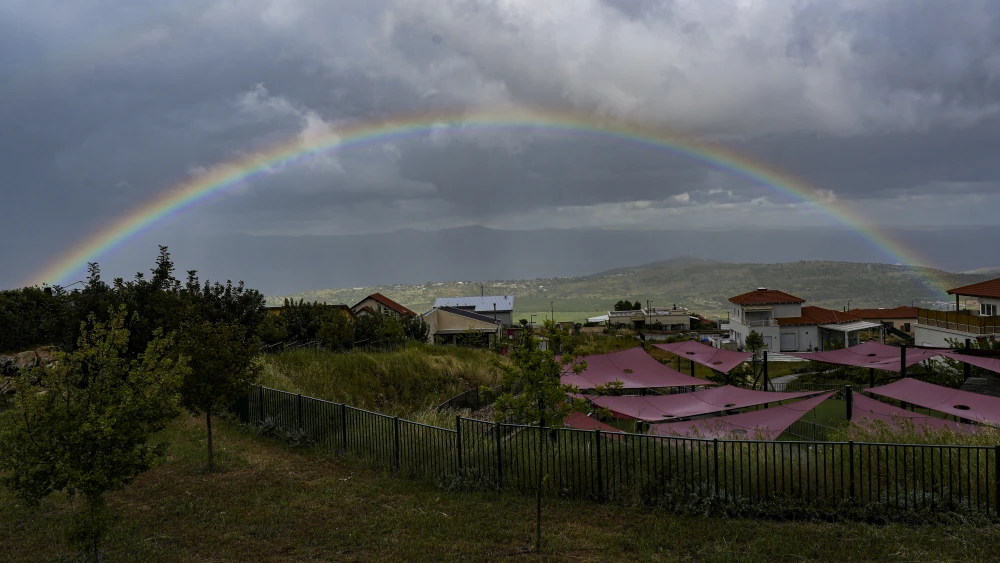
The financial package, which KKL-JNF said was one of the largest approved for northern Israel amid the war with Iranian-backed Hezbollah in Lebanon, includes budgets for rebuilding infrastructure and upgrading security, as well as funds to develop housing initiatives and other projects aimed at strengthening border communities.
KKL-JNF said 145 million shekels ($49.7 million)of the allocation would go toward towns along the border, with 115 million shekels ($39.4 million) designated for rehabilitation and infrastructure development in 11 communities adjacent to Lebanon: Misgav Am, Malkia, Margaliot, Kfar Yuval, Dovev, Avivim, Shtula, Zar’it, Hanita, Adamit and Arab al-Aramshe.
An additional 20 million shekels ($6.9 million) will be used to upgrade and develop security roads in coordination with Israel’s Defense Ministry, to be used during emergencies and military activity.
KKL-JNF also approved 10 million shekels ($3.4 million) for the renovation of the amphitheater at the Ghetto Fighters’ House Museum in the Western Galilee, a project the organization said is intended to create a “significant regional center for culture and leisure.”
The organization approved a separate 128.5 million shekel ($44 million) assistance program for the Golan Heights.
Under the plan, 70 million shekels ($23.9 million) will fund projects led by the Golan Regional Council, including agricultural training programs, the development of new rural communities and the construction of public buildings.
In Katzrin, the capital of the Golan Heights, 45 million shekels ($15.4 million) will support projects including the establishment of a KKL-JNF House of Excellence, environmental development works and the renovation of public parks.
Another 13.5 million shekels ($4.6 million) will be allocated for the purchase of residential housing units in Katzrin to accommodate volunteer groups and graduates of pre-military preparatory academies.
“Our commitment at KKL-JNF to the development of the north is taking on another practical expression today as part of a series of measures that reflect a clear strategy,” said KKL-JNF Chairman Eyal Ostrinsky.
“The north has long ceased to be a local story and has become a national priority of the highest importance, and we at KKL-JNF are taking responsibility and standing alongside the authorities and communities there,” the statement continued.