Iran is moving billions of dollars a year through the U.S. banking system, enabling it to launder money and evade sanctions on a massive scale, The Wall Street Journal reported on Saturday. Western officials and investigators at financial institutions told the newspaper that billions of dollars in Iranian funds pass through clearing accounts at US banks each year despite sanctions barring almost anyone subject to U.S. law from participating in most financial activity connected to Tehran.
Iran gains access to the accounts through foreign partners that maintain relationships with American banks, using the more than century-old system known as correspondent banking, according to the report. The system helps connect the global financial network, but also provides Tehran with numerous avenues for secretly gaining access to it.
The Trump administration has recently moved to put foreign banks processing dollar transactions for Iran through U.S. correspondent accounts on notice. Officials have also pressed American banks to step up scrutiny of transactions potentially linked to Iran.
Detecting such transactions can be difficult, however, because Iran uses a complex network of shell companies and other methods to conceal them. On Aug. 28, the U.S. Treasury Department identified the United Arab Emirates branch of Egypt’s state-owned Banque Misr as one of the foreign financial institutions it believes is helping Iran gain access to the U.S. banking system, and moved to cut off that access.
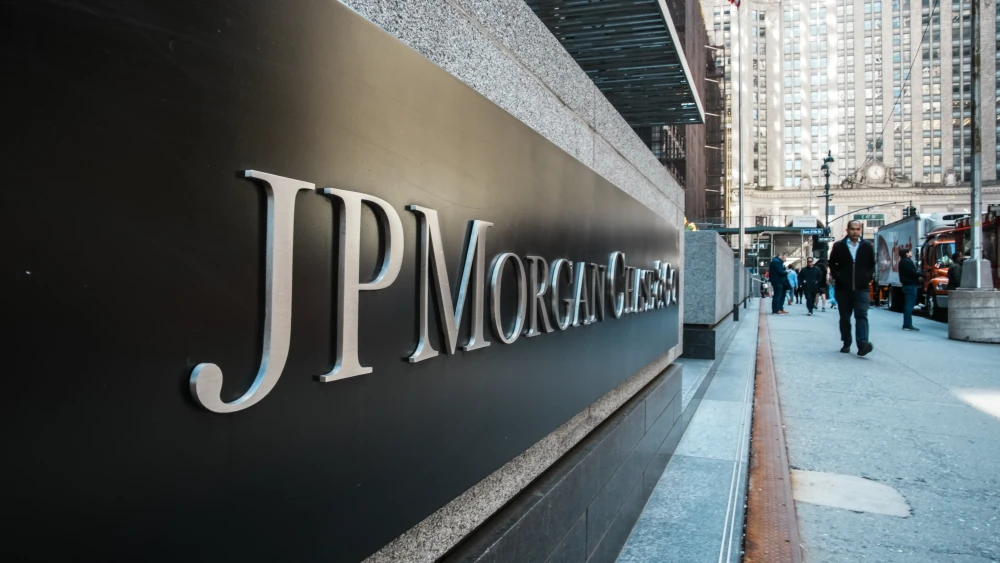
Banque Misr UAE used U.S. correspondent accounts to process approximately $1.8 billion for companies potentially connected to Iranian shadow-banking networks, U.S. officials said. The Treasury Department said Banque Misr UAE maintained U.S. dollar correspondent accounts with three American banks, but did not identify them. Banque Misr lists JPMorgan Chase and Citigroup on its website among institutions with which it maintains accounts. Both banks declined to comment on the Treasury action.
Egypt’s Foreign Ministry said it was in contact with U.S. authorities regarding the Treasury Department’s allegations. Banque Misr said, meanwhile, that it was engaging with the Treasury Department and complies with “applicable regulatory and legal frameworks.” Its branches in the United Arab Emirates were operating normally, the bank said late last week.
The latest action was part of the Trump administration’s “Operation Economic Outcast,” a broad pressure campaign aimed at tightening the economic squeeze on Iran in an effort to force concessions and bring an end to hostilities in the Middle East. Washington has warned world leaders to sever ties with Iran or risk secondary sanctions, including the threat of being cut off entirely from the U.S. dollar financial system.
Originally published by Israel Hayom.