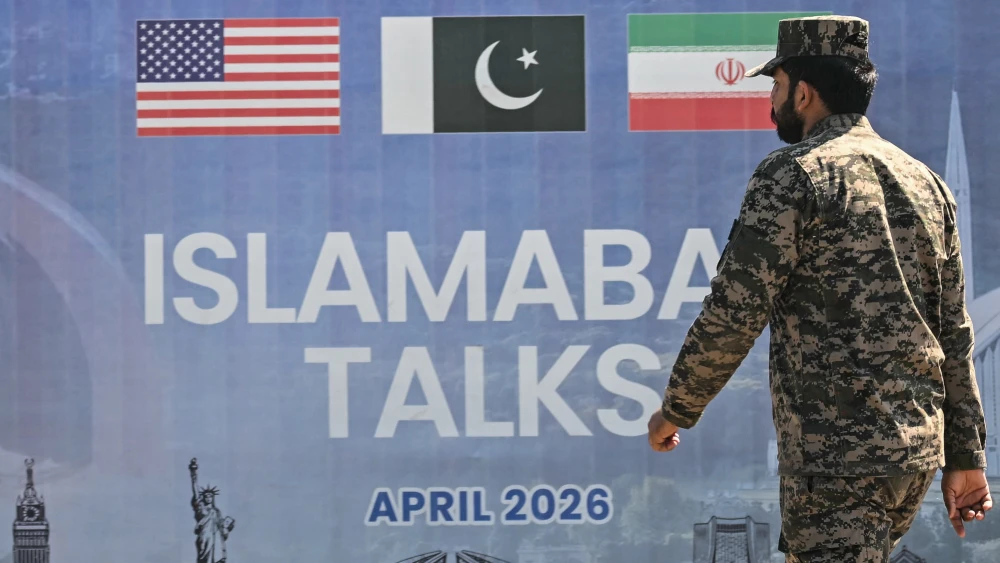
U.S. and Iranian negotiating teams could return to Islamabad as early as this weekend for a fresh round of talks aimed at easing their conflict, five sources told Reuters on Tuesday.
A source involved in the discussions said no date had been set but both delegations were keeping Friday through Sunday open for a possible meeting.
Two Pakistani officials said Islamabad was in contact with both sides about timing and had received a positive response from Tehran about a second round.
The prospective talks would follow high-level meetings in Pakistan’s capital last weekend led by U.S. Vice President JD Vance and Iranian parliamentary speaker Mohammad Baqer Qalibaf, the most senior direct engagement between Washington and the Islamic Republic in decades.
Vance described Washington’s proposal emerging from those talks as its “final and best offer” and said it would now be up to Iran to decide whether to accept it.
The collapse on Sunday of marathon negotiations with the Islamic regime aimed at ending almost six weeks of war, placing a fragile two-week ceasefire at risk. Jerusalem and Washington launched joint military operations against the Iranian regime on Feb. 28, with the ceasefire announced by U.S. President Donald Trump on April 7.
Washington has set out firm red lines in further talks with Tehran, including an end to all uranium enrichment, dismantling major enrichment facilities, recovering highly enriched material, fully reopening the Strait of Hormuz without tolls, securing a broader peace that covers regional allies and halting support for terrorist proxies such as Hezbollah in Lebanon and Yemen’s Houthi rebels, according to two U.S. officials briefed on the negotiations and cited by The Wall Street Journal.
The Trump administration has made clear that Iran’s enriched uranium is the “central issue” in the negotiations with the Islamic Republic, Israeli Prime Minister Benjamin Netanyahu said on Monday.
Vance called Netanyahu following the breakdown in the Islamabad talks and clarified “that the central issue on the agenda for President Trump and the U.S. is the removal of all enriched material, and ensuring there is no more enrichment in the coming years, and this could be for decades—no enrichment inside Iran,” the Israeli leader told reporters at a Cabinet meeting in Jerusalem.
“This is their focus, and of course, it is important to us as well,” said Netanyahu.