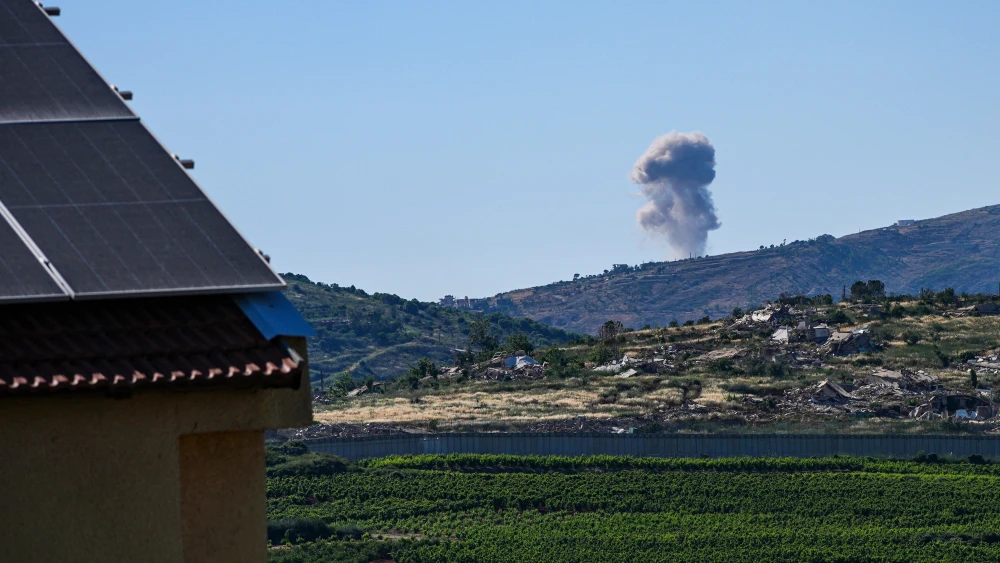

On the streets of Israel, it’s easy to spot the sourness and bitterness regarding events on the northern front—from children running to bomb shelters to the devastating drone attacks. The difficult conversation between U.S. President Donald Trump and Israeli Prime Minister Benjamin Netanyahu didn’t help the mood.
These feelings do not reach the upper levels of the Israel Defense Forces, which speak of an achievement unseen in years, and of an opportunity for peace and quiet for a long time to come. Reconciling these two pictures isn’t possible, but describing them is.
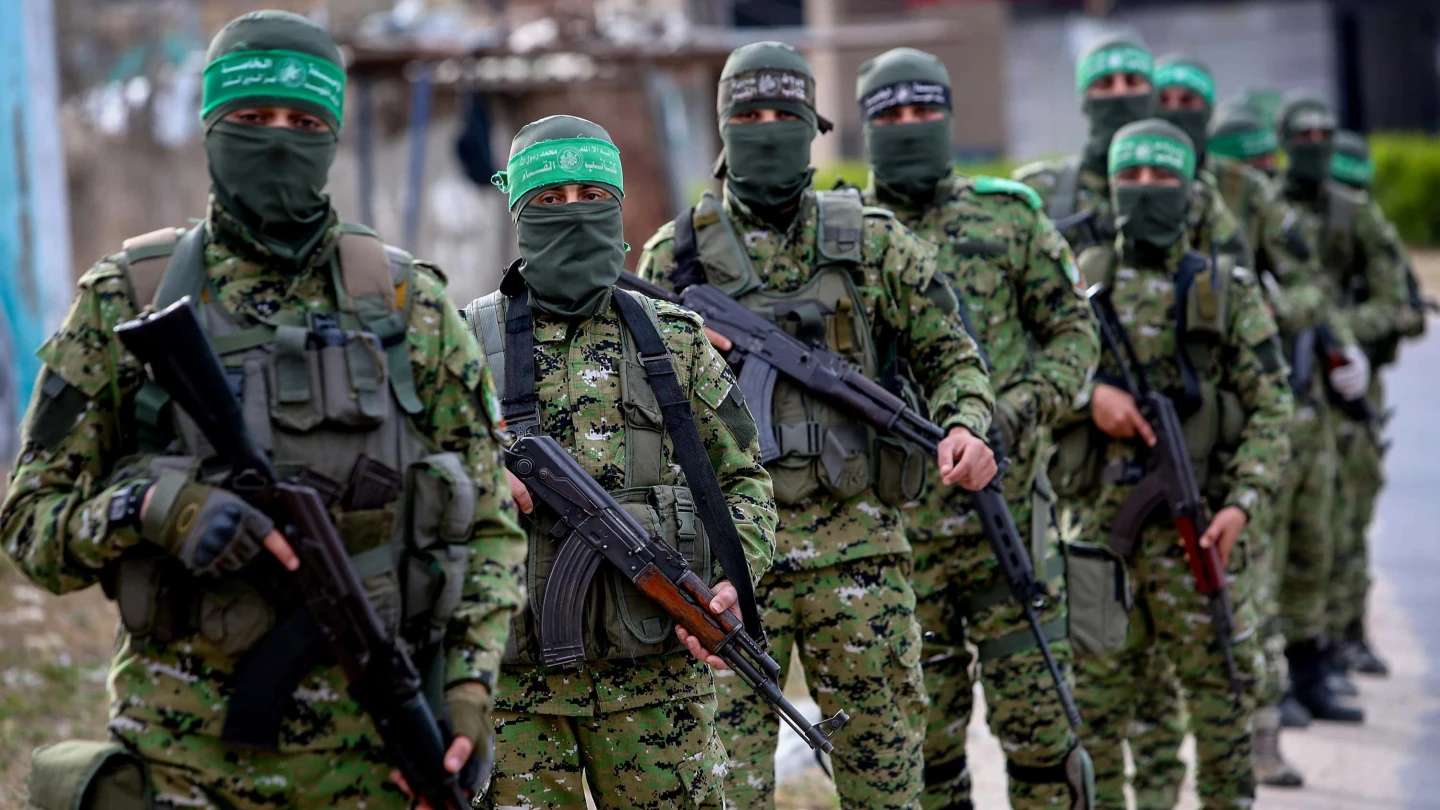
The top brass of the Israel Defense Forces is convinced that Hezbollah is a semi-dismantled organization that has absorbed the hardest blow in its history. It had 30,000 operatives on Oct. 6, 2023; since then, 8,000 have been killed and about the same number wounded. “Even a jihadist enemy is dying for a ceasefire.”
The chief of staff, for instance, said in closed discussions that he is in favor of an agreement, under the following conditions: One, Hezbollah’s withdrawal beyond the Litani River. Two, the destruction of all its infrastructure, this time not by the impotent Lebanese Army, but by an Israeli-American mechanism. Three, an IDF presence in Southern Lebanon, which includes, for example, the Beaufort Castle.
In retrospect, the IDF dislikes the phrase “Hezbollah fell into a strategic ambush,” which a senior military official used on the day the organization came to Iran’s aid at the start of “Roaring Lion” and opened fire.
“Even before the war, we saw that the organization was increasingly struggling to absorb the Israeli blows; they were on the verge of responding even without Khamenei’s assassination,” he said.
The army was furious with reserve generals who went on television panels to criticize what they saw as an overly harsh Israeli response to a symbolic barrage in memory of the supreme leader.
“They probably don’t understand what we saw in the first week of March,” they say. “Hundreds of Radwan terrorists crossing the Litani. Why did they come? If there had been even one raid on a single community, we all would have had to pack our bags and resign. What were we supposed to do if not meet them on their own turf and kill them?”
Since then, Hezbollah has focused on its only success: drones. The defense establishment suggests managing the expectations of the public, since there will not be a single comprehensive solution for drones, such as the Iron Dome format. There will be many solutions that together will create a partial response.
“No weapon introduced to the battlefield has ever disappeared; it only evolved. Tanks are here to stay, anti-tank missiles likewise, planes and now drones,” they note.
However, they emphasize that the agreement could be here within days to weeks. If they could, they would urge the residents of Kiryat Shmona and Nahariya to suffer for a few more weeks and receive an agreement that will bring peace for many years to come.
It’s been a long time since I’ve seen such a gap between harsh public sentiment and sweeping optimism at the top. How long? Twenty years minus two months, at the end of the Second Lebanon War. Back then, the public was right that the war was a dismal failure and Hezbollah had grown stronger; hopefully, this time the decision-makers are right.
Originally published by Israel Hayom.