
Since 2006, U.S. presidents have issued proclamations in recognition of the contributions Jewish people have made to the growth and success of the United States. Jewish American Heritage Month, celebrated in May, was again acknowledged this year. In his May 4 proclamation, U.S. President Donald Trump included the following tribute:
On July 4, which will mark 250 years since the signing of the Declaration of Independence, we will pay homage to the brave actions taken by 56 delegates who mutually pledged “our lives, our fortunes and our sacred honor” as they signed the document, fully aware of the fact that their signatures were acts of treason against the British Crown.
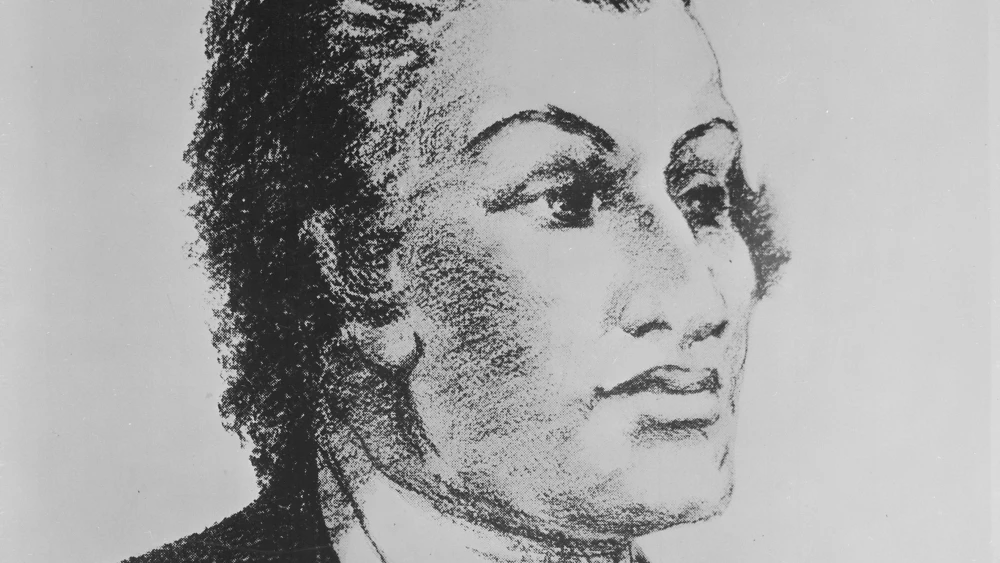
The pride and determination of these Founding Fathers were bolstered by a Jewish man who was also in search of liberty. Haym Salomon, a Sephardic Jew whose ancestors had fled the Portuguese Inquisition 300 years earlier, left his birthplace in Poland amid political upheaval and rising insecurity for Jews. Upon his arrival in New York City in 1775, he witnessed British oppression and quickly identified himself with the cause of the patriots, joining the Sons of Liberty.
Arrested by the British in New York for his loyalty to the patriot cause, Salomon escaped to Philadelphia in 1778. There, he flourished as a banker and financial broker. Fluent in multiple languages, his business acumen and personal integrity earned him the trust and respect of European financial houses.

The War of Independence, which began in 1775, had the support of some 40% to 45% of the population. Funding the war, especially when taxation was not permitted under the Articles of Confederation, required financial deftness and determination.
Salomon played a crucial role by brokering French and Dutch loans, selling bills of exchange and personally advancing non-interest-bearing loans (which were never repaid) in order to support the war effort. In short, Salomon bankrolled the early Continental Congress and likely kept the fledgling republic afloat.
Albert Bushnell Hart, a professor emeritus of history at Harvard University, noted of Salomon: “It looks as though his credit was better than that of the whole thirteen United States of America.”
Robert Morris, superintendent of finance for the Continental Congress from 1781-1784, appointed Salomon as official broker to the Office of Finance. According to entries in Morris’s diary, Salomon made private loans to prominent statesmen such as James Madison, Thomas Jefferson and James Monroe, on which Salomon would not charge interest.
Madison wrote a letter to Edmund Randolph (who would later become U.S. Secretary of State) on Sept. 30, 1782, in which he referred to Salomon’s generosity:
An entry in the Congressional Record dated March 25, 1975, records California Rep. George Danielson as saying,
Over those three years, Salomon’s fundraising and personal lending helped provide $650,000 for the American cause—approximately $15.1 million in today’s money.
He also raised thousands of dollars for food and clothing for the Continental Army and personally guaranteed all debts incurred by the Revolutionary forces. Simon Wolf, in his 1895 book The American Jew as Patriot, Soldier and Citizen, sums up the role played by Salomon, noting that “the monetary contribution by Haym Salomon to the successful issue of the Revolutionary struggle was doubtless the largest made by any individual.”
The Jewish population of the 13 colonies at the time of the war was only 2,500 out of a total of 2.5 million. It is estimated that as many as 90% of American Jews supported the patriot cause, including Haym Salomon’s brother-in-law, Lt. Col. Isaac Franks (his wife’s brother), who served in George Washington’s army.
By 1781, with the war in its sixth year and resources dwindling, Gen. George Washington was in dire need of $20,000 for a crucial battle. He sent word to Morris, who responded that the troops were on the verge of mutiny. According to a widely reported account, Washington wrote back: “Send for Haym Salomon.”
The money, secured by loans through Salomon’s brokerage company, was raised within days, enabling Washington’s troops to continue on to Yorktown and deliver the decisive blow that forced Lord Cornwallis to surrender, leading to the war’s end.
Salomon sacrificed nearly his entire fortune to American independence. When he died suddenly in Philadelphia on Jan. 6, 1785, at just 44 years old, he left his wife and young children penniless, as the government had not repaid most of the money that Salomon had advanced.
His contribution went mostly unacknowledged for many years. But in 1975, the U.S. Postal Service issued a stamp in his honor, describing him with these words: “Financial hero—Businessman and broker: Haym Salomon was responsible for raising most of the money needed to finance the American Revolution and later to save the new nation from collapse.”
Happy 250th birthday, America—with gratitude to our founders, the brave soldiers who fought gallantly and those like Haym Salomon, who financed a young nation and propelled it to victory.