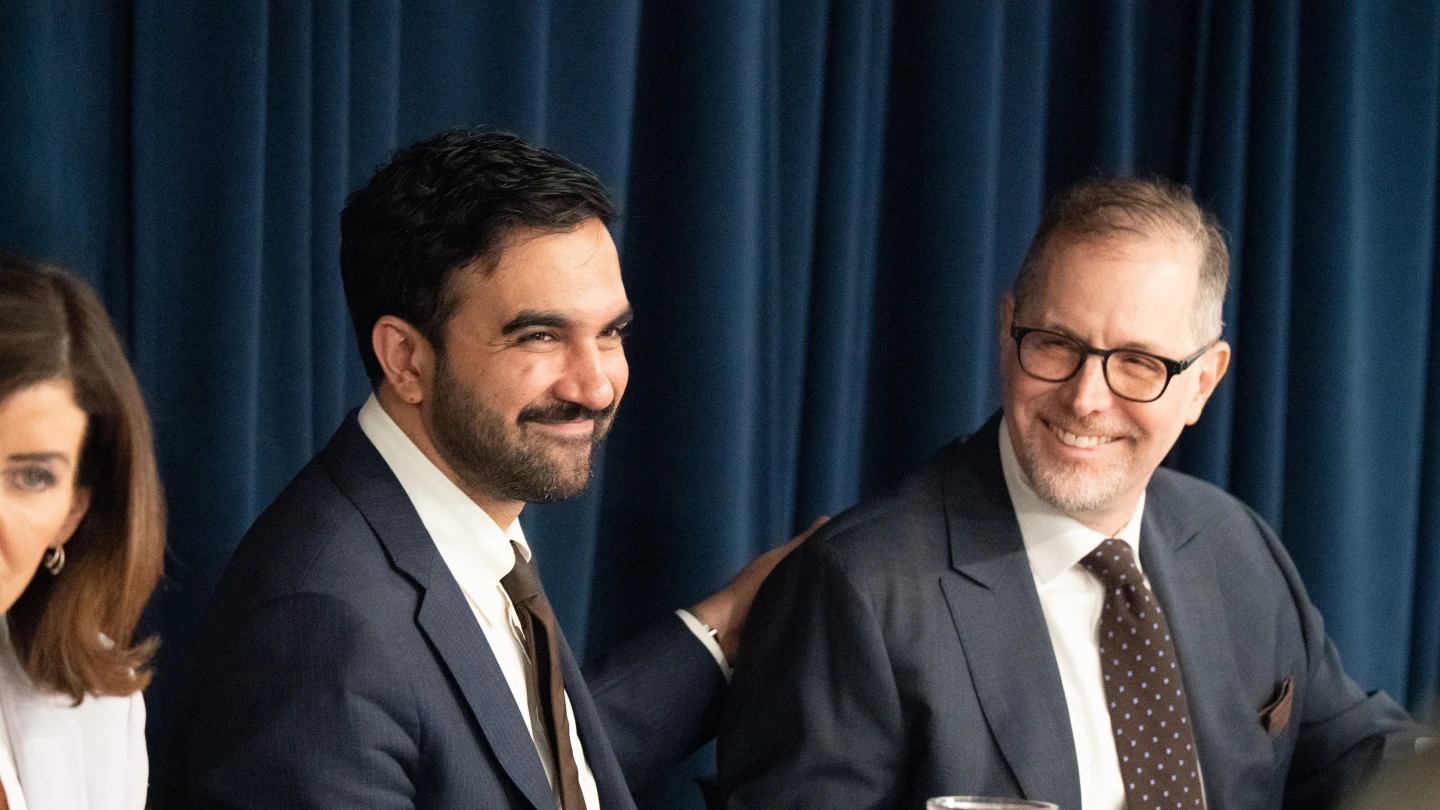
I had the honor of accompanying Knesset Speaker Amir Ohana last month on an official visit to Japan, the first visit of a Knesset speaker in 26 years.
What follows are a few reflections from this important trip, offering a glimpse into Israeli diplomacy and into Israel-Japan relations in the broader context of human connection.
To give a personal voice to the plight of the Israeli hostages, the father and brother of Guy Gilboa-Dalal, who remains in Hamas captivity in the Gaza Strip, also accompanied the Knesset speaker on this trip.
Over the course of a week, Ohana met leading figures in Japan’s government and the local Jewish community, clarifying Israel’s position on key issues. The delegation also paid tribute to loyal friends, including spending an evening with the pro-Israel Makuya movement and visiting the grave of the legendary Japanese diplomat Chiune Sugihara, who courageously risked his career and life to save thousands of Jews during the Holocaust. In addition, Ohana gave interviews and addressed a press conference at the Foreign Correspondents’ Club of Japan, where he and the Gilboa-Dalal family discussed current developments and highlighted the ongoing anguish of the hostages.
Some critics claim that the Israeli government neglects the public diplomacy battle; others dismiss official visits abroad as “pleasure trips.” Both claims are false. This was an intense, important visit, packed with official engagements and undertaken despite the discomfort of long travel and heavy schedules for the benefit of the State of Israel.
Another myth is that diplomacy in the modern era has lost its charm or relevance, or that pro-Israel advocacy is futile given fake images and propaganda from Gaza.
Our meetings proved the opposite. There is no substitute for face-to-face dialogue, where facts can be presented directly, and trust can be built. With senior officials that included the speakers of both Japanese houses of parliament, the deputy foreign minister, the minister of defense and other cabinet members, we found that trustworthy information, conveyed personally, can be a game-changer.
Discussions covered a range of topics: Israel’s military campaign against Hamas, the nature of the seven-front war and its repercussions for the free world in its struggle against the forces of radicalism, the reshaping of the Middle East following Israeli achievements, the fake Palestinian narrative of starvation in Gaza, the suffering of the Israeli hostages and the ties between Israel and Japan.
One of the notable outcomes was Japan’s recognition of the risks of supporting a Palestinian state, a position reached by presenting clear facts and reasoned arguments rather than populist slogans.
It was heartening to see Japan’s openness and willingness to listen. Despite the vast geographical distance, Israel and Japan share much in common: a respect for ancient heritage, a rich culture and industrious citizens. Both nations have risen from the ashes of the past to build innovative futures, live in a constant and complex geostrategic environment, yet choose progress and prosperity.
One particularly meaningful moment was finding common ground in the shared trauma of civilian abductions. Japan suffered the kidnapping of its citizens by North Korea. When we acknowledged their pain, they responded with empathy toward Israel’s hostages. When we attached their blue hostage pin, they attached our yellow pin.
I returned from this visit with the satisfaction that it deepened Japan’s understanding of Israel’s situation, highlighted the plight of hostages held in the tunnels of Gaza and strengthened the nations’ bonds.
This was my first visit to Japan, and I left with an important lesson: Affinity is not determined by geography but by shared values.
Today, Japan and Israel stand together as freedom-loving nations, facing the common threat of violent extremism. That shared belief in freedom makes us true friends and allies. Japan and Israel must also remain united in facing extreme and radical forms of Islam, like Hamas, that despise liberty and seek only hatred, death and destruction.