
In an age when diplomatic loyalties often shift like sand in the desert, genuine friendship between nations is both precious and increasingly rare. Israel has no shortage of friends willing to issue polite statements, abstain on controversial resolutions or maintain “working relations.” But true allies—those who stand with the Jewish state not only when it is convenient—are few and far between.
Among the most steadfast of them is Guatemala, a small Central American country with an outsized moral compass. Strengthening ties with this nation is a strategic imperative for Israel—one rooted in gratitude, shared values and growing economic opportunity.
Guatemala’s friendship with the Jewish people stretches back nearly eight decades. At a pivotal moment in our national rebirth, when the United Nations voted on the partition plan between Jews and Arabs on Nov. 29, 1947, the Guatemalan delegation did far more than vote “yes.” Its representative, Ambassador Jorge García Granados, became one of the most forceful advocates of Jewish statehood, organizing a lobby of Central and South American countries to support the establishment of Israel. His efforts shaped history, and Guatemala became the first Latin American nation to recognize the new Jewish state.
That friendship has endured. In 2018, Guatemala again demonstrated its moral clarity when it became the first nation after the United States to relocate its embassy to Jerusalem, standing firm despite pressure from larger powers. That year, the Guatemalan parliament also established a National Day of Friendship with Israel, which is celebrated annually on May 14 with pro-Israel marches and other activities.
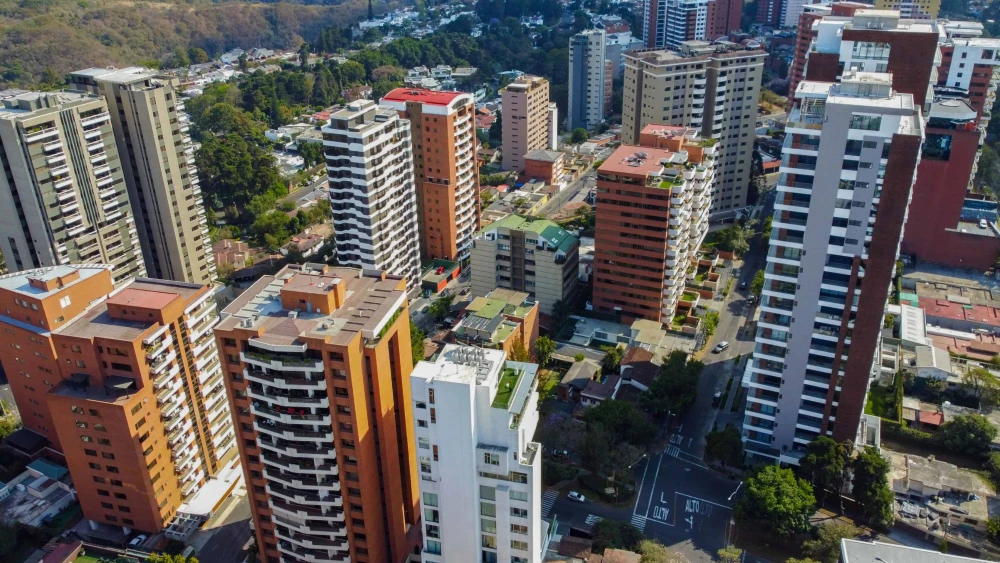
Incredibly, there are dozens of cities throughout Guatemala with streets named “Jerusalem, Capital of Israel,” as well as parks and other public areas. This includes the capital, Guatemala City, making it the only capital in the world with a street bearing such a name.
One of the most tangible signs of the bilateral relationship between the two countries is the Israel-Guatemala Free Trade Agreement (FTA), a far-reaching yet underutilized mechanism for closer cooperation that went into effect in 2024. The FTA removes tariffs on most goods, streamlines regulatory processes and incentivizes Israeli companies to enter the Guatemalan market. It should become a central driver of expanded trade missions, agricultural modernization and technological innovation.
Guatemala’s economy stands to benefit immensely from Israeli expertise in areas ranging from water management and drip irrigation to cybersecurity, public health and renewable energy.
But this partnership should not be Israel’s responsibility alone. American Jewry, one of the most influential Diaspora communities in the world, has a vital role to play. Jewish philanthropists, business leaders and advocacy groups can work to strengthen Guatemala’s infrastructure, encourage Israeli investment, and support humanitarian and educational initiatives that deepen goodwill between this Central American country and the Jewish people. By engaging Guatemala proactively, American Jewry can reinforce the alliance that has existed for generations and help anchor a pro-Israel presence in a strategically important region.
Guatemala’s internal relationship with its Jewish community also deserves recognition. Though small in number (estimated at several hundred), Guatemala’s Jewish community has long punched above its weight, contributing significantly to the country’s cultural, economic and civic life. Its institutions, including synagogues, educational centers and communal organizations, have formed bridges of understanding between Guatemala and the Jewish world.
Remarkably, Guatemala is also home to the first Holocaust museum in Central America. Established in Guatemala City, this museum stands as a beacon of remembrance and education in a region where knowledge of the Shoah is limited. Its presence signals a deep respect for Jewish history and an earnest commitment to teaching future generations about the dangers of hate. That a nation of Guatemala’s size felt compelled to take such a step speaks volumes about its values and about the profound connection it feels to the Jewish people.
This cultural and moral foundation makes Guatemala fertile ground for deepening ties. It is a deeply Christian nation where an affinity for Israel resonates across churches, civil society and political leadership. Strengthening educational exchanges, Christian tourism to Israel, leadership missions and people-to-people initiatives—supported, in part, by American Jewish institutions—can cultivate a new generation of Guatemalan leaders who see Israel not merely as an ally but as a partner in faith, progress and shared moral purpose.
Diplomatically, Guatemala’s voice carries symbolic weight across Latin America, a region where Israel seeks greater engagement. A robust Israel-Guatemala relationship serves as a model for others and can help expand the Jewish state’s reach at a time when hostile blocs seek to isolate it.
At a moment when too many nations condemn Israel reflexively or bend to antisemitic pressure campaigns, Guatemala continues to exemplify integrity and moral vision. Israel—and the Jewish people everywhere—must honor that courage.
Deepening ties with Guatemala is not merely diplomatically wise. It is an act of gratitude, a strategic necessity and a moral responsibility. Together, Israel and American Jewry should embrace Guatemala with open arms and build a partnership that reflects the values that have brought our nations and peoples together for generations.