
As we await the release of the actual text of the U.S.-Iran agreement, it is worth stepping back to assess how we got to this point.
It began with the United States and Israel building significant leverage over Iran through coordinated and effective military operations. Then, beginning with the April 8 ceasefire, U.S. President Donald Trump consistently and unilaterally relinquished that leverage. Whatever the agreement is, it is likely far worse for the United States than it needed to be.
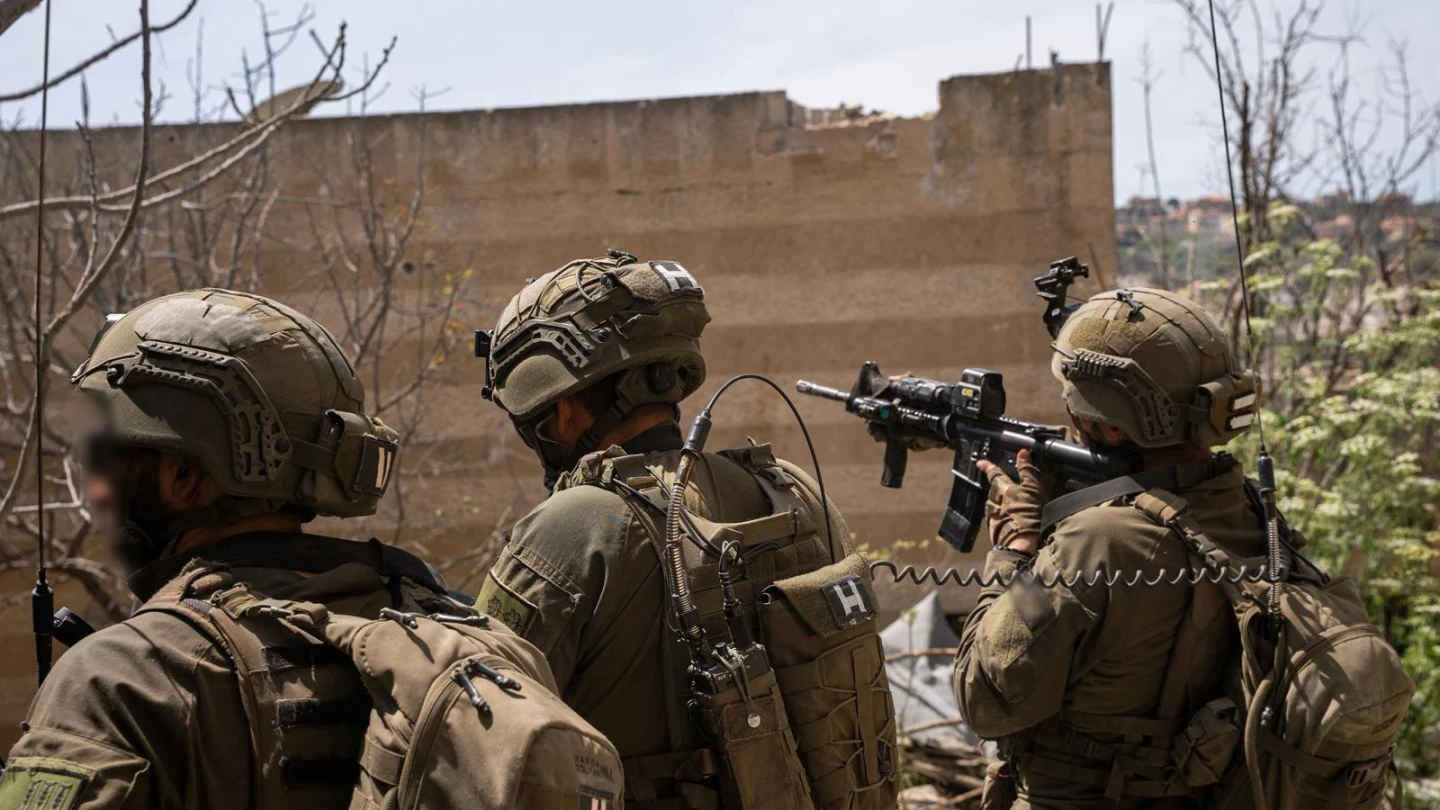
In 38 days of war, beginning on Feb. 28, the United States and Israel decapitated Iran’s leadership, and pummeled its missile and drone arsenals, defense industry, air defenses and navy. The Iranian regime was on its back and in disarray, and CENTCOM commander Adm. Brad Cooper sought to continue another 10 to 14 days of attacks.
But then, Trump agreed to a ceasefire, and the regime in Tehran was saved.
It marked the beginning of the erosion of American leverage over Iran to get a decent deal. Iran was less likely to make concessions when the bombing stopped than it was during the war. Indeed, its leaders didn’t even abide by the ceasefire.
Trump conditioned the ceasefire on the “complete, immediate and safe opening” of the Strait of Hormuz, but Tehran didn’t clear mines; often attacked U.S. bases and energy facilities in Arab neighbors; and demanded that it control and get fees for any ships transiting, making the strait far from open. The U.S. military did ensure that some non-Iranian tankers got through, and Trump imposed on April 13 a blockade on Iranian ports, which was onerous but overhyped, and didn’t force Tehran to make concessions.
It was bad enough that Trump did not hit Iran hard for these violations. Worse yet, he undermined U.S. credibility and deterrence by not enforcing a specific longstanding U.S. policy to ensure freedom of navigation in the Strait of Hormuz, as my colleague John Hannah recently explained.
Former President Jimmy Carter declared in 1980 that no power could control the Persian Gulf, but Trump effectively permitted it. An emboldened Iran—and everyone else—now knows it retains tremendous leverage by dramatically impacting the global economy when it wants by stopping the flow of oil and liquid natural gas through the Strait of Hormuz, without significant consequence.
Trump further undermined U.S. leverage by conceding Iran’s effective veto over Lebanon. He publicly expressed his concern that the Israeli-Hezbollah conflict would stand in the way of a deal with Iran, as Tehran had warned. When Hezbollah fired on Israeli towns, he tried to stop Israel from responding. He then doubled down by restraining Israel’s retaliation when Iran fired missiles at Israel. Instead of giving in to Iranian threats, Trump would have enhanced his position with Iran by supporting Israel’s self-defense.
The president made things worse by publicly criticizing and belittling Israeli Prime Minister Benjamin Netanyahu, saying that he—Trump alone—was calling the shots. This was an inappropriate way to treat his close wartime ally, and it permitted Iran to drive a wedge between the United States and Israel, which fought well and almost equally during the 38 days of combat. Other allies and adversaries undoubtedly noted all this.
Last week, Iran downed a U.S. Army Apache helicopter with a drone. The American helicopter pilots miraculously avoided being killed, and yet, the United States responded very moderately.
Coupled with constant threats over the last couple of months against Iran and then quick backdowns with promises that a deal was around the corner, all these actions and inactions reeked of weakness and tanked American leverage. They suggested to all that Trump was desperate for a deal and fearful of resuming military action, thereby emboldening Iranian demands.
Trump further undermined U.S. leverage by ignoring a key lever: the Iranian people.
The trigger for this war was Trump’s promise to the Iranian people that “help was the way” after the regime massacred 40,000 Iranian demonstrators in January. Again, at the start of the war, he made regime collapse a key objective and promised the Iranians that the time to seize their fate was nigh.
Yet his public determination to seek a deal legitimized the Tehran regime and signaled that he had abandoned regime collapse, demoralizing the Iranian people. Indeed, they are now less likely to rise up again to overthrow the Islamic Republic, and it is they who will issue the final verdict on this war.
It’s not just Iran that has benefited from Trump’s display of desperation, weakness and incompetence over the past two months. China has, too. It’s a shocking reversal after Trump had bolstered his image for toughness by approving the use of B-2s in the 12-day war, the removal of Venezuela’s Nicolás Maduro, and then the start of “Operation Epic Fury.”
The last time the United States displayed such incompetence and undermined its credibility so substantially on the world stage was the botched withdrawal from Afghanistan. It led to Russia’s invasion of Ukraine, and possibly to the events in southern Israel on Oct. 7.
What will be the consequences this time?