The past two years have left indelible marks on the soul of America. We have become increasingly divided on every issue imaginable. Whether it’s how best to address racial injustice, how to understand the delicate nuances of gender and sexuality, whether to establish COVID-19 mandates, or which voices we can trust when it comes to vaccines and the pandemic, our rhetoric has become explosive and alienating almost without exception. We wear our outrage and anger more prominently than our compassion and understanding, which have become little more than remnants of a time barely recalled. Battle lines are drawn on every front, and we’ve stopped both listening and talking to one another. With societal cracks and fissures more apparent than ever, we’ve ceased to be a community in the truest sense of the word.
It’s a painfully accurate description of the American landscape, even as we begin a new year full of prospect and possibility.
One would hope that the Jewish community would not emulate this cultural phenomenon, but be a staunch corrective to it. Jews, after all, have long been in the business of spirited argument, whether in rabbinic and theological or social and political contexts. Indeed, it’s become almost cliché to reference the Jewish tradition of questioning and the historical impulse to debate for the sake of debate (or the sake of heaven, as it were) as a hallmark of our culture. Why? Because in a time when the nature of our personal viewpoints and opinions has become a litmus test for belonging in spaces that value social justice, debate is much too dangerous a pastime. We behave, instead, as if one differing opinion will bring the whole house crumbling down.
Are we truly so weak and brittle? Are our structures really so unsound? An idea that used to bind us together—the importance of differing opinions and the sanctity of debating those viewpoints—has now become the weak link in a long history of Jewish tradition, worthy of dismissal at least and rejection at most.
Below, you will read a statement by 18 rabbis addressing these concerns. These rabbinic leaders, along with the over 200 other rabbis who added their names in support, are concerned about “the current ideological environment and the increasingly censorious culture in many American institutions, including in many Jewish communal organizations and places of higher learning.” The statement expresses the growing concern that “some in our organizations and congregations feel stifled by the shrinking space of ‘permissible’ discourse and retreat into silence” and that stifling speech makes it “difficult, if not impossible, for society to formulate good policy, promote sound science, and resolve social tensions.”
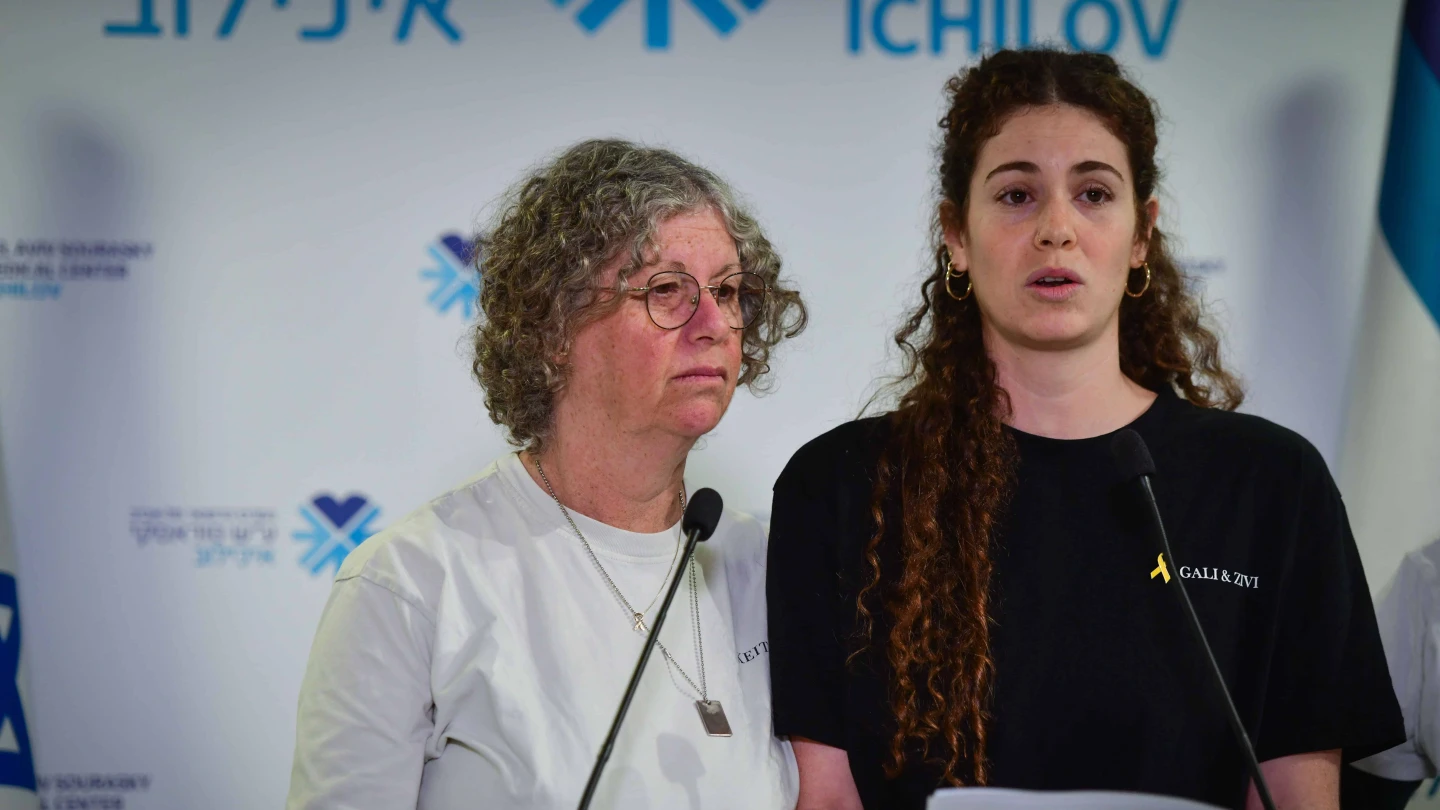
Rabbi Amy Wallk, one of the original signatories, was “immediately drawn to the conversation” because it’s “exactly the Torah [she has] always preached.” But for Wallk, it is also deeply personal. She says: “I have felt shut down and marginalized in many Jewish spaces because I am a person who seeks multiple truths. As soon as someone presents one perspective, I wonder what critics will say. No matter what the issue—I have my doubts and I ask questions. And I have noticed that my questions and doubts are not always welcomed, which causes me both to question myself and those who are not welcoming.”
The rabbis’ statement is, for Wallk, very much about reminding our community about the importance of tolerance and deep questioning as well as “doubting and wondering.” Like many of the rabbis who signed on to the statement, Wallk’s congregation is in the political center, and includes Republicans and Democrats, as well as supporters of both J Street and AIPAC. “We have those who express their concern for racial justice by supporting BLM and others who care about racial justice issues but are unwilling to align themselves with the BLM movement,” she says.
In a truly Jewish communal space, all of these voices would be given room to speak, space to breathe. But we know that is less and less the case. The fault lines grow deeper, and meaningful dialogue and discourse sometimes feel more like a fond or fleeting memory. Our discourse is not simply divided; it is under a full-fledged attack.
Rabbi David Wolpe, another original signatory, says, in fact: “Coming from a tradition that prizes honest and respectful controversy, I have been alarmed by the throttling of discourse. We should be strong enough to hear views we disagree with and even object to—respect doesn’t demand agreement.”
While the statement has resonated with many rabbis across the United States and Canada, it has not escaped criticism, some of which materialized on social media sites like Twitter. According to David Bernstein of the Jewish Institute for Liberal Values, the “harshest and most concerning criticism comes from progressive rabbis from the liberal movements. It’s shocking and indicative of the problem” the rabbis who released the statement are working to address. Some of the signatories “have been called racists and transphobes by their colleagues” for signing on to this letter.
Bernstein continues: “The denominational leaders, who have often played a role in fostering a commitment to a single ideological stance among rabbis and congregations on these racial justice issues, now have to ask themselves: what can they do to ensure that some rabbis aren’t engaging in sinat chinum [‘baseless hatred’] and creating congregations completely disrespectful of divergent perspectives. I hope that they recognize it’s also time for a different type of reckoning.”
In a cultural moment in which calls to reckoning are now an almost everyday occurrence, one wonders what a reckoning within the Jewish community might look like. Is this rabbis’ statement the beginning of such a reckoning?
As Rabbi Jeffrey Salkin says, “We need a robust conversation about public policy and Jewish affairs—one that seeks to listen and to learn; one that rejects demonization; one that, in the words of the Talmud, prompts us to build a heart with many rooms. There is too much heat. We need more light.”
Indeed. We need more light.
Statement from Committee of Concerned Rabbis
Dec. 7, 2021
Dear Friends,
We, the undersigned rabbis in the United States and Canada, are concerned about the current ideological environment and the increasingly censorious culture in many American institutions, including in many Jewish communal organizations and places of higher learning.
One of our roles as rabbis is to foster inclusive communities that welcome people of varied cultural backgrounds, stations in life and ideological perspectives. While becoming more inviting of culturally diverse Jews, our institutions often fall short in welcoming Jews with varied viewpoints. Some in our organizations and congregations feel stifled by the shrinking space of “permissible” discourse and retreat into silence. Surveys show Americans self-censoring at record levels. Jewish organizations and synagogues are called to create a culture that welcomes a wide range of views. Indeed, it’s crucial that we stand against sinat chinam—baseless hatred—over differences in political viewpoint, which makes it uncomfortable for many to participate in congregational and organizational life, at a time when Jewish communal organizations are already facing significant difficulty in attracting Jews. We all need space to be tentative, to be wrong and change our minds, to wonder, to explore.
Increasingly, the crowding out of unpopular opinions impinges upon society’s ability to address problems. The culture of disputation and debate in the Jewish world—argument for the sake of heaven—has been a hallmark of Jewish life, and key to creative Jewish survival. Constricting conversation on social issues, including sensitive topics such as race and gender identity, makes it difficult, if not impossible, for society to formulate good policy, promote sound science and resolve social tensions. Shema, “listen,” is our watchword; learning to listen to one another is the foundation of our polity. The Jewish tradition advances the ideals of civil debate alongside an enduring commitment to pursuing goodness and justice. We honor open but respectful conversation, based on the highest ethical values of our tradition.
The ascendency of an ideology that in its most simplistic form sees the world solely in binary terms of oppressed versus oppressor, and categorizes individuals into monolithic group identities, is a familiar and frightening development for the Jewish people. In its contemporary form, Jews are stereotyped as privileged and Israel is marked as the oppressor, fueling the newest iteration of anti-Semitism and anti-Zionism. Recent examples of this phenomenon abound. In the days ahead, rabbis and other Jewish leaders must articulate the dangers of this brand of anti-Semitism to the Jewish community and the larger society.
Original Signatories:
Emily Barton, Rabbi, Tifereth Israel Synagogue, Des Moines, Iowa Daniel Bouskila, Rabbi, Sephardic Educational Center and Westwood Village Synagogue, Los Angeles Mark Cohn, Rabbi, Temple Emanuel, Winston-Salem, N.C. Joseph Edelheit, Rabbi, Emeritus Professor, St. Cloud State University, Minneapolis Matthew Gewirtz, Rabbi, Congregation Bnai Jeshurun, Short Hills, N.J. Jonathan Greenberg, Rabbi, Northbrook, Ill. David Ingber, Founder and Senior Rabbi, Romemu Debra Newman Kamin, Rabbi, Am Yisrael Congregation, Northfield, Ill. David Kaufman, Rabbi John Moscowitz, Rabbi, Holy Blossom Temple, Toronto, Ontario, Canada Scott Roland, Rabbi, Beachwood, Ohio Jeffrey Salkin, Rabbi, Temple Israel, West Palm Beach, Fla. Hal Schevitz, Rabbi, Congregation Or Atid, Henrico, Va. Rona Shapiro, Rabbi, Congregation B’nai Jacob, Woodbridge, Ct. Amy Wallk, Rabbi, Temple Beth El, Springfield, Mass. Stuart Weinblatt, Rabbi, Congregation B’nai Tzedek, Potomac, Md. Alison Wissot, Rabbi, Cantor, Temple Judea, Tarzana, Calif. David Wolpe, Rabbi, Sinai Temple, Los Angeles
Additional Signatories (in formation):
Sarah Hronsky, Rabbi, Temple Beth Hillel, Los Angeles Eli Garfinkel, Rabbi David-Seth Kirshner, Rabbi, Temple Emanu-El, Closter, N.J. Adam Wright, Rabbi, Temple Emanu-El, Birmingham, Ala. Russell McAlmond, Center for Human Equality Bruce Dollin, Rabbi, Hebrew Educational Alliance, Denver Matthew Abelson, Rabbi, Jericho, N.Y. Ian Silverman, Rabbi, East Northport Jewish Center, East Northport, N.Y. Robert Goldstein, Rabbi, Washington, D.C. James Glazier, Rabbi Daniel Levin, Rabbi, Temple Beth El, Boca Raton, Fla. David Markus, Rabbi, Temple Beth El, City Island, N.Y. Samuel Stern, Rabbi, Temple Beth Shalom, Topeka, Kan. Idit Solomon, Rabbi, Palo Alto, Calif. Philip Scheim, Rabbi Emeritus, Beth David, Toronto, Ontario, Canada Samuel Press, Rabbi, Dayton, Ohio Robert Eisen, Rabbi Emeritus, Congregation Anshei Israel, Tucson, Ariz. Rhonda Nebel, Rabbi, Congregation B’nai Israel, Danbury, Conn. Morris Allen, Rabbi Mendota Heights, Minn. Eliezer Havivi, Rabbi Mark Finkel, Rabbi, Pine Brook Jewish Center, Montville, N.J. Gerald Sussman, Rabbi, Temple Emanuel-El, Staten Island, N.Y. Fred Guttman, Rabbi Dennis Linson, Rabbi, Executive Director, Temple Judea, Laguna Hills, Calif. Yosi Gordon, Rabbi, Talmud Torah of St. Paul, Minn. Jennifer Gorman, Rabbi, Executive Director, MERCAZ Canada & Canadian Foundation for Masorti Judaism, Toronto, Ontario, Canada Andy Warmflash, Rabbi, West Orange, N.J. Perry Raphael Rank, Rabbi, Midway Jewish Center Morris Faierstein, Rabbi, Rockville, Md. Sean Gorman, Rabbi Aaron Gaber, Rabbi, Newtown, Pa. Joseph Potasnik, Rabbi, Exec Vice President, The New York Board of Rabbis New York Carnie Rose, Senior Rabbinic Chair, Congregation B’nai Amoona Lynn Liberman, Rabbi, St. Paul, Minn. Simkha Y. Weintraub, Rabbi Michael Rascoe, Rabbi, Temple Israel of Riverhead, Riverhead, N.Y. Alan Cohen, Rabbi Emeritus, Congregation Beth Shalom, Overland Park, Kan. Gershon Weissman, Rabbi Emeritus, Temple Ner Simcha, Westlake Village, Calif. Azriel C Fellner, Rabbi, Temple Beth El, Patchogue, N.Y. Max Davis, Rabbi, Congregation Darchei Noam, Minneapolis Justin Held, Rabbi, Minneapolis Arthur Lavinsky, Rabbi, Retired, Phoenix Shalom Lewis, Rabbi Emeritus Congregation Etz Chaim, Marietta, Ga. Daniel Horwitz, Rabbi, Houston John Crites-Borak, Rabbi David Ebstein, Rabbi Claudio Kupchik, Rabbi, Temple Beth El, Cedarhurst, N.Y. Helene Kornsgold, Rabbi, Temple Israel, Charlotte, N.C. Loel Weiss, Rabbi Andrew Bloom, Rabbi, Congregation Ahavath Sholom, Fort Worth, Texas David Krishef, Rabbi, Grand Rapids, Mich. Joshua Ben-Gideon, Rabbi, Beth David Synagogue, Greensboro, N.C. Felipe Goodman Rabbi, Temple Beth Sholom, Las Vegas Aaron Starr, Rabbi, Congregation Shaarey Zedek, Southfield, Mich. Neal Loevinger, Chaplain, Poughkeepsie, N.Y. Shai Cherry, Rabbi, Ph.D., Congregation Adath Jeshurun, Elkins Park, Pa. Lisa Malik, Rabbi, Wynnewood, Pa. Baruch Frydman-Kohl, Rabbi Emeritus, Toronto ON, Canada Ita Paskind, Rabbi, Congregation Beth El, Norwalk, Conn. Robert Golub, Rabbi Michael Gold, Rabbi, Tamarac, Fla. Michael Klayman, Rabbi, Great Neck, N.Y. David Locketz, Senior Rabbi, Bet Shalom Congregation, Minnetonka, Minn. Michael Friedland, Rabbi, South Bend, Ind. Kenneth Berger, Rabbi, Deerfield, Ill. Jordan Hersh, Rabbi, Beth Sholom Congregation, Frederick, Md. Daniel Alder, Rabbi, Brotherhood Synagogue, New York, N.Y. Earl Kideckel, Rabbi, Congregation Beth El, New London, Conn. Adam Stock Spilker, Rabbi, Mount Zion Temple, St. Paul, Minn. David Eligberg, Rabbi, Temple Israel, Albany, N.Y. Ahud Sela, Rabbi Randall Mark, Rabbi, Shomrei Torah, Wayne, N.J. Rachel Brown, Rabbi, Beachwood, Ohio Sarah Graff, Rabbi, Palo Alto, Calif. Howard Hoffman, Rabbi, Boynton Beach, Fla. Dina Shargel, Rabbi Susan Tendler, Rabbi, Beth Tikvah Congregation & Centre, Richmond BC, Canada Leslie Alexander, Rabbi, Calabasas, Calif. Josh Goldstein, Rabbi Sandra Berliner, Rabbi David Klatzker, Transitional Senior Rabbi, Temple Israel of Natick, Mass. Daniel Cohen, Rabbi, South Orange, N.J. David Booth, Rabbi, Palo Alto, Calif. Bruce Block, Rabbi Emeritus, Temple Sinai, Tenafly, N.J. David Vaisberg, Senior Rabbi, Temple B’nai Abraham, Livingston, N.J. Shalom Bronstein, Rabbi, Jerusalem Edwin Farber, Rabbi Emeritus Beth Torah Benny Rok Campus, Miami Michael Safra, Senior Rabbi, B’nai Israel Congregation, Rockville, Md. Michael Pincus, Rabbi Alan Londy, Rabbi, The New Reform Temple, Kansas City, Mos. David Baron, Rabbi, Beverly Hills Temple of the Arts, Beverly Hills CA Ari Goldstein, Rabbi, Temple Beth Shalom, Arnold, Md. Jonathan Fisch, Rabbi, Temple Judea, Coral Gables, Fla. Alexander Davis, Rabbi, St Louis Park, Md. Joel Pitkowsky, Rabbi, Congregation Beth Sholom, Teaneck, N.J. Mordecai Finley, Rabbi, Ohr HaTorah Synagogue, Los Angeles (Mar Vista, Calif.) Yafa Chase, Rabbi Cy Stanway, Rabbi, Temple Beth Miriam, Elberon, N.J. Ron Li-Paz, Rabbi, Valley Outreach Synagogue, Calabasas, Calif. Ronald Roth, Rabbi Emeritus, Fair Lawn Jewish Center/Congregation B’nai Israel, Fair Lawn, N.J. Neal Borovitz, Rabbi Emeritus, Temple Avodat Shalom, River Edge, N.J. Robert Gamer, Rabbi, Oak Park, Mich. Aaron Bergman, Rabbi Asher Lopatin, Rabbi, Kehillat Etz Chayim of Detroit Jill Crimmings, Associate Rabbi, Bet Shalom, Minnetonka, Minn. Kaya Stern-Kaufman, Rabbi, Temple Israel, Portsmouth, N.H. Marc Berkson, Rabbi, Congregation Emanu-El B’ne Jeshurun, Milwaukee Steven Rein, Rabbi, Agudas Achim Congregation, Alexandria, Va. Daniel Weiner, Rabbi, Temple De Hirsch Sinai, Seattle David Glickman, Rabbi, Congregation Beth Shalom, Overland Park, Kan. Jeremy Kalmanofsky, Rabbi, Ansche Chesed, New York, N.Y. Neal Katz, Rabbi, Congregation Beth El, Tyler, Texas Neal Schuster, Rabbi, University of Kansas Hillel, Lawrence, Kan. Richard Agler, Rabbi, Oceanside, Calif. Shlomo Yaffe, Rabbi, Congregation B’nai Torah, Springfield, Mass. Rebecca Ben-Gideon, Rabbi, B’nai Shalom Day School, Greensboro, N.C. Bill Siemers, Rabbi, Congregation Beth Israel, Bangor ME Jonathan Miller, Rabbi Emeritus, Temple Emanu-El, Birmingham, Ala. Andy Koren, Rabbi, Temple Emanuel, Greensboro, N.C. Mitchell Berkowitz, Associate Rabbi, B’nai Israel Congregation, Rockville, Md. Brian Strauss, Rabbi, Congregation Beth Yeshurun, Houston Max Nissen, Rabbi Gordon Yaffe, Rabbi, Congregation L’Dor V’Dor, Little Neck, N.Y. Reuven Taff, Rabbi Emeritus, Mosaic Law Congregation, Sacramento, Calif. Rachel Safman, Rabbi, Temple Beth-El, Ithaca, N.Y. Jonathan Blake, Rabbi, Westchester Reform Temple, Scarsdale, N.Y. SaraLeya Schley, Rabbi Jeremy Master, Rabbi, Sinai Temple, Springfield, Mass. Adam Watstein, Rabbi George Barnard, Rabbi, Cincinnati Alan Litwak, Rabbi, Temple Sinai of North Dade, North Miami Beach, Fla. Herb Schwartz, Rabbi Paul Citrin, Rabbi, Retired, Albuquerque, N.M. Irwin Zeplowitz, Rabbi, The Community Synagogue, Port Washington, N.Y. Elliot Dorff, Rabbi, American Jewish University, Los Angeles Jessica Fox Epstein, Rabbi, Cantor Scott N. Bolton, Rabbi Allan Berkowitz, Rabbi, San Jose, Calif. Laurence Malinger, Rabbi, Temple Shalom, Aberdeen, N.J. Yaron Kapitulnik Rabbi, Temple Judea, Palm Beach Gardens, Fla. Joe Blair, Rabbi Jonathan Infeld, Rabbi, Congregation Beth Israel Sherre Hirsch, Rabbi, American Jewish University Jack A. Luxemburg, Rabbi Emeritus, Temple Beth Ami, Rockville, Md. Kenneth Emert, Rabbi, Sun City Jewish Services, Palm Desert, Calif. Stephen Richards, Rabbi/Cantor Emeritus, Congregation B’nai Tikvah, Walnut Creek, Calif. Jordan Shaner, Rabbi, Cantor, Temple Sinai Congregation of Toronto, Toronto, Ontario Canada Chaya Rowen Baker, Rabbi, Jerusalem Paula Baruch, Rabbi, Cantor, Hamilton Ontario, Canada Erez Sherman, Rabbi, Sinai Temple, Los Angeles Nicole Guzik, Rabbi, Sinai Temple, Los Angeles Daniel Wolpe, Rabbi, Flushing Fresh Meadows Jewish Center, Fresh Meadows, N.Y. Elana Zaiman, Rabbi, Seattle Dov Peretz Elkins, Rabbi Dov Bard, Rabbi, Newtonville, Mass. Philip Pohl, Rabbi Peter Kasdan, Rabbi Michael Weinberg, Rabbi Emeritus Dan Moskovitz, Rabbi Lauren Berkun, Rabbi, Miami Micah Peltz, Rabbi, Temple Beth Sholom, Cherry Hill, N.J. Michael Weinberg, Rabbi Emeritus, Temple Beth Sholom, Cherry Hill, N.J. Dan Moskovitz, Rabbi, Temple Sholom Vancouver, British Columbia, Canada Peter Kasdan, Rabbi, Temple Emanu-El of West Essex, Livingston, N.J. Matt Friedman, Rabbi, Antelope Roseville Jewish Congregation, Sacramento, Calif. Neal Gold, Rabbi, A Tree with Roots, LLC Natick, Mass. Gary Gerson, Rabbi Emeritus, Oak Park Temple B’nai Abraham Zion, Oak Park, Ill. Sarah Schechter, Rabbi Rob Morais, Rabbi, Temple Anshe Hesed, Erie, Pa. Brian Stoller, Rabbi, Omaha, Neb. Laura Gold, Rabbi, Psychologist, New York, N.Y. Debra Rappaport, Rabbi, Golden Valley, Minn. Aaron Bisno, Rabbi, Pittsburgh Rabbi Debbie Stiel, Temple Solel, Paradise Valley, Ariz. Jacob Herber, Senior Rabbi, Herzl-Ner Tamid, Mercer Island, Wash. Steven Morgen, Rabbi, Congregation Beth Yeshurun, Houston Evan Ravski, Rabbi, Synagogue Emanu-El, Charleston, S.C. Scott Hausman-Weiss, Rabbi, Shma Koleinu, Houston Mark Mahler, Rabbi, Pittsburgh Jonathan Biatch, Rabbi, Temple Beth El, Madison, Wis. Joshua Gruenberg, Rabbi, Chizuk Amuno Congregation & Schools, Baltimore Iscah Waldman, Rabbi, Dept. Chair of Judaics, Golda Och Academy, Teaneck, N.J. Audrey Korotkin, Rabbi, Ph.D., Altoona, Pa. Jonathan Aaron, Rabbi, Los Angeles Haim Ovadia, Rabbi, SephardciU, Potomac. Md. Donna Friedman, Rabbi, West Palm Beach, Fla. Sharon Mars, Rabbi, Temple Israel, Columbus, Ohio Andy Green, Rabbi, Congregation Or Tzion, Scottsdale, Ariz. Joshua Ginsberg, Rabbi, Columbus, Ohio Michal Shekel, Rabbi, Har Tikvah, Brampton, Ontario, Canada Erica Gerson, Rabbi, New York, N.Y. Donald Berlin, Rabbi, Bethesda, Md. Michael Datz, Rabbi Emeritus, Temple B’rith Sholom, Springfield, Ill. Gideon Estes, Rabbi, Congregation Or Ami, Houston Manes Kogan, Rabbi, Hillcrest Jewish Center, Fresh Meadows, N.Y. Steven Abraham, Rabbi, Beth El Synagogue, Omaha, Neb. Jeff Cymet, Rabbi, The New Kehila of Ramat Aviv, Tel Aviv Julie Jacobs, Cantor, Beth David Congregation, Miami Adam Roffman, Rabbi, Congregation Shearith Israel, Dallas Craig Scheff, Rabbi, Orangetown Jewish Center, Orangeburg, N.Y. Bat-Ami Moses, Cantor, Temple Israel, Bexley, Ohio Saul Strosberg, Rabbi, Sherith Israel, Nashville, Tenn. Ken Richmond, Rav Hazzan, Temple Israel of Natick, Natick, Mass. Melinda Zalma, Rabbi, New York, N.Y. Mark Zimmerman, Rabbi, Beth Shalom, Atlanta Leonard Berkowitz, Rabbi, Retired, Boca Raton, Fla. Avis Miller, Rabbi Emerita, Adas Israel Congregation, Washington, D.C. Lon Moskowitz, Rabbi, D.D., Baywood Park, Calif. Arthur Weiner, Rabbi, Jewish Community Center of Paramus/Congregation Beth Tikvah, Paramus, N.J. Jeremy Wiederhorn, Rabbi, TCS and NY Board of Rabbis, Westport, Conn. Jordan Cohen, Rabbi, Temple Anshe Sholom, Hamilton, Ontario, Canada Charles Klein, Rabbi Emeritus, Merrick Jewish Centre, Merrick, N.Y. Joshua Kullock, Rabbi, West End Synagogue, Nashville, Tenn. Kenneth Leitner, Rabbi Emeritus, Beth Sholom, Chandler, Ariz. Matthew Abelson, Rabbi, Jericho Jewish Center, Jericho, N.Y. Yitz Greenberg, Rabbi, Senior Scholar in Residence, Hadar Institute, New York, N.Y., and Jerusalem Loren Sykes, Rabbi, Jerusalem Lori Shapiro, Rabbi, Open Temple, Venice, Calif. Jay Perlman, Rabbi, Temple Beth Shalom, Needham, Mass.
Organizational Endorsements:
Hadassah, The Women’s Zionist Organization of America StandWithUs
This article was originally published by the Jewish Journal.