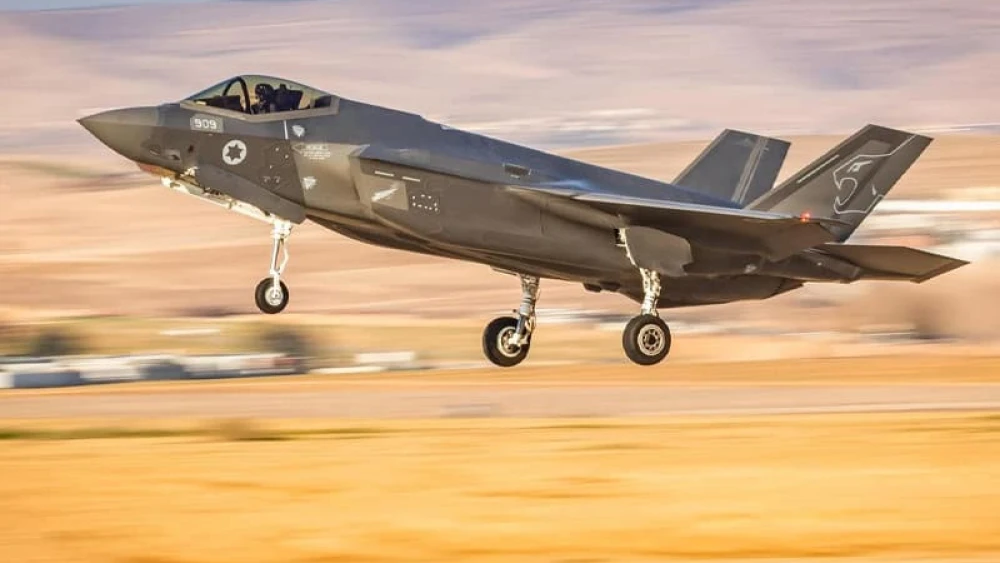
The recent events leave no room for doubt: Israel has taken responsibility not only for its own fate but for that of the free world, launching a military campaign against the head of the global terror snake—Iran.
In a rational world, such a move would have been led by an international coalition. But Israel, having learned the bloody lessons of Oct. 7, 2023, chose not to wait. While certain nations continue, true to the best of European tradition, to avert their eyes from threats near and far, and calmly sip their morning cappuccino, Israel acts. And, thanks to its initiative, the world sleeps more securely at night.
The confrontation with Iran marks a strategic turning point. It’s not merely an exchange of fire, but a battle over the future regional order. Israel has inflicted significant damage on Iran’s nuclear program, striking infrastructure, eliminating key scientists and disrupting critical systems. Though the full scope is yet to be assessed, it’s already clear that Iran’s genocidal ambitions have been meaningfully delayed.
Just 24 hours into the campaign, Iran’s weakness was laid bare. Unable to respond directly to Israel’s aerial superiority, it was left exposed and scrambling. The only “superiority” it maintains is rhetorical. The chokehold Iran constructed over decades is unraveling; Hezbollah is bleeding and under internal pressure in Lebanon, the Syrian front is held firmly by the Israel Defense Forces, and the Houthis are steadily losing ground. Iran is now forced to improvise.
Domestically, the regime in Tehran is crumbling. Public anger among its civilians, especially women and the younger generation, is growing. A regime change that once seemed like a fantasy is now closer and more plausible than ever.
Meanwhile, global powers tread carefully. China and Russia have no interest in a regional war that would destabilize global energy markets, but neither will they abandon Iran entirely. Tactical support from them may continue, though without direct military involvement. By contrast, the United States, under President Donald Trump, maintains a firm stance, supporting Israel militarily and diplomatically without yet leading a full-scale offensive.
As a senior IDF general once told me, “Every crisis is a foundation for excellent relationships—in private life and in diplomacy.” And indeed, despite the chaos, the Abraham Accords have not disappeared; Perhaps they are even gaining strength. Moderate Arab states increasingly recognize the Iranian threat, and Israel’s decisive action may pave the way for historic agreements that could finally realize former Israeli Prime Minister Shimon Peres’ vision of a new Middle East.
The global media is captivated by Israel’s capabilities, even if that admiration won’t translate into planeloads of flowers as thanks for confronting one of the greatest global threats in recent decades.
Still, Israel will continue fighting for its future and the future of the entire region.