Newsletter
Newsletter Support JNS

Palestinian girls’ high school unveils plaque honoring teen suicide bomber

The memorial honors Ayat al-Akhras, who blew herself up in 2002 near a Jerusalem supermarket, killing two and wounding 28.

Palestinian girls pose in front of their school in Bethlehem on Nov. 19, 2019. Visible on the wall by the school entrance is a plaque honoring Ayat al-Akhras, an 17-year-old suicide bomber that killed two Israelis in 2002. Credit: Palestinian Media Watch.

A Palestinian Authority-run girls’ high school in Bethlehem recently unveiled a plaque in memory of the “martyrs” of the second intifada (2000-2005), in which more than 1,100 Israelis were murdered, many in suicide bombings.

An initiative of the P.A. Education Ministry and Fatah’s Shabiba Youth Movement, the memorial, which is prominently displayed at the entrance to the school, specifically names suicide bomber and Fatah member Ayyat al-Akhras, who blew herself up near a Jerusalem supermarket on March 29, 2002.

A post of the unveiling was featured on the official Fatah Facebook page on Nov. 19.

A week before the unveiling, the same high school ran an exhibition honoring former P.A. chairman Yasser Arafat at which Fatah’s Shabiba Youth Movement glorified several terrorist murderers by prominently displaying their pictures.

These included Dalal Maghrabi, who participated in and by some accounts led an attack in which 37 Israelis were killed, 12 of them children; Abu Jihad, responsible for the murder of 125; Marwan Barghouti, convicted of planning three terror attacks in which five people were murdered; and Hamas founder Ahmed Yassin, responsible for the murder of hundreds in Hamas suicide bombings.

A version of this article was originally published at Palestinian Media Watch.
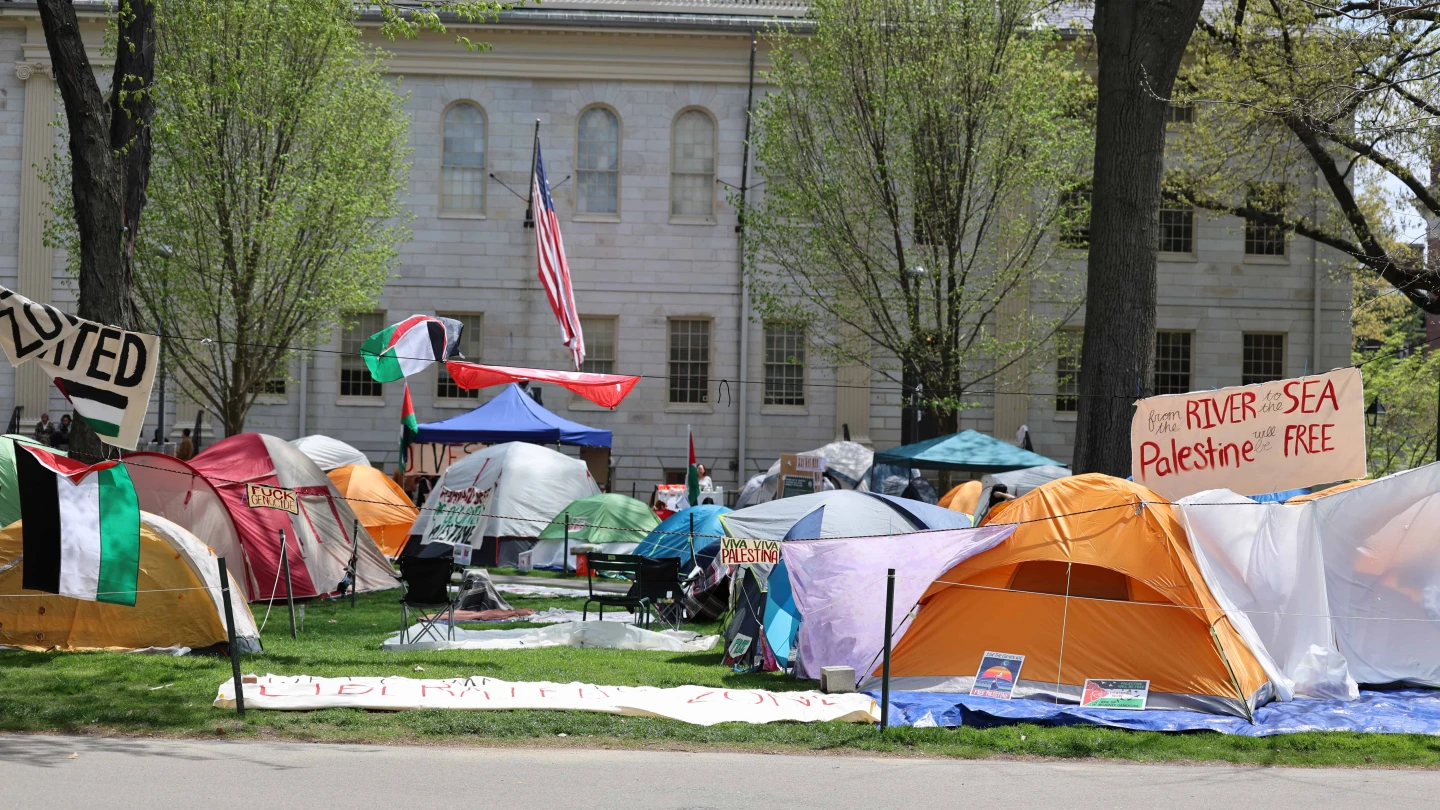
“This political environment could discourage congressional committee staff and federal agency personnel from pursuing investigations or enforcement actions involving antisemitism,” Karen Paikin Barall of the Brandeis Center told JNS.
“They get social credit within their political bases in terms of talking about settler violence and and taking up the side of the Palestinians on issues between them and Israel,” Rafael Mangual of the Manhattan Institute told JNS.
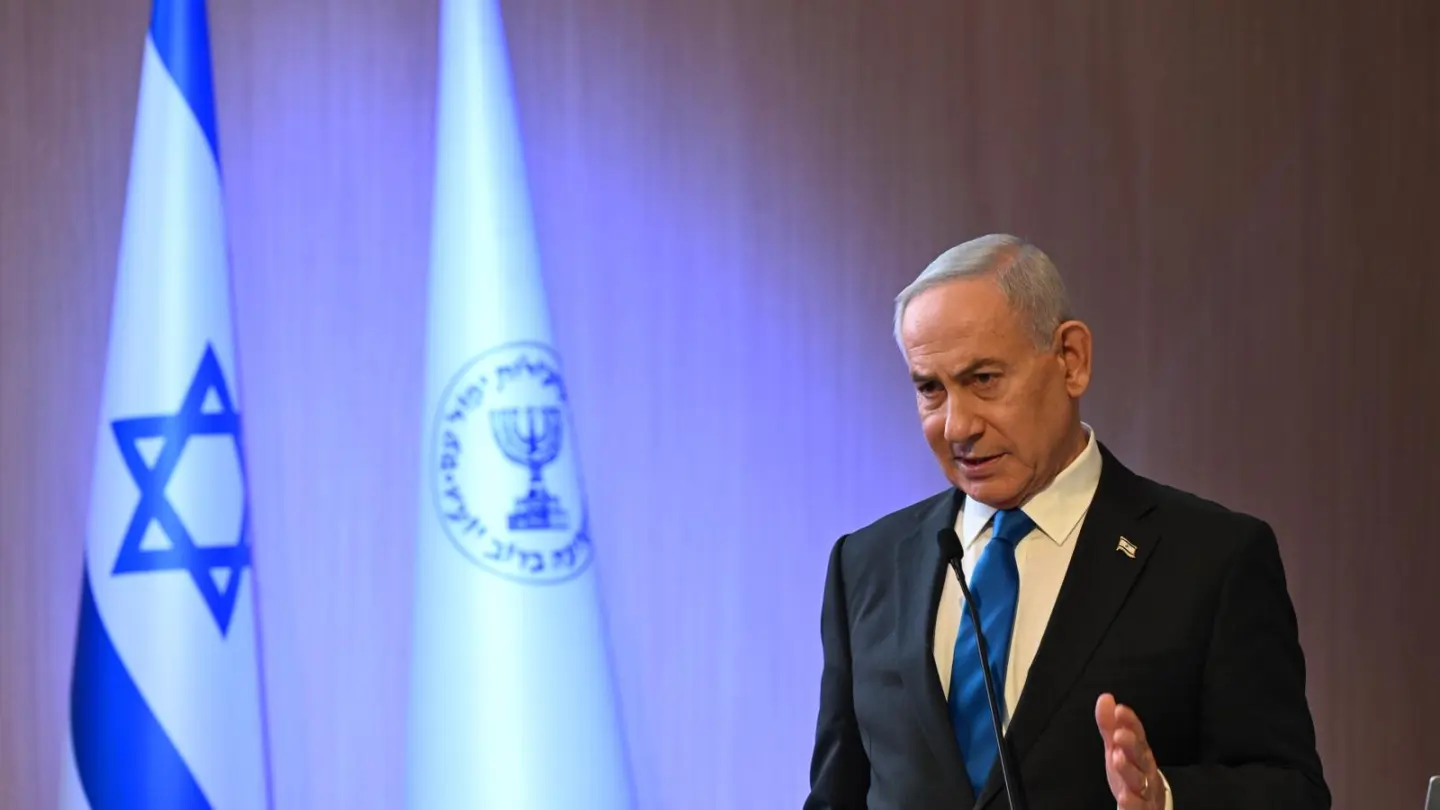
“There is not, and there will not be, a Palestinian state,” the Israeli prime minister pledged. He also called for the corruption trial against him to be dropped.
The U.S. envoy also said antisemitism “didn’t exist” during his upbringing and warned of an unintended clash between Israel and Turkey.