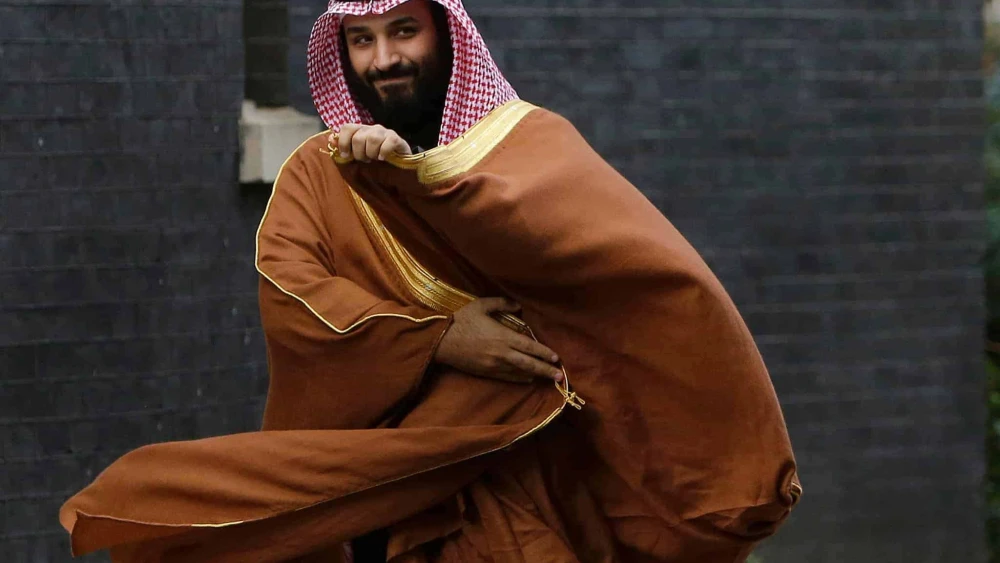
Saudi Crown Prince Mohammed bin Salman told U.S. Secretary of State Antony Blinken in a private conversation that he doesn’t care about “the Palestinian issue,” according to a feature article on the war in Gaza published in The Atlantic on Sept. 25.
However, the 39-year-old ruler stressed that the Palestinians are important to the general population of Saudi Arabia, noting the demographics that 70% are younger than him.
“For most of them, they never really knew much about the Palestinian issue. And so they’re being introduced to it for the first time through this conflict. It’s a huge problem. Do I care personally about the Palestinian issue? I don’t, but my people do, so I need to make sure this is meaningful,” he was quoted as saying.
The article by Franklin Foer noted, however, that a Saudi official described this account of the conversation as “incorrect.”
The comments were purportedly made during a visit by Blinken to al-Ula in Medina Province in January, months after the Hamas-led massacre of Oct. 7 and in the context of the Biden administration’s pursuit of a normalization agreement between Riyadh and Jerusalem.
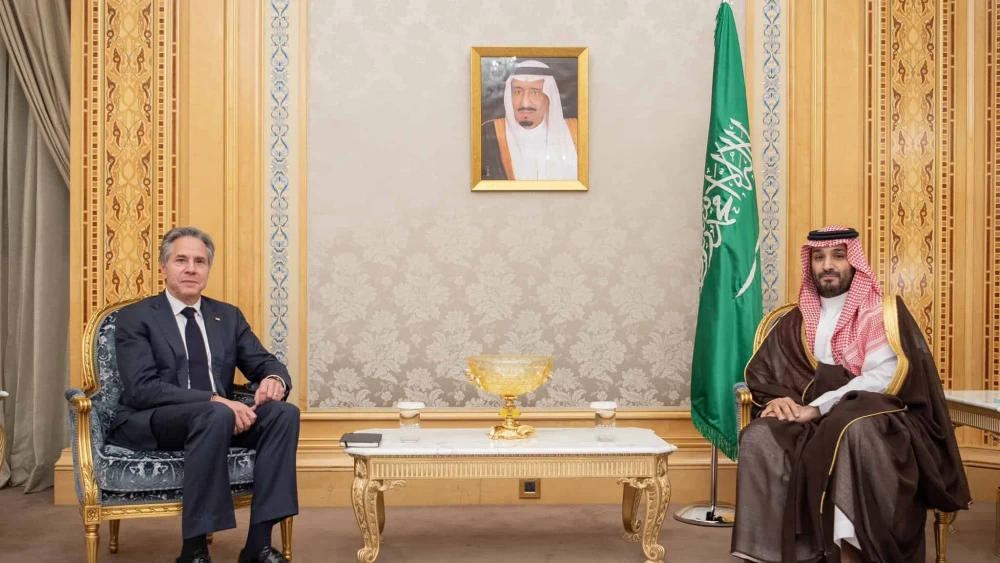
The prince also told Blinken that he was pursuing normalization at great personal risk, including to his own life, citing the 1981 assassination of Egyptian President Anwar Sadat after he signed a peace deal with Israel.
MBS is concerned about the Muslim Brotherhood, of which Hamas is a branch, exacting bloody revenge for a normalization deal.
“Half my advisers say that the deal is not worth the risk,” he said. “I could end up getting killed because of this deal.”
MBS as recently as Sept. 18 publicly conveyed the importance of the Palestinian issue to joining the Abraham Accords, telling the opening session of Saudi Arabia’s advisory Shura Council that “we renew the kingdom’s rejection and strong condemnation of the crimes of the Israeli occupation authority against the Palestinian people,” as quoted by AFP.
He added that “the kingdom will not cease its tireless efforts to establish an independent Palestinian state with east Jerusalem as its capital, and we affirm that the kingdom will not establish diplomatic relations with Israel without one.”
Former President Donald Trump brokered the Abraham Accords, which saw diplomatic ties establish between Israel and the United Arab Emirates, Bahrain, Sudan and Morocco.
MBS also reportedly told Blinken that Israeli-Saudi normalization could only happen under a Democratic administration in the White House.
“MBS told Blinken that the Biden administration represented his best chance for realizing his plans: Two-thirds of the Senate needed to ratify any Saudi-U.S. defense pact, and he believed that could happen only in a Democratic administration, which could help deliver progressives’ votes by building a Palestinian state into the deal. He had to move quickly, before the November election risked returning Trump to power,” Foer wrote.
A diplomatic deal won’t be signed until after the next U.S. president is decided in November’s election, Ynet reported in July, citing Israeli and American officials.
The de facto Saudi leader also told Blinken that Israeli counterterror raids into the Gaza Strip would not be a deal breaker, speaking in response to a question from the American diplomat.
“They can come back in six months, a year, but not on the back end of my signing something like this,” MBS replied.
He emphasized that Gaza needed calm before moving forward with a normalization deal.