U.S.-Israel Relations
News about governmental relations between Israel and the United States

“The majority of Senate Democrats and Senate Republicans again demonstrated profound American support for our ally and rejected the dangerous efforts by Sen. Bernie Sanders,” AIPAC stated.

“The members of Hamas that we designated yesterday, we designated for being involved in terrorist activities,” Matthew Miller, the U.S. State Department spokesman, said on Wednesday.

Washington allegedly told Iraq it has exhausted “all means of pressure” on Jerusalem and has urged Baghdad to take swift action to prevent the attacks.
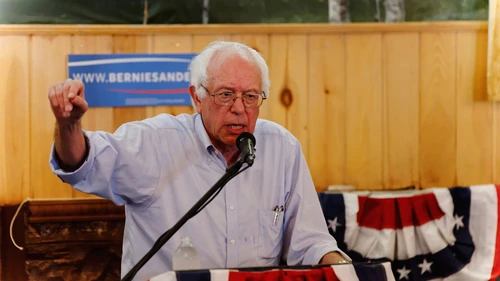
The resolutions would prevent the transfer of more than $20 billion in weapons to Jerusalem.

“President Trump has strategically surrounded himself with a team of seasoned leaders who possess a deep understanding of the Middle East’s complex dynamics.”

In June, the United States shepherded through the council a resolution that called for both a ceasefire and the release of hostages.

The Republican-led legislature will “have our allies’ back,” vowed John Thune, who chided Democrats for “struggling” to support Israel.
“There is not one ounce of substantive consideration here, it’s all cynical politics,” said Samaria Regional Council head Yossi Dagan.

The U.S. administration’s advice on Israel’s war against Iran and its proxies was often wrong, said the Israeli premier.

Language removed from the draft following U.S. pressure would have triggered Chapter VII of the U.N. Charter, which empowers the UNSC to take collective action, including the use of force.

The impact of the move is expected to remain limited following last week’s election of President-elect Donald Trump.

Israel’s Deputy Chief of Mission to the U.S. Eliav Benjamin sits down with JNS to discuss the expansion of the Abraham Accords, ongoing efforts to secure the release of the hostages being held by Hamas in Gaza and the conflict with Iran.