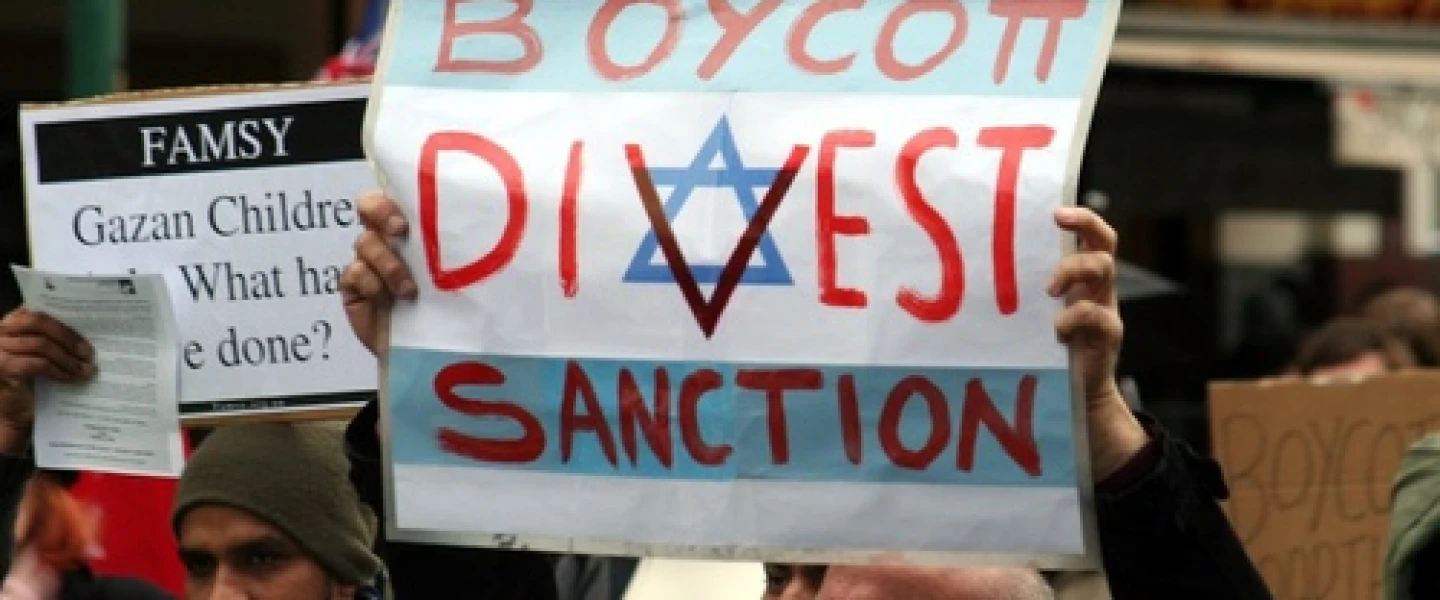
Members of a synagogue in Ann Arbor, Mich., advocated before a Sixth Circuit Court of Appeals last week that the city must enforce restrictions on protesters who have demonstrated outside their congregation every Saturday morning since September 2003.
Protesters gather outside Beth Israel Congregation as members enter the synagogue and hold signs that include anti-Semitic messages, such as “Jewish Power Corrupts,” “Resist Jewish Power” and “No More Wars for Israel,” according to the Courthouse News Service. The congregation wants the city to enforce its protest and sign ordinances to prevent congregants from being harassed.
Attorney Marc Susselman argued in front of a three-judge panel on behalf of the synagogue on April 27, noting that children are also exposed to the anti-Semitic signs. One child claimed in a deposition that she felt “under attack” and was thankful when her family moved away.
“This is targeted picketing in a residential area in spades, and has been happening every Saturday for 17 years,” he said.
Marvin Gerber and Miriam Brysk, a Holocaust survivor, filed a lawsuit in federal court in 2019. They said the protesters cause them “extreme emotional distress” and accused Ann Arbor of failing to enforce several city codes. The lawsuit requested “the imposition of reasonable time, place and manner conditions” on the protests.
U.S. District Judge Victoria Roberts dismissed the case in August 2020, claiming that the First Amendment gave protesters the right to gather peacefully outside the synagogue.
No time frame has been set for the appeals court’s decision in the case.