


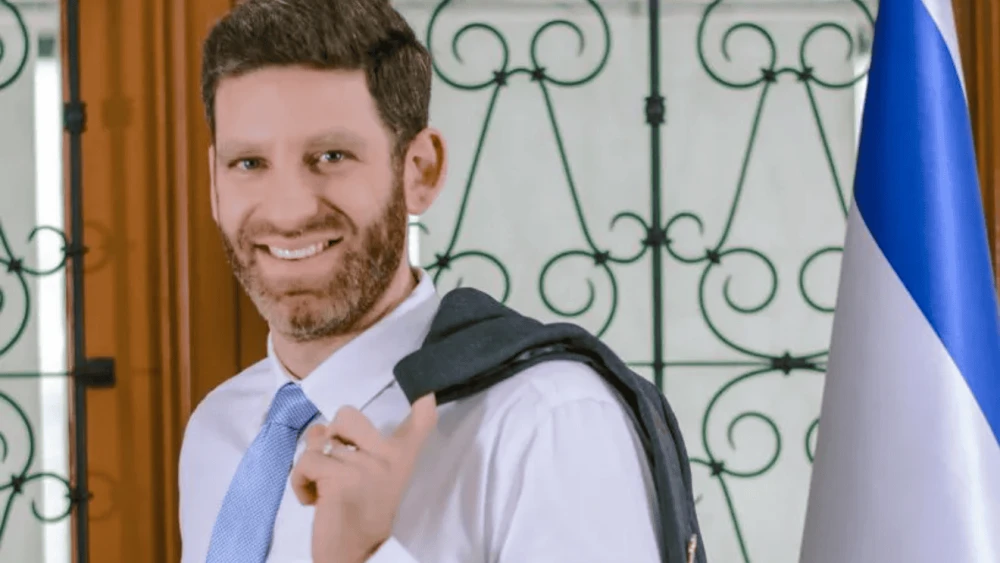
U.S. State Department Deputy Spokesperson Tommy Pigott said South Africa’s expulsion of Israel’s senior diplomat prioritized political grievances over the country’s national interests and its citizens’ well-being.
In a post on X on Wednesday, Pigott called Pretoria’s move “another example of its poor foreign policy choices. Expelling a diplomat for calling out the African National Congress party’s ties to Hamas and other antisemitic radicals prioritizes grievance politics over the good of South Africa and its citizens.”
South Africa’s recent decision to expel Israel’s top diplomat is another example of its poor foreign policy choices. Expelling a diplomat for calling out the African National Congress party’s ties to Hamas and other antisemitic radicals prioritizes grievance politics over the…
— Tommy Pigott (@StateDeputySpox) February 3, 2026
South Africa declared Israel’s chargé d’affaires, Ariel Seidman, persona non grata on Jan. 30 and ordered him to leave the country within 72 hours, according to a statement from the Department of International Relations and Cooperation (Department of International Relations and Cooperation, DIRCO).
South African officials said the decision was based on what they described as “violations of diplomatic norms,” including the alleged use of official Israeli platforms to criticize South African leadership and a failure to notify authorities of visits by senior Israeli officials.
In response, Israel’s Foreign Ministry designated South Africa’s top diplomat in Israel, Shaun Edward Byneveldt, persona non grata, ordering him to leave the country within 72 hours. The ministry said that “additional steps will be considered in due course.”
The diplomatic exchange further strains relations between Jerusalem and Pretoria, which have deteriorated sharply since the Hamas-led terrorist attacks on Israel on Oct. 7, 2023. Both countries recalled their ambassadors in the weeks that followed.
South Africa has been a leading critic of Israel’s military campaign against Hamas in the Gaza Strip and has pursued legal action against Israel at the International Court of Justice and the International Criminal Court, both based in The Hague.
The United States has strongly opposed South Africa’s genocide case against Israel at the ICJ. President Donald Trump last year froze most U.S. aid to South Africa, citing Pretoria’s positions toward Washington, including its ties with Russia and Iran and its legal campaign against Israel.
Incoming U.S. Ambassador to South Africa Leo Brent Bozell has said that defending American policy on Israel will be a top priority when he assumes his post later this year.



