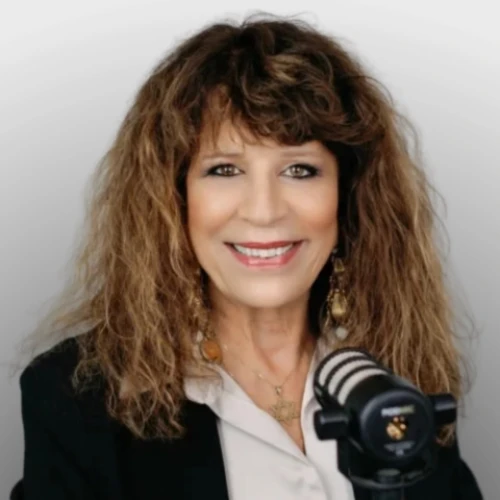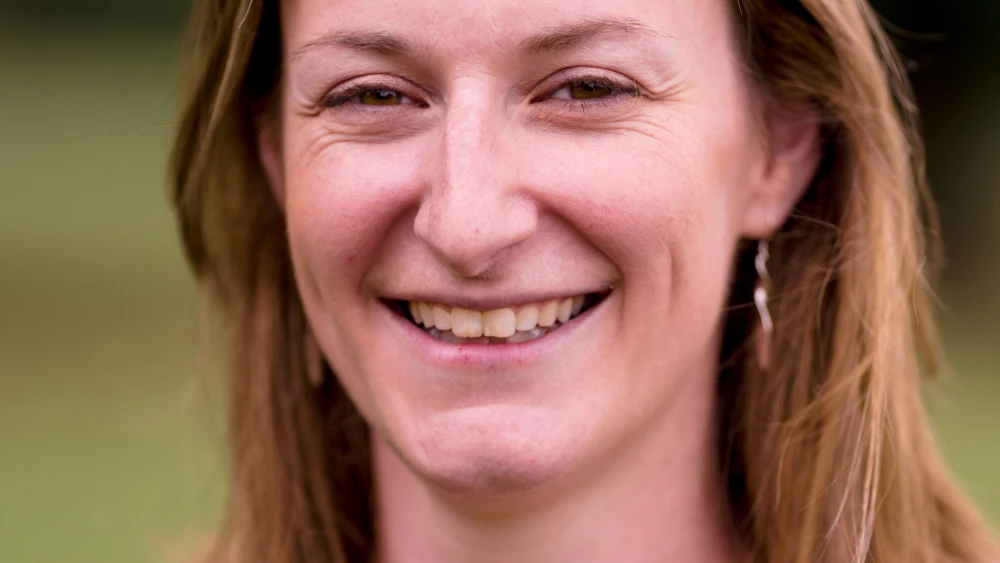
While it’s too early to tell how Israel’s looming lockdown will impact wide swaths of society with regards to developing PTSD, many already have the tools in place to grapple with the restrictions, Dr. Talya Greene, Senior Lecturer at the Department of Community Mental Health at University of Haifa, said.
“Israel is a very community-focused country. People value social support and being together. While for many not being able to get together in large groups will be the hardest thing about the lockdown, the values of community and social support will still be protective. Focusing on this sense of community will help,” said Dr. Greene.
However, not all are fortunate enough to have a strong support system and, thus, may be susceptible to developing PTSD, depression, or anxiety symptoms in the coming weeks.
Dr. Greene went on to explain that those vulnerable populations include frontline workers, like healthcare professionals, who are directly at risk from COVID; survivors of COVID who already suffered from being hospitalized; people who have been bereaved during this time - both by coronavirus, but also other illnesses; those who already have a history of depression or PTSD and those who live in unsafe living conditions or are subject to adverse poverty.
“What we do know from our experience in Israel is how important it is to look out for each other and make sure that people don’t feel left behind or forgotten about. We also know that when multiple types of traumas and stressors accumulate then people will find it harder to stay resilient,” Dr. Greene said, adding the prediction is based on previous data and research of her own.
While most are likely to experience a wide range of emotions as they adjust to the ‘new normal,’ she cautions that individuals should look out for those who are becoming increasingly distressed.
“They may be cutting themselves off from their loved ones, or not looking after themselves properly, feeling on edge all the time, or having unwanted memories of difficult experiences pop back into their mind involuntarily. If this goes on and doesn’t seem to be getting better, and people are worried about themselves or someone they love, then they can speak to their family doctor, call the NATAL (Israel Trauma and Resiliency Center) helpline, or reach out to a friend or colleague. People should know that there is help available, and that it can make a real difference,” she explained.
As we head into the Jewish High Holidays, Dr. Greene also offered advice to those struggling during this difficult time. She suggested individuals seek out social support from others in their community and maintain frequent contact with loved ones; help those who are less fortunate because doing so will make people feel less powerless in this challenging time; staying active by going on walks and runs that would adhere to government restrictions; stick to a routine that involves healthy eating, waking up at a reasonable hour and getting dressed as if it was a regular work day; and, finally, not being so plugged into the 24 hour news-cycle.
For parents coping with a lockdown with children at home the holiday spirit can still be kept alive. “For children – Even if they can’t celebrate with the people that they normally do, the holidays can still be a special time this year. Create a sense of purpose for the kids, involve them in your planning, and engage in positive activities with them - bake honey cakes, decorate the sukkah, have family movie nights. It is important to let children express their concerns and talk with them about things that they can do that will make them feel better,” she said.