


Hillel Fuld is a technology expert turned warrior for Israel.
 “We will do everything, without ego, to form a Zionist government of the alliance of those who serve,” Naftali Bennett told supporters at his party headquarters in Tel Aviv.
 Belgrade police killed the minor, who was armed with two knives and was tied to the Islamic State, the Serbian Interior Ministry said.
 Israel’s longest-serving prime minister said that the Knesset must form “a strong national right-wing government.”
 The initiative comes amid burgeoning ties among the eastern Mediterranean allies who have united to push back against contemporary regional threats.
 “I’m scared of what’s going to happen now,” Miri Bar-Halpern, a Jewish psychology lecturer at Harvard Medical School, told JNS. “I can already predict the backlash.”
 Internal communications reveal that APA leaders dropped terrorism language after Oct. 7 and resisted Jewish psychologists’ requests for recognition, according to a report from the House Committee on Education and the Workforce.
 The Democratic governor led the GOP executive of Nassau County, 65% to 26%, among likely voters in New York City.
 The North American Values Institute told JNS that “it’s heartening to see school leaders stepping up to hold teachers accountable.”
-
Belgrade police killed the minor, who was armed with two knives and was tied to the Islamic State, the Serbian Interior Ministry said.
The initiative comes amid burgeoning ties among the eastern Mediterranean allies who have united to push back against contemporary regional threats.
 “You meet people who think Netanyahu has been an extraordinary wartime leader, something no American I know would dare speak out loud, but still want him gone,” Reuven Fenton told JNS. “You meet others, who hold him responsible for Oct. 7 but don’t see a credible alternative.”
 “You are undermining the credibility of the United Nations and exploiting its emblem to spread anti-Israel propaganda,” the Israeli envoy told the U.N. special rapporteur.
 The U.S. president’s backing may influence more voters than conventional analysis assumes.
 A central message of the prime minister’s campaign is that the “change camp” can’t win without the support of Arab parties.
 Netanyahu’s Likud remains Israel’s largest party, the opposition lacks a clear path to power, and an enlarged Arab bloc complicates coalition arithmetic. With Trump backing Netanyahu and Iran still on the agenda, another election could carry high strategic costs.
 The root of Cairo’s vulnerability is fundamentally economic.
 Contrary to Netanyahu’s detractors, opposition to forming a government that includes Arab anti-Zionist parties isn’t a question of racism but of rational national security concerns.
 What happened in the Israeli election was the democratic version of Oct. 7.
 What has happened inside the White House that “destroying and changing the regime in Tehran” remains taboo?
 Their communities and institutions need to be able to thrive like other citizens.
 “Think Twice” with Jonathan Tobin and guest Ruthie Blum, Ep. 244
 Talk of “shared responsibility” with the Jewish state distracts from the real threat to U.S. Jews from leftists who are motivated by Jew-hatred, not Netanyahu and his allies.
 A thousand people reportedly attended the Shamash Museum’s opening day.
 The most consequential assault on a society’s principles might wear those principles as its uniform.
 One of the items, a richly illuminated holiday prayer book, was created by 15th-century artist Joel ben Simeon.
 The suspect faces assault, menacing, aggravated harassment and weapons charges, an NYPD spokesperson told JNS.
 Professor and author Gad Saad criticized the Jewish entertainer’s endorsement, calling him a “degenerate, clueless, self-loathing imbecile.”
 “You’ve got the Republican Party that is obviously trending in a dangerous direction and you’ve got the Democratic Party that is trending in a dangerous direction,” a Democratic consultant and strategist told JNS.
 “I never thought that in America, in the 21st century, a kid would experience something that I experienced in the Soviet Union in the ’80s,” Michael Novakhov told JNS.
 “Most teachers would not want to touch this with a 10-foot pole, certainly not at the middle school level,” Alisa Berger of the Harvard University Graduate School of Education told JNS.
 Islamist and Palestinian-nationalist parties test opposition’s red lines ahead of the Oct. 27 election.
 The Majdal Shams mother has become an outspoken advocate for resilience and unity since losing her 11-year-old daughter, Alma.
 Hendel and Zelekha pair military-service reform with economic overhaul.
 Remembrance must be more than a ceremony; it must be an act of moral resistance.
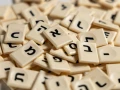 Language can serve as a gateway to exploring who we are.
 It’s ludicrous to name an alcoholic beverage to honor a people who are 99% Muslim.
 Israel’s embassy in Zagreb thanked the government for condemning the incident, which preceded a local team’s match against the Dutch Ajax team.

-
“We will do everything, without ego, to form a Zionist government of the alliance of those who serve,” Naftali Bennett told supporters at his party headquarters in Tel Aviv.
Belgrade police killed the minor, who was armed with two knives and was tied to the Islamic State, the Serbian Interior Ministry said.
Israel’s longest-serving prime minister said that the Knesset must form “a strong national right-wing government.”
The initiative comes amid burgeoning ties among the eastern Mediterranean allies who have united to push back against contemporary regional threats.
-
“I’m scared of what’s going to happen now,” Miri Bar-Halpern, a Jewish psychology lecturer at Harvard Medical School, told JNS. “I can already predict the backlash.”
Internal communications reveal that APA leaders dropped terrorism language after Oct. 7 and resisted Jewish psychologists’ requests for recognition, according to a report from the House Committee on Education and the Workforce.
The Democratic governor led the GOP executive of Nassau County, 65% to 26%, among likely voters in New York City.
The North American Values Institute told JNS that “it’s heartening to see school leaders stepping up to hold teachers accountable.”
-
Belgrade police killed the minor, who was armed with two knives and was tied to the Islamic State, the Serbian Interior Ministry said.
The initiative comes amid burgeoning ties among the eastern Mediterranean allies who have united to push back against contemporary regional threats.
“You meet people who think Netanyahu has been an extraordinary wartime leader, something no American I know would dare speak out loud, but still want him gone,” Reuven Fenton told JNS. “You meet others, who hold him responsible for Oct. 7 but don’t see a credible alternative.”
“You are undermining the credibility of the United Nations and exploiting its emblem to spread anti-Israel propaganda,” the Israeli envoy told the U.N. special rapporteur.
-
The U.S. president’s backing may influence more voters than conventional analysis assumes.
A central message of the prime minister’s campaign is that the “change camp” can’t win without the support of Arab parties.
Netanyahu’s Likud remains Israel’s largest party, the opposition lacks a clear path to power, and an enlarged Arab bloc complicates coalition arithmetic. With Trump backing Netanyahu and Iran still on the agenda, another election could carry high strategic costs.
The root of Cairo’s vulnerability is fundamentally economic.
-
Contrary to Netanyahu’s detractors, opposition to forming a government that includes Arab anti-Zionist parties isn’t a question of racism but of rational national security concerns.
What happened in the Israeli election was the democratic version of Oct. 7.
What has happened inside the White House that “destroying and changing the regime in Tehran” remains taboo?
Their communities and institutions need to be able to thrive like other citizens.
-
“Think Twice” with Jonathan Tobin and guest Ruthie Blum, Ep. 244
-
Talk of “shared responsibility” with the Jewish state distracts from the real threat to U.S. Jews from leftists who are motivated by Jew-hatred, not Netanyahu and his allies.
A thousand people reportedly attended the Shamash Museum’s opening day.
The most consequential assault on a society’s principles might wear those principles as its uniform.
One of the items, a richly illuminated holiday prayer book, was created by 15th-century artist Joel ben Simeon.
-
The suspect faces assault, menacing, aggravated harassment and weapons charges, an NYPD spokesperson told JNS.
Professor and author Gad Saad criticized the Jewish entertainer’s endorsement, calling him a “degenerate, clueless, self-loathing imbecile.”
“You’ve got the Republican Party that is obviously trending in a dangerous direction and you’ve got the Democratic Party that is trending in a dangerous direction,” a Democratic consultant and strategist told JNS.
“I never thought that in America, in the 21st century, a kid would experience something that I experienced in the Soviet Union in the ’80s,” Michael Novakhov told JNS.
-
“Most teachers would not want to touch this with a 10-foot pole, certainly not at the middle school level,” Alisa Berger of the Harvard University Graduate School of Education told JNS.
Islamist and Palestinian-nationalist parties test opposition’s red lines ahead of the Oct. 27 election.
The Majdal Shams mother has become an outspoken advocate for resilience and unity since losing her 11-year-old daughter, Alma.
Hendel and Zelekha pair military-service reform with economic overhaul.
-
Remembrance must be more than a ceremony; it must be an act of moral resistance.
Language can serve as a gateway to exploring who we are.
It’s ludicrous to name an alcoholic beverage to honor a people who are 99% Muslim.
Israel’s embassy in Zagreb thanked the government for condemning the incident, which preceded a local team’s match against the Dutch Ajax team.


