
On Friday, a 10-day ceasefire between Israel and Lebanon went into effect.
The truce comes after over 45 days of continuous fighting, which began in early March. In response to a joint U.S.-Israeli attack on Iran that began on Feb. 28, Hezbollah fired heavy missile barrages into northern Israel, ending more than a year of quiet on the northern border and prompting a systematic Israeli ground and air campaign into Southern Lebanon. Prime Minister Benjamin Netanyahu summarized the offensive’s intent, saying the military sought to “severely damage the Iranian terror regime and remove existential threats to Israel.”
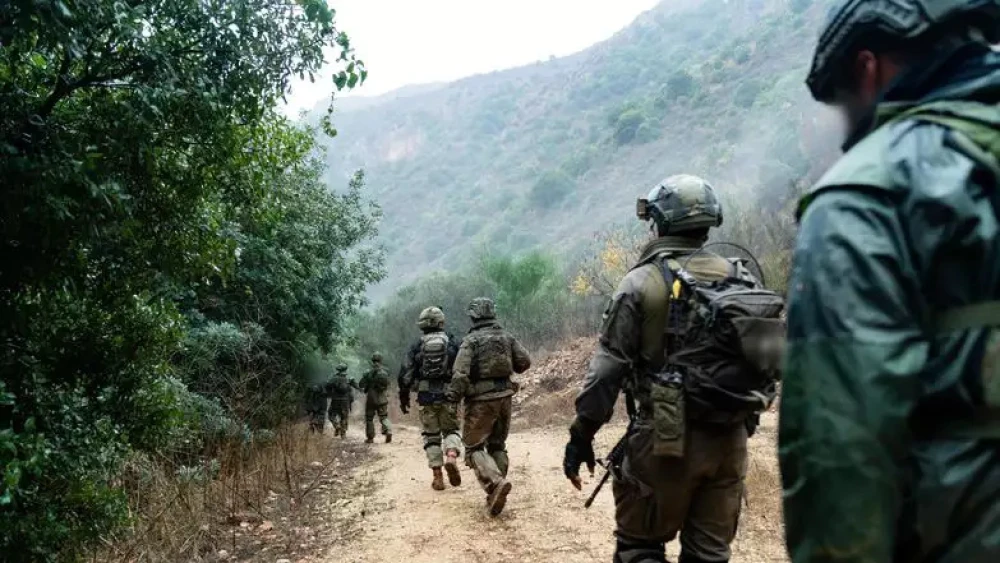
By the time the ceasefire took effect, the IDF had established a continuous 10-kilometer buffer zone inside Lebanon. Defense Minister Israel Katz said that “the security zone has been cleared of terrorists and weapons and is devoid of residents, and it will continue to be cleared of terror infrastructure.”
Despite the relatively short period of fighting, Hezbollah suffered heavy losses. Israeli forces advanced deep into Lebanon, capturing and destroying terrorist assets throughout the southern region. Meanwhile, the Israeli Air Force carried out thousands of strikes across Southern Lebanon, Beirut and the Bekaa valley, targeting personnel and infrastructure. On April 8, the IDF launched a concentrated wave of strikes that destroyed more than 100 command centers. Following these strikes, Katz detailed that the military killed “over 200 [Hezbollah] terrorists yesterday, bringing the number of eliminated [Hezbollah operatives] in this campaign to over 1,400.”
The impressive military achievements came at a significant cost in blood and treasure. Israel sustained 14 military and 2 civilian fatalities, and 411 soldiers were wounded, while 60,000-80,000 residents from northern Israel remained internally displaced.
The source of the ceasefire
Against the backdrop of these steep domestic sacrifices, the Israeli home front girded itself for prolonged conflict in Lebanon to finally remove the ever-present threat to the northern communities.
“The north deserves a decisive outcome that will create real security,” Asaf Langleben, head of the Upper Galilee Regional Council, said during a press briefing in early March. This determined stance from the home front made an imminent ceasefire seem deeply unlikely.
However, the calculus rapidly changed following a sudden ceasefire between Israel, the US and Iran that was unilaterally declared by President Trump in early April “to create space for a diplomatic solution.” Initially, the United States and Israel insisted that the Lebanese theater was distinct from negotiations with Iran. The U.S. 15-point basis for negotiations focused on the Strait of Hormuz and nuclear concessions. Trump explicitly called the Lebanon campaign “a separate skirmish,” and Israel explicitly ruled out a Lebanese ceasefire.
Conversely, Iranian negotiators in Islamabad submitted a 10-point plan conditioning regional de-escalation on an immediate halt to IDF operations in Lebanon. Pakistani mediators supported this linkage and actually unilaterally declared a ceasefire without Israeli agreement.
As talks began to fall apart, Washington quietly upped its pressure, urging Israel to reduce military operations. “There’s going to scale back,” President Trump said of Israeli operations in Lebanon in mid-April. This pressure quickly escalated and led to direct ambassador-level negotiations between Israel and Lebanon in Washington on April 14. Secretary of State Marco Rubio tempered expectations, saying, “This is a process, not an event. This is more than just one day. This will take time, but we believe it is worth this endeavor, and it’s a historic gathering that we hope to build on.”
This process was abruptly preempted on April 16 when Trump announced the agreement on social media, declaring, “These two Leaders have agreed that to achieve PEACE between their Countries, they will formally begin a 10 Day CEASEFIRE at 5 P.M. EST.” This declaration happened mere hours after Lebanese President Joseph Aoun publicly refused to even hold a phone call with Netanyahu.
The sudden declaration blindsided the Israeli government. Netanyahu bypassed a Cabinet vote, holding a brief telephone meeting to inform ministers of the U.S.-requested pause. Multiple Cabinet members were furious after learning of the binding truce through the media.
Despite messaging from Jerusalem, several of Trump’s posts on Friday strongly hinted that the Lebanon ceasefire was extracted through political pressure and was not the result of Israel’s desire to give diplomacy a chance. Israel “will not be bombing Lebanon any longer,” Trump wrote on Truth Social. “They are PROHIBITED from doing so by the USA. Enough is enough,” he added.
Professor Hillel Frisch, an expert on the Arab world at the Jerusalem Institute for Strategy and Security, explained that concerns of public relations are the actual primary driver behind the diplomatic effort. “The U.S. and Israel are under pressure to show that they’re not just war-making, and that attempts at negotiations, which will come to naught, are happening,” he told JNS.
The ceasefire framework
The text of the ceasefire agreement, released by the U.S. State Department Press Office, establishes a 10-day cessation of hostilities to facilitate direct negotiations for a permanent peace settlement between Israel and Lebanon.
According to the State Department memorandum of understanding, this initial truce serves as a “gesture of goodwill by the Government of Israel,” intended to create the conditions necessary for “full recognition of each other’s sovereignty and territorial integrity.”
The broader objective of the framework is to resolve long-standing disputes, including the “demarcation of the international land boundary,” with the ultimate goal of achieving a comprehensive agreement that ensures lasting security.
A central pillar of the security framework focuses on restoring and centralizing Lebanese state authority. The State Department document stipulates that “the only forces authorized to bear arms in Lebanon will be the Lebanese Armed Forces” alongside official state security organs such as the internal security forces and municipal police. Recognizing the significant threat to regional stability, the agreement mandates that the Lebanese government take “meaningful steps” to prevent armed groups from conducting hostile operations.
The text explicitly links the success of the truce to this condition, noting that the 10 days may only be extended by mutual agreement if Lebanon “effectively demonstrates its ability to assert its sovereignty.” The document reinforces this mandate by stating that “no other country or group has claim to be the guarantor of Lebanon’s sovereignty.”
Militarily, the framework dictates a halt to cross-border engagements while maintaining strict defensive contingencies. The memorandum outlines that Israel will not carry out “any offensive military operations against Lebanese targets, including civilian, military, and other state targets” across land, air, and sea.
However, the State Department text includes an exception, ensuring that Israel “shall preserve its right to take all necessary measures in self-defense, at any time, against planned, imminent, or ongoing attacks.” In accordance with this exception, the IDF carried out airstrikes against Hezbollah targets in Southern Lebanon on Saturday.
Reactions to the ceasefire
Reactions to the framework have highlighted a stark operational and political divide. Trump heralded the diplomatic breakthrough and congratulated himself on the milestone. The president declared, “It has been my Honor to solve 9 Wars across the World, and this will be my 10th, so let’s, GET IT DONE!”
Lebanese Prime Minister Nawaf Salam welcomed the pause, declaring, “As I congratulate all Lebanese on this achievement, I pray for the martyrs who fell, and affirm my solidarity with their families, with the wounded, and with the citizens who were forced to flee their cities and villages.”
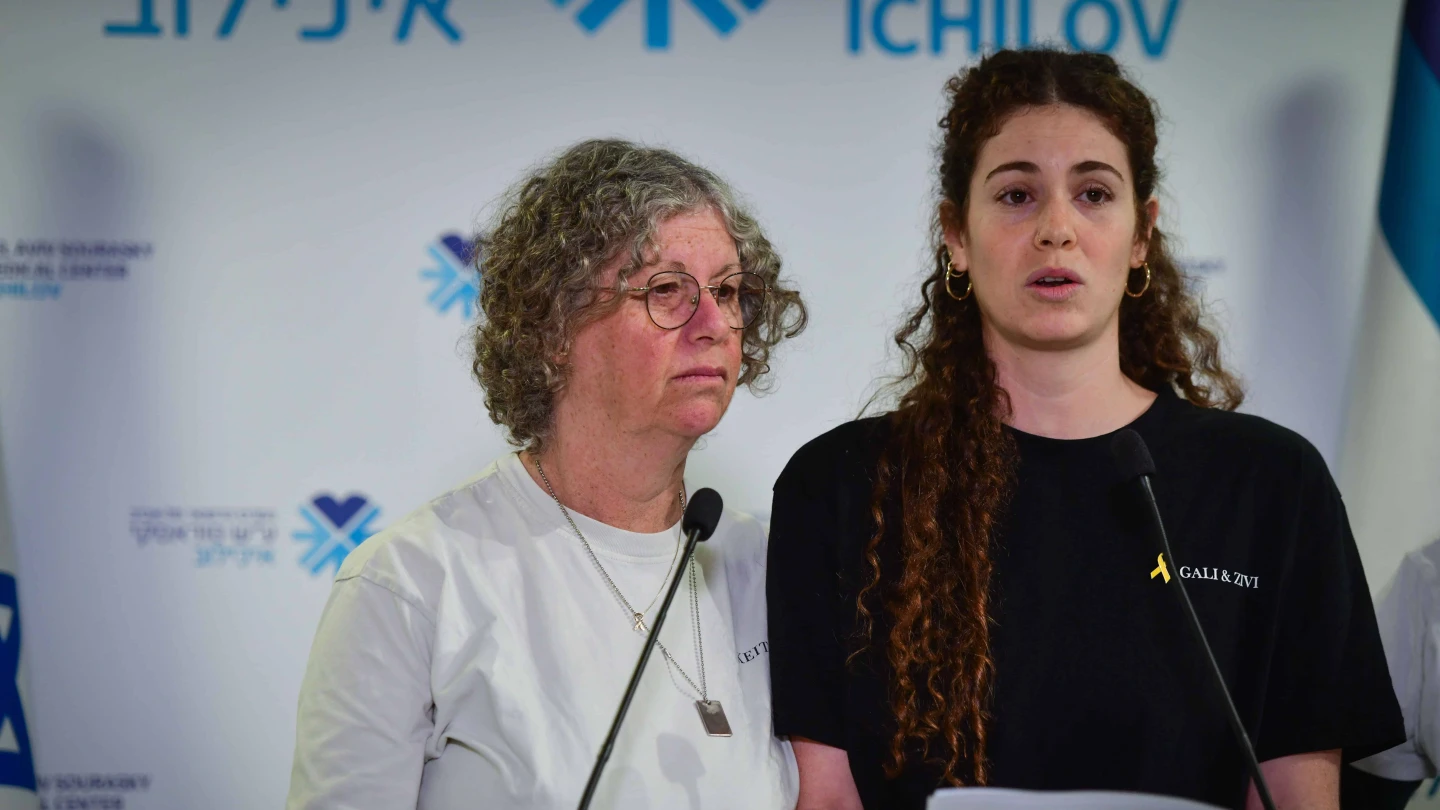
In Israel, the agreement has faced fierce backlash from northern municipal leaders who view the sudden halt as an abandonment of their security.
Moshe Davidovich, head of the Mateh Asher Regional Council, said that agreements “signed in Washington” are “paid in blood, in destroyed homes and in dismantled communities here,” calling the ceasefire a “sentence to wait for the next massacre.”
Dan Klosner, a resident of Kiryat Shmona, told JNS that he felt betrayed. “I have my kids in the bomb shelter for weeks, and you want to believe that all this suffering is actually for something, but whenever we get close to actually breaking Hezbollah, we always grab defeat out of the jaws of victory,” he explained.
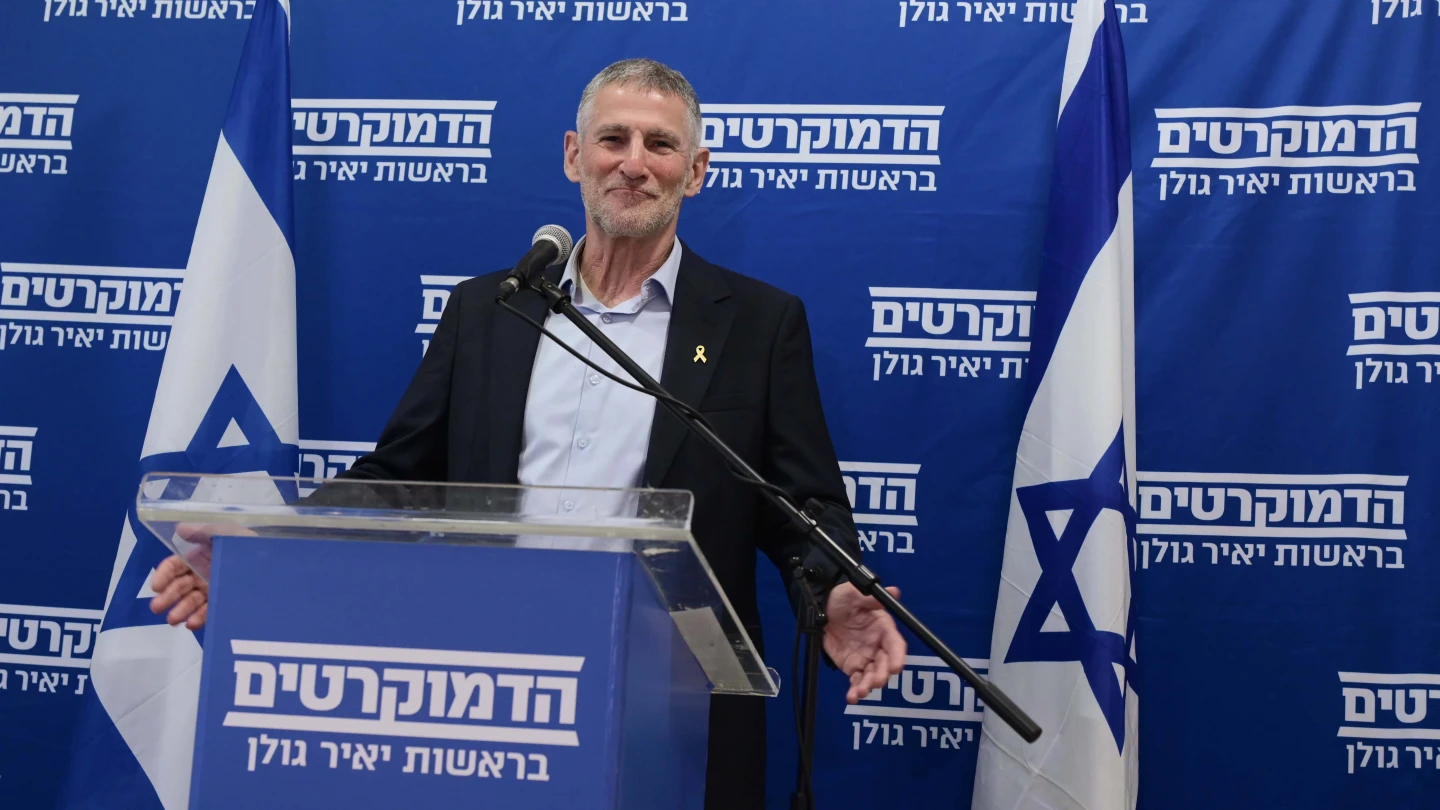
Attempting to manage the domestic fallout, Netanyahu caveated the security pause, insisting, “We will remain in a 10-kilometer security zone, which will allow us to prevent infiltration into communities and anti-tank missile fire. We are remaining in Lebanon in an expanded security zone. We are not leaving.”
A history of Lebanese ceasefires
Much of the pessimism in Israel regarding the ceasefire is underwritten by a long history of failed deals with Lebanon, which did not succeed in distancing the threat from the northern communities.
The April 2026 framework relies on structural and diplomatic mechanisms similar to those that caused the Nov. 27, 2024, ceasefire to collapse. The 2024 agreement also required Hezbollah to withdraw its fighters and military infrastructure north of the Litani River, depending on the Lebanese government and the Lebanese Armed Forces for enforcement.
However, the arrangement failed as Hezbollah was never disarmed or removed from the southern border. This failure was materially proven by the extensive network of fighters, weapons and terror infrastructure the IDF subsequently encountered and systematically dismantled in Southern Lebanon during the recent campaign.
Moreover, the failure of the 2024 ceasefire clearly indicated that the current Lebanese government is an incompetent and a dishonest peace partner. The Lebanese government consistently misrepresented its progress in disarming Hezbollah through 2025 and early 2026. Beirut falsely claimed success in disarming the southern sector, ultimately failing its own operational deadline of January 2026.
Furthermore, when President Aoun proposed a four-point plan on March 9, 2026, explicitly calling for Hezbollah’s disarmament, the government acknowledged it lacked the military capacity to enforce it. Hezbollah explicitly rejects the state’s authority to secure the terror group’s weapons.
Dismissing the government’s attempts to broker disarmament, Hezbollah Parliament member Hassan Fadlallah declared, “The Lebanese government is unable, incapable and unauthorized constitutionally and nationally for the Lebanese leadership to give such a dangerous concession that threatens Lebanon’s future.” Reinforcing this stance, senior Hezbollah political official Mahmoud Qmati warned that nationwide disarmament efforts could lead to “instability, chaos, and perhaps even civil war.”
Frisch explained that the threat of civil war was the primary cause of the Lebanese government’s impotence. “When push comes to shove, the Lebanese government will not act, because it means civil war,” he said. “It never worked, and it’s not going to work, and they’re not going to build up military capabilities anywhere near what Hezbollah has.”
The price of the ceasefire
The 10-day diplomatic pause physically damages the Israeli war effort by squandering the operational momentum achieved over 46 days of intense combat. Specifically, the IDF had surrounded and was actively operating inside the Hezbollah stronghold of Bint Jbeil, eliminating over 100 operatives in close-quarters combat just before the truce took effect. The ceasefire abruptly halts this advance, providing Hezbollah the critical breathing room required to reorganize its devastated command structure, reestablish communications and prepare for the resumption of hostilities.
The immediate operational damage is already materializing, as tens of thousands of displaced Lebanese civilians have crossed back into the south, making a sudden resumption of hostilities more complicated.
Furthermore, the ceasefire is an invaluable psychological win for Hezbollah and Iran. Hezbollah and Iranian officials claimed the agreement as a strategic victory for Tehran’s negotiation strategy, undermining the U.S. narrative of an isolated bilateral process for Lebanon.
Hezbollah Parliament member Hassan Fadlallah attributed the halt directly to Iranian leverage on the U.S., confirming that “Hezbollah’s leadership was formally informed around 4 a.m. from the Iranian ambassador that there will be a ceasefire at night.” Fadlallah emphasized that the group views the pause as a victory mandated by its patron, asserting it will rely on Iran to force Israel down the “pathway that was imposed by the Islamabad talks.”
Israeli soldiers serving in Lebanon confirmed that the ceasefire has a direct negative impact on future combat operations. “Every day that we are not pressing Hezbollah is another day they can rest, another bullet in their magazine, another explosive on the roads we have to walk,” Lt. A., a combat officer serving in Lebanon, told JNS. “You can not tell a soldier to go and risk their life and that we are going all the way to victory, and the next day say nevermind, we’re stopping.”