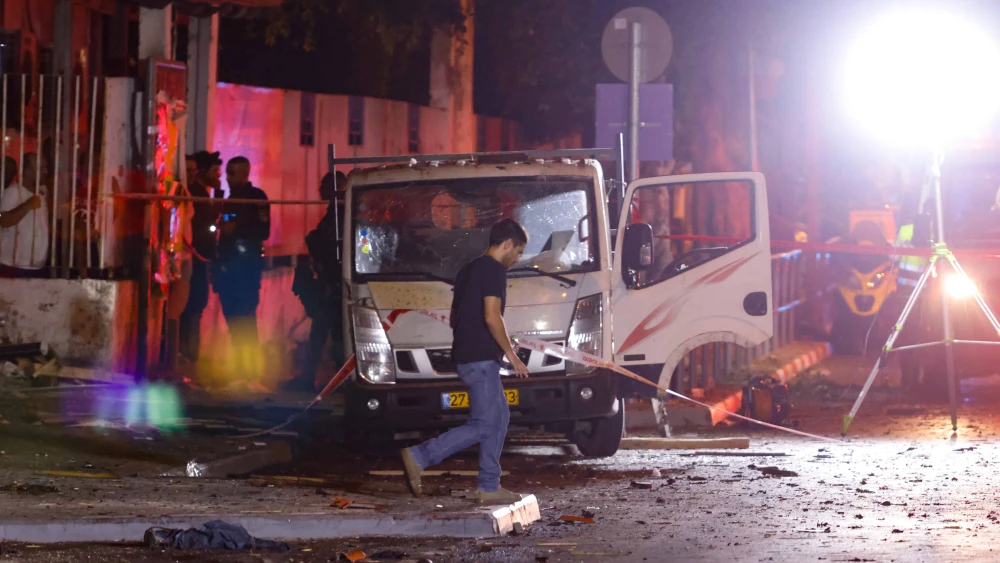

Israeli security agencies are particularly concerned in the wake of the failed suicide bombing in Tel Aviv on Aug. 18, 2024, for which Hamas claimed responsibility together with Palestinian Islamic Jihad.
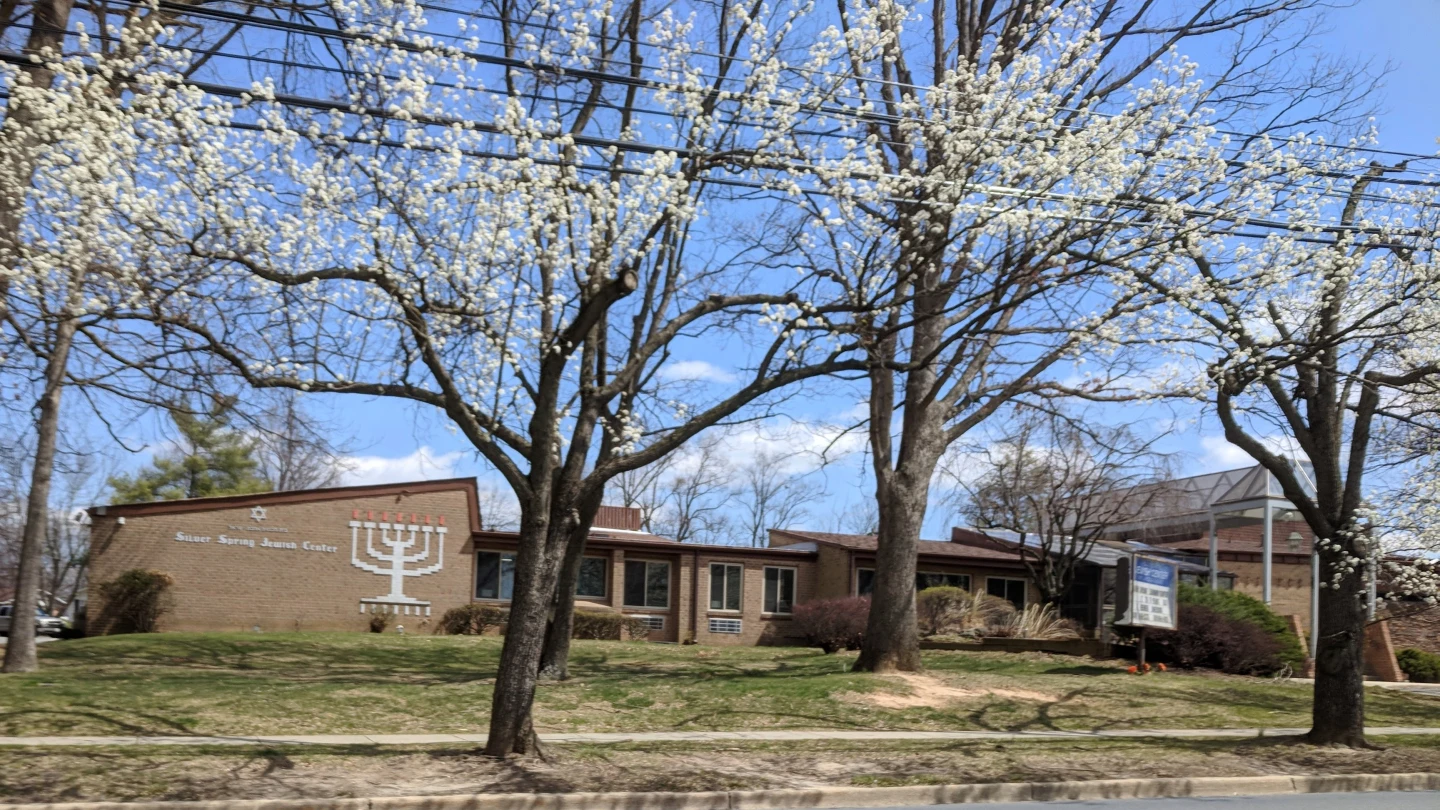
A Hamas terrorist managed to reach Tel Aviv and detonate an 18 pound explosive device near a synagogue. Miraculously, an apparent malfunction caused the bomb to go off prematurely, preventing a potential mass casualty event.
The terrorist, a resident of a village near Nablus, was killed in the explosion. He had no prior security or criminal record.
According to Tel Aviv District Police Commander Peretz Amar, “This was an attack involving a large and significant bomb. Had it not detonated outside, it could have caused catastrophic damage. If the terrorist had entered the synagogue, the outcome could have been a terrible tragedy.”
The police, Israel Security Agency and IDF have launched a comprehensive investigation into the incident, which is currently under a media blackout.
A new Hamas or Islamic Jihad strategy?
The question troubling Israeli security officials is whether Hamas is altering its strategy.
Is Hamas leader Yahya Sinwar planning to reintroduce suicide attacks to demonstrate his leadership?
These tactics were used extensively during the Second Intifada in 2000 and earlier in 1996 to disrupt the Oslo Accords. Traditionally, suicide attacks were not the weapon of Sunni Hamas or Fatah. When Israel expelled hundreds of Hamas members to Lebanon in 1992, they were welcomed by Shi’ite Hezbollah, trained and indoctrinated. Today, the organizations are comrades-in-arms.
Combat today in Gaza
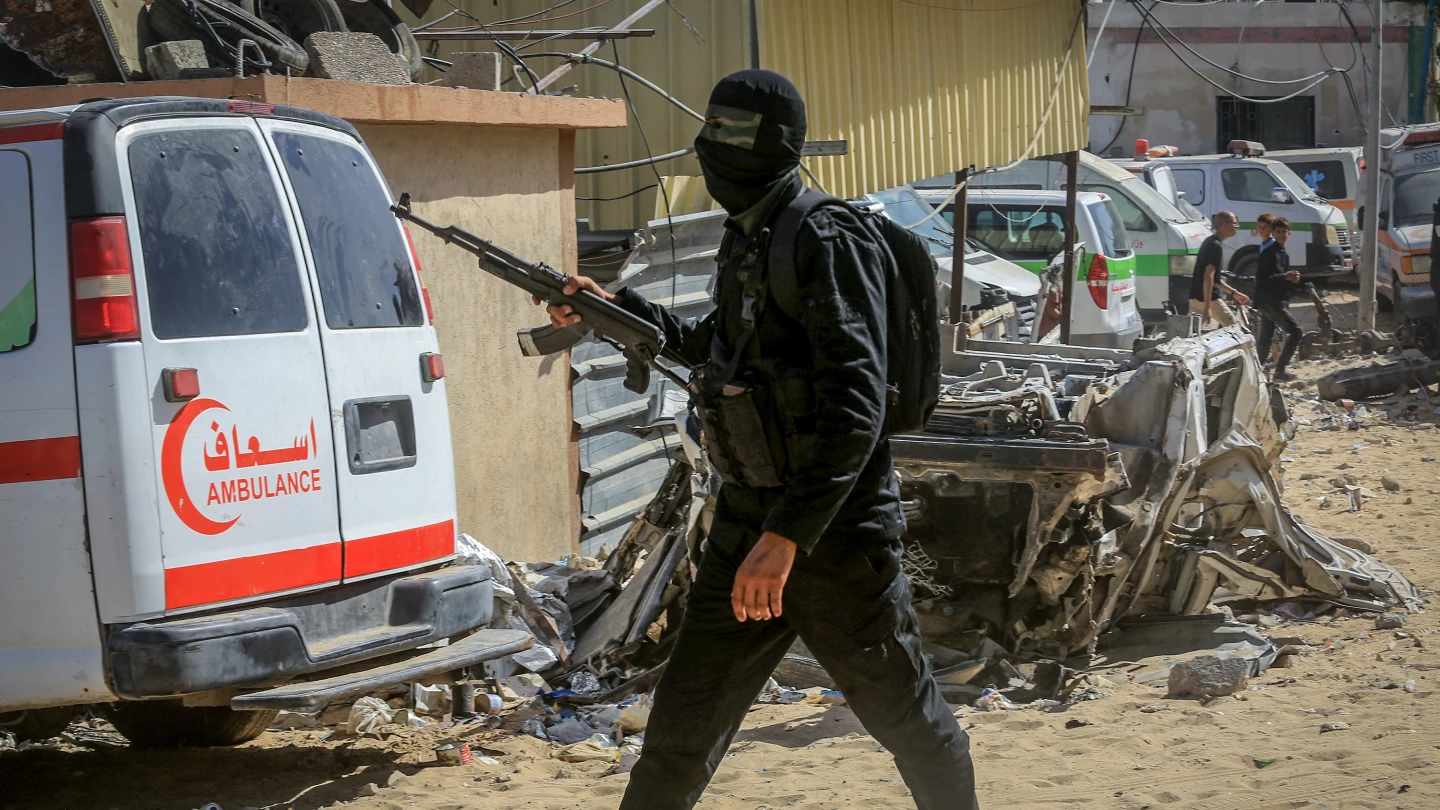
The military wing of Hamas, led by Yahya Sinwar and his brother Muhammad, is reportedly under significant strain due to the IDF’s intensive operations in Gaza, which have decimated much of Hamas’s top military leadership. Sinwar seems eager to open new fronts to alleviate the pressure on Gaza and boost Palestinian morale.
In an official statement, Hamas has declared its intent to renew suicide attacks within Israel, citing Israel’s policies of targeted killings and its treatment of Palestinians.
Despite this declaration, Israeli security officials are evaluating whether Hamas truly intends to reinstate suicide bombings or if this announcement is merely a component of the organization’s propaganda and incitement efforts.
While Israel Security Agency officials have not yet identified a clear trend toward the renewed use of suicide bombers, they have observed an increasing use of explosive devices by terrorist organizations over the past two years.
These devices have been planted on roads in Judea and Samaria, the Galilee and Golan, or dropped on IDF forces.
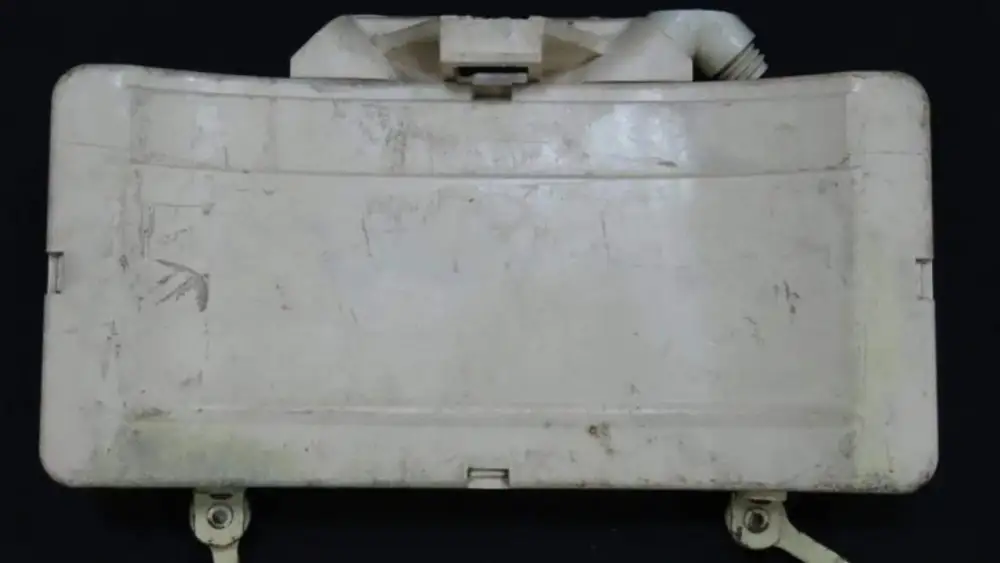
Some explosives are manufactured in northern Samaria, with additional supplies smuggled in quantities from Iran through Syria and Jordan.
The success of ongoing efforts by the IDF and ISA to curb the smuggling has been limited.
The security establishment is particularly concerned about potential copycat attacks, as terrorist organizations are leveraging social media to amplify the Tel Aviv attack and incite further violence.
An additional concern is the leadership of Hamas’s military wing in Judea and Samaria, which is believed to be directed by Zaher al-Jabarin.
Al-Jabarin, who replaced Saleh al-Arouri after his targeted killing by the Israeli Mossad in Beirut earlier this year, is also regarded as the “financial brain” of Hamas.
He was responsible for financing Hamas’s Oct. 7 massacre and is now one of Israel’s top targets. Al-Jabarin resides in Turkey and is reportedly close to Turkish President Recep Tayyip Erdogan.
In response to the Tel Aviv attack, the Israeli police have heightened alertness and vigilance in all public places, particularly in central Israel.
Originally published by the Jerusalem Center for Public Affairs.